Know effects.
Understand risks.
A visual atlas for substances, effects, risks and evidence. Explore educational profiles, interaction concerns and safety-first context.
Educational information only. Not medical advice. Effects and risks vary by individual.

Kava
Traditional Pacific botanical associated with calm and social ease. Liver safety concerns and interaction risks with alcohol and sedatives are key documented cautions.
Key caution
Liver toxicity has been associated with kava use — regulatory advisories exist in some countries
What SubsAtlas does
Six core features — safety-first, evidence-aware, always educational.
Visual Atlas
Educational profiles with visual Body & Mind maps, evidence levels and risk ratings for plants, fungi and compounds.
Compare Mode
Side-by-side educational comparisons. Not a recommendation or use ranking — just clear educational context.
Safety Topics
Interaction concerns, overdose context and risk awareness across substances. Not a use guide.
AI Context
Deterministic AI summaries scoped to educational context. No dosing, sourcing or optimization guidance.
Community Signal
Structured anonymous community patterns, clearly separated from editorial risk and evidence ratings.
Partner Resources
Clearly disclosed education-first partner resources. Books, courses, guides — separated from editorial content.
Start with a question
Specific starting points for educational context and risk awareness.
Explore by intent
Choose your starting point for educational context.
Understand a reported effect
Browse reported patterns across substance categories. Effects are reported context — not promises.
Check interaction concerns
Substances with known interaction risks. Educational context — not a guide to combinations.
Compare two profiles
Side-by-side educational comparison. Not a recommendation or use ranking.
Read community patterns
Anonymous structured community data, clearly separated from editorial risk and evidence ratings.
Safety topics
Risk awareness, interaction concerns and emergency context — not a use guide.
What not to mix with alcohol
Alcohol may increase risk when combined with depressants, opioids, benzodiazepines and other substances.
Opioids and depressants
Combining opioids with depressants may increase sedation, breathing-related risks and overdose concerns.
Stimulants and cardiovascular strain
Stimulants may increase cardiovascular and mental strain, especially with multiple stimulants or underlying risk factors.
When to seek emergency help
General emergency awareness — recognizing signs that require immediate contact with emergency services.
High-risk education profiles
Serious profiles for risk awareness, interaction concerns and evidence context. Not a use guide.
High-risk education
Fentanyl
Fentanyl is extremely potent — a key overdose risk factor is that small quantity differences represent lethal exposure differences. Contamination of other illicit substances with fentanyl is documented globally and dramatically raises overdose risk in those who may not know fentanyl is present.
High-risk education
Heroin
High overdose and dependence risk. Risk increases sharply with opioids, alcohol or other depressants.
High-risk education
Cocaine
High cardiovascular, dependence and mental health risk. Effects and risks vary.
High-risk education
Alprazolam / Xanax
High dependence, sedation and overdose risk, especially with alcohol, opioids or other depressants.
Browse by reported effect
Profiles filtered by reported effect pattern. Individual response varies.
Popular comparisons
Side-by-side educational comparisons. Not a recommendation or use ranking.
Educational guides
Effects, risks, evidence and safety context — not use guides, dosing guides or sourcing guides.
THC vs CBD: effects, risks and evidence
THC is the primary intoxicating compound in cannabis. CBD does not produce intoxication. Their risk profiles, evidence bases and legal contexts differ substantially.
What not to mix with alcohol: interaction awareness
Alcohol is a CNS depressant with well-documented interaction risks across many substance categories. Combinations with opioids, benzodiazepines and GHB are among the most serious documented concerns.
Evidence levels explained: strong, moderate, limited and anecdotal
Evidence level describes the quality, consistency and source type of available information. It is not a safety endorsement and does not indicate that a substance is suitable for use.
Shareable knowledge cards
Premium visual summaries for profiles, comparisons and safety context.
THC vs CBD
Cannabinoid comparison — effects, risk and evidence
THC has psychoactive effects; CBD does not in typical amounts
Know effects. Understand risks.
Amanita is not Psilocybin
Two distinct compound profiles and risk contexts
Amanita contains ibotenic acid and muscimol — not psilocybin
Know effects. Understand risks.
Alcohol + Alprazolam / Xanax
Severe interaction concern
Both are CNS depressants — combined respiratory depression risk is serious
Know effects. Understand risks.
What not to mix with alcohol
Interaction concerns for alcohol combinations
Alcohol with CNS depressants produces additive respiratory depression
Know effects. Understand risks.
Cards are educational summaries. Not recommendations or use guides.
Recently added
Curated educational profiles from the Atlas.

Kratom
Southeast Asian botanical with opioid receptor activity. Significant dependence, withdrawal and interaction risks. Evidence base is limited.
Main caution
Opioid receptor activity — dependence and withdrawal risk analogous in some respects to opioids
Legal: Legal context varies
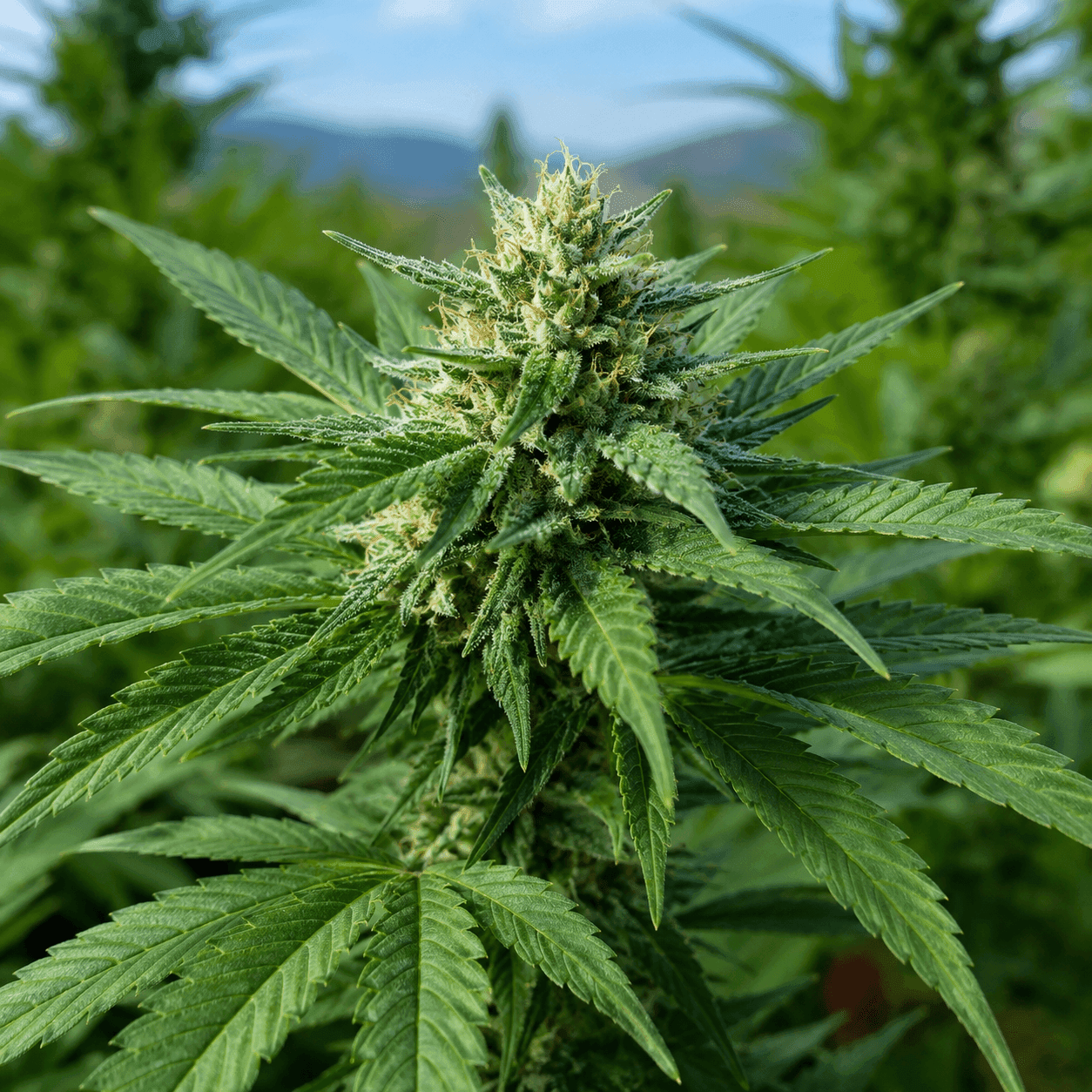
CBD
Non-intoxicating cannabinoid discussed for calm and sleep support. Medication interaction concerns and significant product quality variation are key considerations.
Main caution
Significant drug interaction potential — CBD affects liver enzymes that metabolise many medications
Legal: Legal context varies
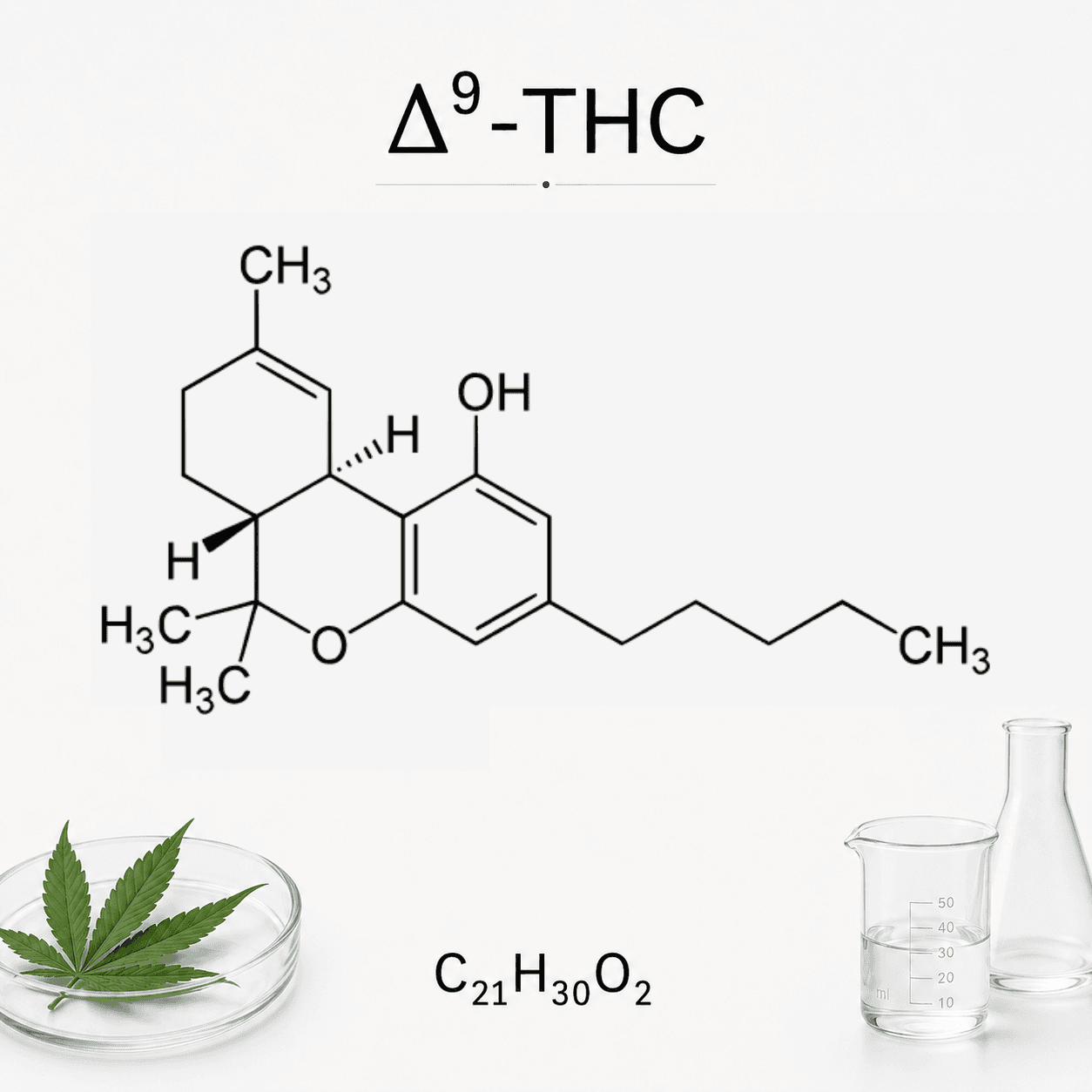
THC
Primary intoxicating cannabinoid in cannabis. Clear impairment risks, dependence potential and adverse mental health outcomes at high-dose or regular use.
Main caution
Impaired memory, attention and psychomotor function — do not drive or operate machinery
Legal: Legal context varies
Education-first partner resources
Clearly disclosed resources separated from editorial risk and evidence content. Books, courses, recovery guides and professional education.
Partner resources may generate commission. Risk ratings and evidence levels remain independent. Disclosure
Why SubsAtlas
Built on safety-first principles, editorial independence and transparent evidence quality.
Evidence-aware
SubsAtlas separates research, traditional use, community patterns and genuine uncertainty — so you always know the quality of the information.
Risk-first
Every profile leads with clear risk levels, interaction concerns and main cautions. Serious profiles are clearly marked as high-risk education.
Community patterns
Anonymous structured reports presented as patterns, not recommendations. Clearly separated from editorial risk and evidence ratings.
AI with guardrails
AI explanations are scoped to educational context, evidence quality and risk awareness — no dosing, sourcing or optimization guidance.
Coming soon
PreviewWeekly Substance Signal
A future email digest with one profile, one comparison, one safety topic and one evidence note. Educational context in your inbox — not a use guide.
Join the early supporter list.
Get updates as SubsAtlas grows from a curated visual atlas into an AI-assisted safety and evidence platform.
Educational information only. Not medical advice. Effects, risks and responses vary by individual.