THC vs CBD: effects, risks and evidence
THC and CBD are both found in the cannabis plant but have distinct pharmacological profiles, risk levels and legal statuses. This guide explains the educational context for each compound — effects, evidence quality and key risk differences.
Educational context
This guide provides educational context only. It is not a use guide, medical advice, legal advice, dosing guidance or sourcing guidance.
Pharmacology
What THC and CBD are
Delta-9-tetrahydrocannabinol (THC) is the primary psychoactive compound in cannabis, responsible for euphoria, altered perception and impairment. Cannabidiol (CBD) is a non-intoxicating compound also found in cannabis and hemp. Both interact with the endocannabinoid system but through distinct mechanisms and with very different effect profiles.
CBD does not produce the euphoria or impairment associated with THC. They are different compounds with different risk profiles.
Reported effects
Reported effect differences
THC is associated with euphoria, relaxation, altered perception, appetite changes and impaired memory and coordination. CBD is associated with reported calm and mild relaxation in some users. Individual responses vary considerably for both compounds. Effects depend on product, context, individual sensitivity and other factors.
- THC produces intoxication. CBD does not.
- THC impairs coordination, memory and judgment. CBD is not associated with these effects.
- Both produce some sedation at higher amounts, though more pronounced with THC.
- CBD has limited evidence for most commonly cited uses outside specific epilepsy conditions.
Risk context
Risk profiles compared
THC carries elevated risk for anxiety, panic reactions and adverse mental health outcomes — particularly at high doses or with high-potency products. Dependence develops in a proportion of regular users. CBD carries lower acute risk but has significant drug interaction potential through liver enzyme inhibition, relevant for those taking medications. Product quality in the consumer CBD market varies widely.
Low risk does not mean no risk. Both compounds carry documented risks and interaction concerns. SubsAtlas does not characterise any product as safe.
Evidence
Evidence quality
Evidence for THC's psychoactive and impairment effects is well-established. Evidence for specific therapeutic applications of THC is more limited outside clinical contexts. CBD has strong evidence for specific epilepsy syndromes (it is approved as a pharmaceutical for this). For other widely discussed applications — anxiety, sleep, pain — the evidence base is preliminary or mixed. Evidence quality should always be considered when evaluating claims about either compound.
Legal context
Legal context
Legal status for THC, CBD and cannabis varies significantly by country, state and local regulation. THC is controlled in most jurisdictions. CBD legal status often depends on THC content thresholds in the product. Legal context changes frequently and differs between cannabis as a plant and specific extracted compounds. This guide is not legal advice.
Verify current legal status in your jurisdiction through official government sources. Legal context on SubsAtlas is educational only — not legal advice.
Related profiles
Substance profiles relevant to this guide. For educational context and risk awareness.
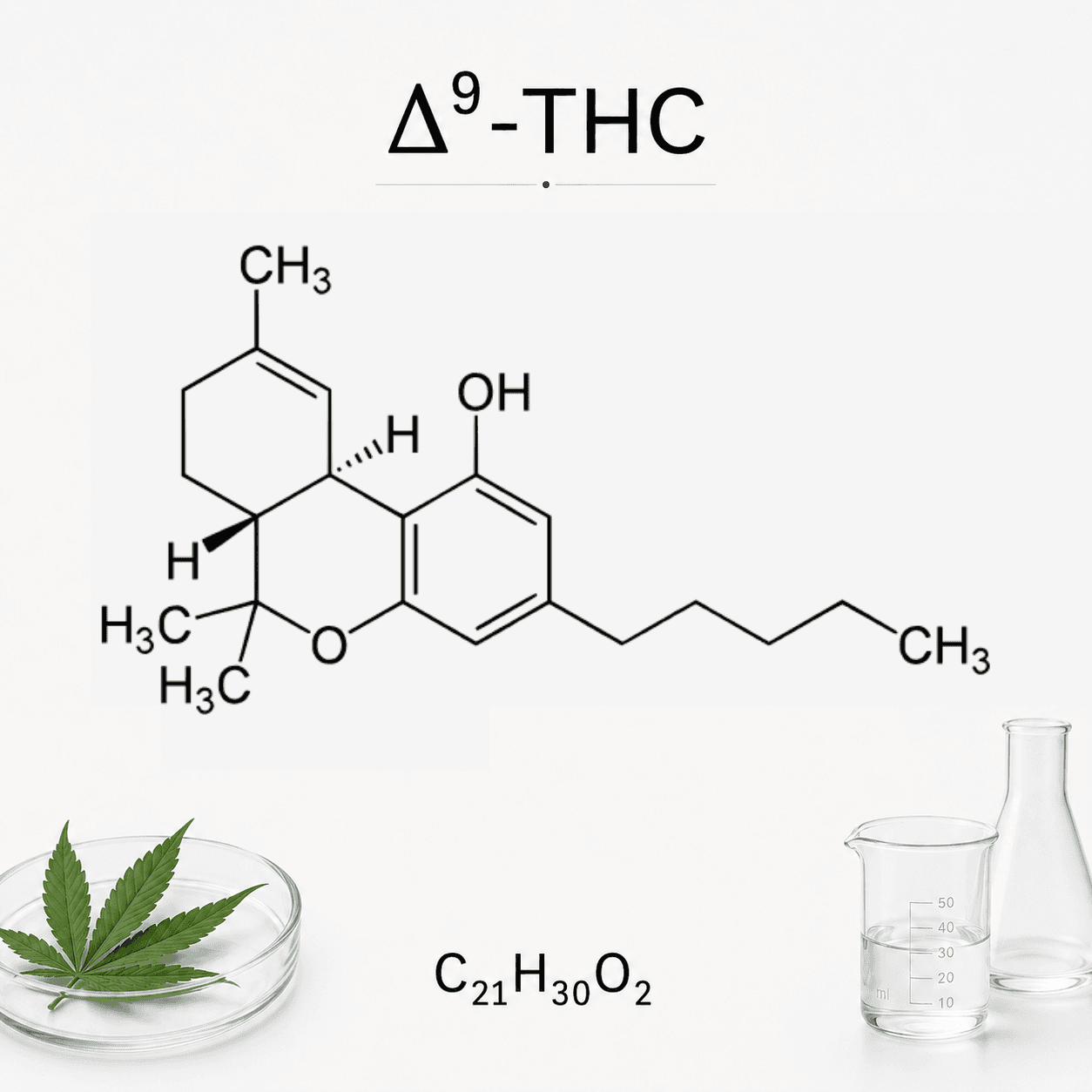
THC
Primary intoxicating cannabinoid in cannabis. Clear impairment risks, dependence potential and adverse mental health outcomes at high-dose or regular use.
Main caution
Impaired memory, attention and psychomotor function — do not drive or operate machinery
Legal: Legal context varies
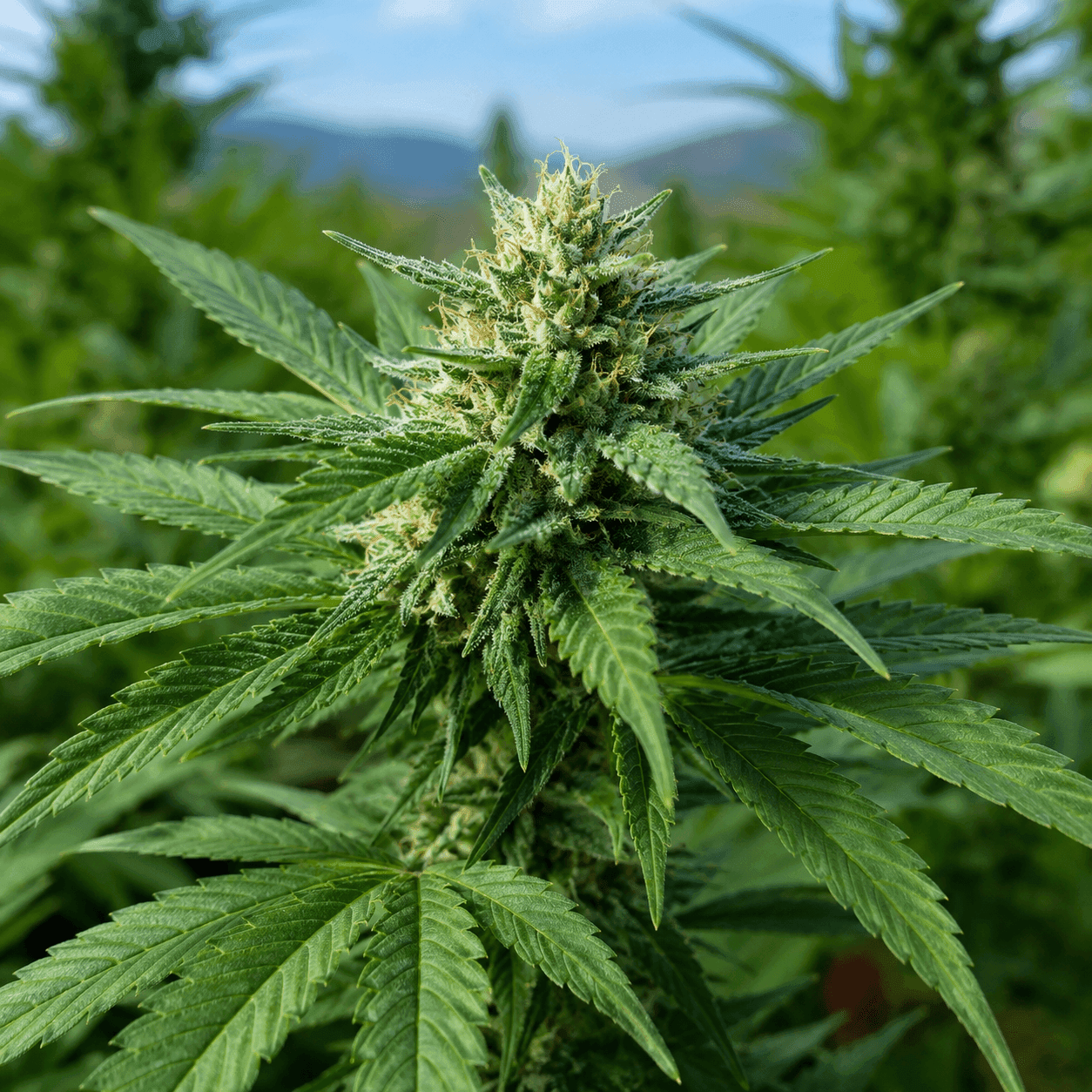
CBD
Non-intoxicating cannabinoid discussed for calm and sleep support. Medication interaction concerns and significant product quality variation are key considerations.
Main caution
Significant drug interaction potential — CBD affects liver enzymes that metabolise many medications
Legal: Legal context varies
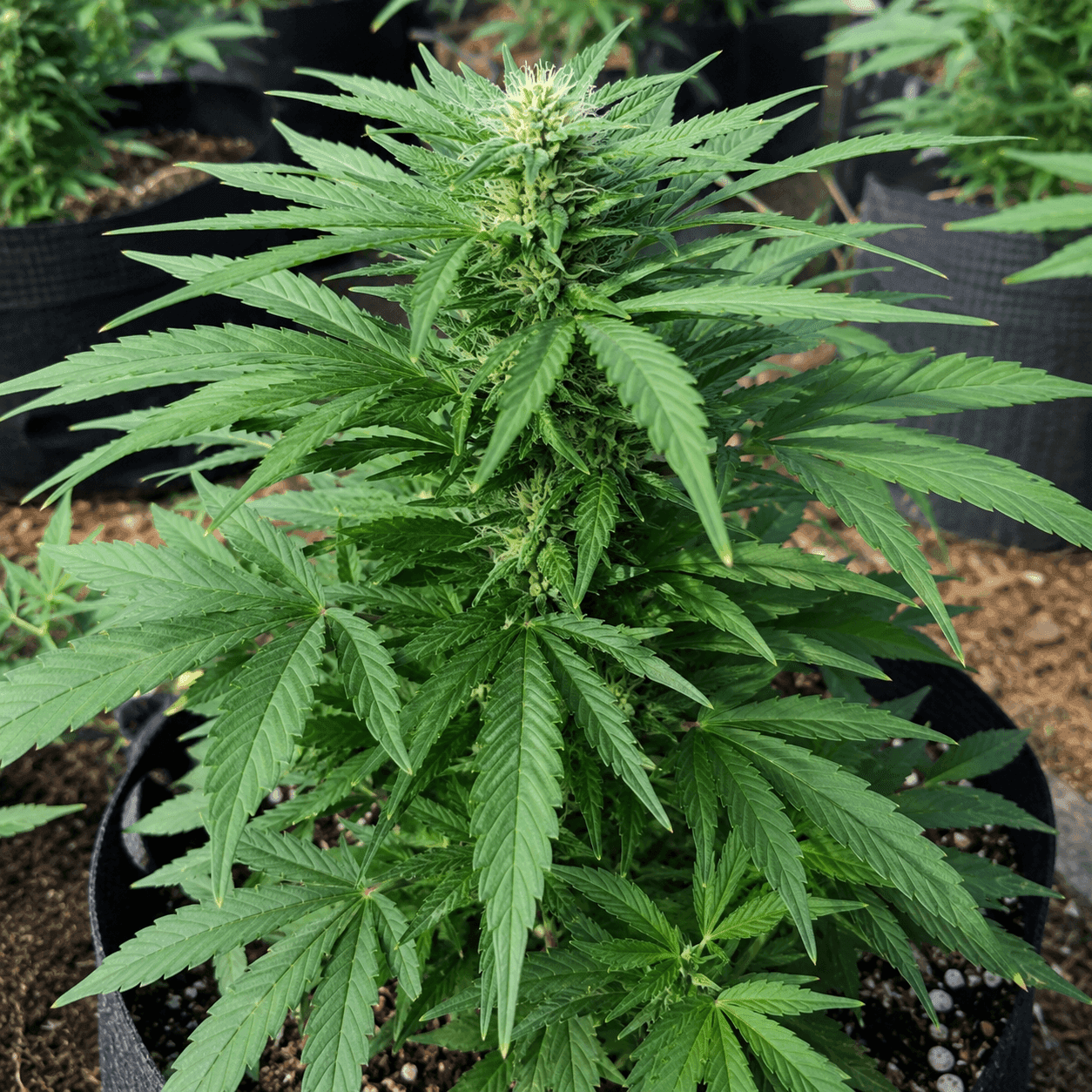
Cannabis
Plant profile covering cannabinoids, terpenes, reported effects, impairment, dependence, legal variation and risk context across a wide range of products.
Main caution
Impaired coordination, memory and judgment — do not drive or operate machinery
Legal: Legal context varies
Related comparisons
Structured educational comparisons relevant to this guide.
Trust Center context
Relevant sections of the Trust Center that explain how SubsAtlas works.
Related guides
Other educational guides with related context.
Amanita Muscaria vs Psilocybin Mushrooms: why they should not be confused
Cannabis terpenes explained: aroma, evidence and uncertainty
Legal context explained: why status varies by region
Educational context only. Not medical advice, legal advice, dosing guidance, sourcing guidance or a use guide. Effects, risks and legal status vary by individual, product and jurisdiction.