Amanita Muscaria vs Psilocybin Mushrooms
Educational comparison showing why Amanita Muscaria and psilocybin mushrooms should not be confused — different mechanisms, different risks.
Educational context
This comparison covers reported effects, risk profiles, evidence quality and interaction concerns. It is not a recommendation, use guide or ranking.
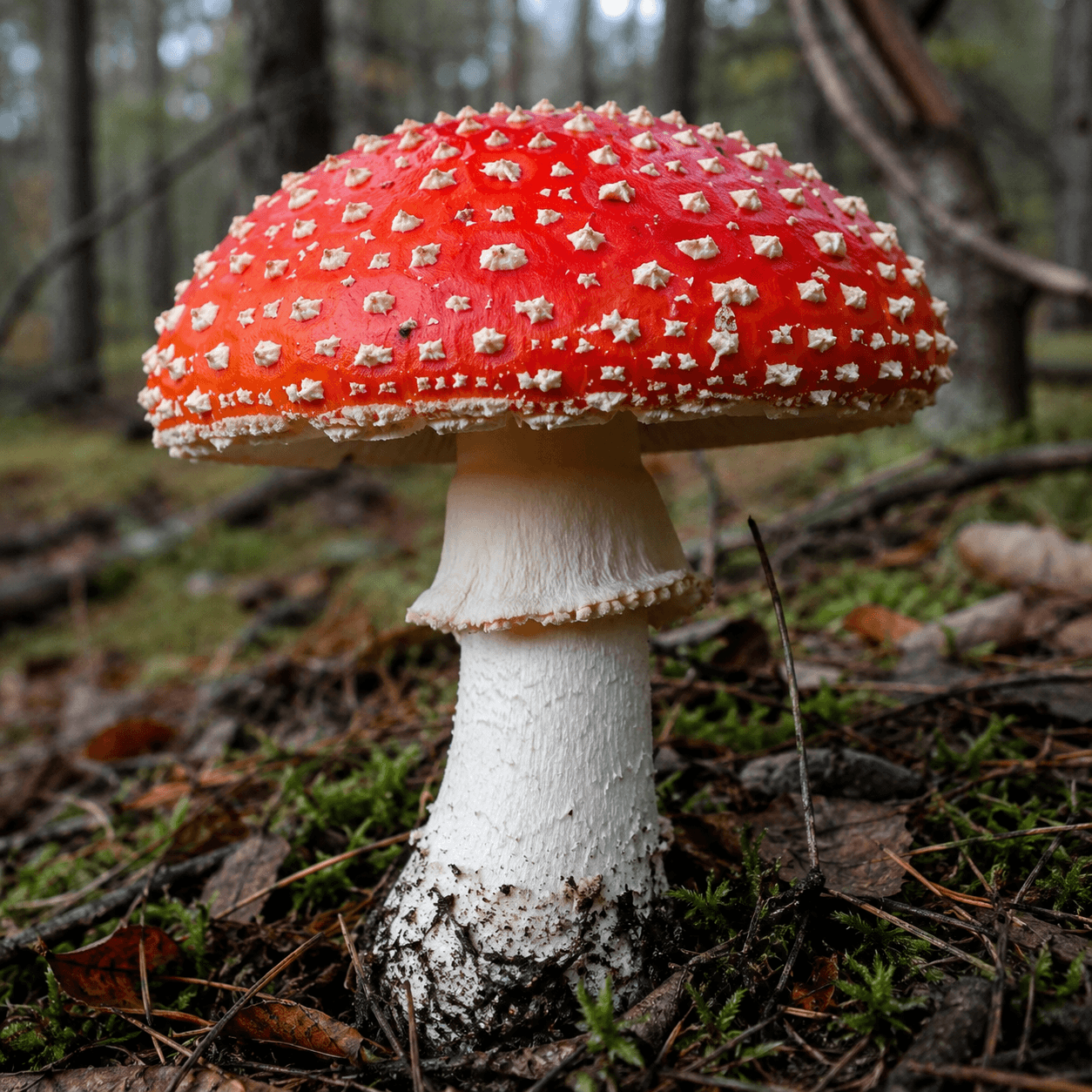
Amanita Muscaria
Legal status and product rules vary by country. Wild foraging carries serious misidentification risk — the Amanita genus includes highly toxic species. This profile is for educational context only.
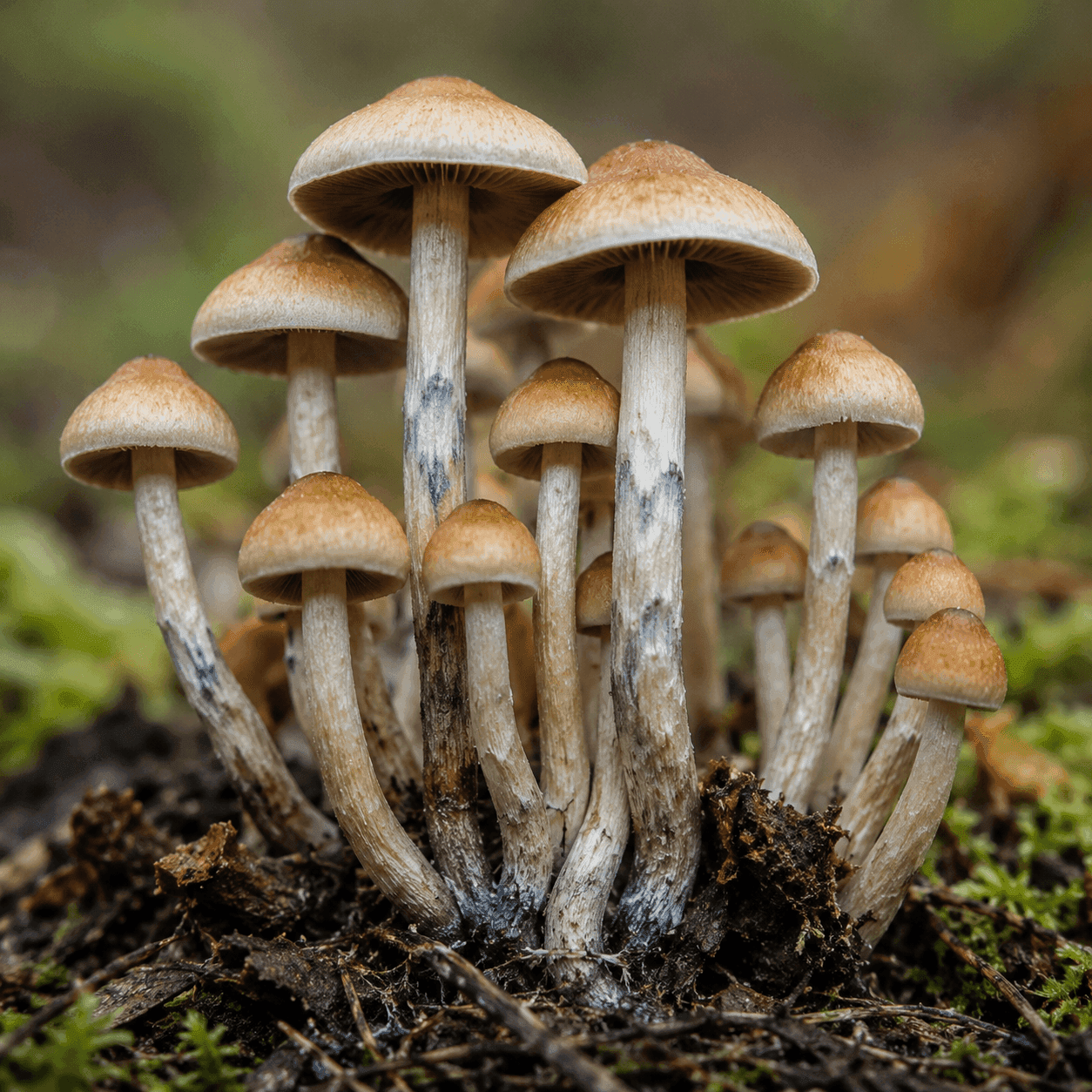
Psilocybin Mushrooms
Controlled in most jurisdictions. Legal status varies by country, and in some places by specific species or context. This profile is for educational context only.
Images are educational visuals. Plant and fungi visuals are not identification guidance.
Education profile
High-risk comparison
This comparison includes high-risk profiles. Use this information for risk awareness and educational context only.
SubsAtlas does not rank substances as better, safer or more suitable.
Compared profiles
Educational profiles for Amanita Muscaria and Psilocybin Mushrooms.
Amanita Muscaria
High-caution fungus with a distinct pharmacological profile from psilocybin mushrooms. Misidentification and ibotenic acid toxicity are serious risks.
Key caution
Not the same as psilocybin mushrooms — different compounds, different pharmacology, different risk profile
Psilocybin Mushrooms
Psilocybin-containing fungi with intense psychological effects, high anxiety potential and serious legal restrictions in most jurisdictions.
Key caution
Psychological distress, panic reactions and difficult psychological experiences are documented risks — particularly at higher exposures
Comparison matrix
Side-by-side educational context. Not a recommendation or ranking.
Amanita Muscaria
High-risk educationPsilocybin Mushrooms
High-risk educationAI Context
Educational comparison summary from curated archive data. Not a ranking or recommendation.
Amanita Muscaria and Psilocybin Mushrooms: comparison overview
This is an educational comparison summary of Amanita Muscaria and Psilocybin Mushrooms, not a ranking or recommendation. Amanita Muscaria has a high risk profile with limited evidence quality. Psilocybin Mushrooms has a high risk profile with moderate evidence quality. SubsAtlas does not rank substances as better, more suitable or preferable.
- Amanita Muscaria: High risk, Limited evidence.
- Psilocybin Mushrooms: High risk, Moderate evidence.
- Amanita Muscaria category: Fungi.
- Psilocybin Mushrooms category: Fungi.
- Legal context — Amanita Muscaria: varies by region.
- Legal context — Psilocybin Mushrooms: controlled.
This comparison includes high-risk education profiles. AI Context does not provide use or combination guidance.
Limitations
- This is an educational comparison, not a ranking or recommendation.
- Neither substance is described as better, safer or more suitable.
- Based on curated SubsAtlas archive data only.
- Not medical advice. Not legal advice. Not a use guide.
- Individual responses vary. Source review is ongoing.
- Do not rely on this for personal decisions.
AI Context summarizes curated SubsAtlas archive data only. Not medical advice. Not legal advice. Not a use guide. No external AI calls are made.
Key differences
Factual educational distinctions between the two profiles.
Psilocybin mushrooms contain psilocybin and psilocin, which act on 5-HT2A serotonin receptors; Amanita Muscaria contains muscimol and ibotenic acid, which act on GABA-A and NMDA receptors — entirely different mechanisms.
Amanita Muscaria is a member of the Amanita genus, which also contains deadly species such as Amanita phalloides (death cap). Foraging identification risk is extreme.
Psilocybin mushrooms are studied in clinical contexts; Amanita Muscaria has very limited modern clinical research.
The effects of Amanita Muscaria are unpredictable and differ significantly from classical psychedelics; effects described include sedation, confusion, delirium and nausea rather than typical psychedelic perceptual changes.
Both are controlled in some jurisdictions, but legal status varies widely by country and species.
Product quality and misidentification risk is particularly severe for any foraged fungi.
Risk context
Amanita Muscaria carries significant risks from both its variable alkaloid content and the potential for confusion with deadly Amanita species during foraging. Prepared or dried Amanita Muscaria sold commercially carries its own quality and composition uncertainty. Psilocybin mushrooms carry psychological risk, particularly for individuals with vulnerability to psychosis. Misidentification of foraged fungi is a documented cause of serious poisoning. This page does not provide foraging, identification or preparation guidance.
Evidence context
Psilocybin has an active clinical evidence base with multiple research institutions studying its effects in therapeutic contexts. Amanita Muscaria has very limited modern clinical evidence; most documentation is historical, ethnobotanical or case-report based. Community-reported data for Amanita Muscaria is available but carries high uncertainty. The two fungi should not be assumed to share effects, risks or evidence profiles.
Interaction concerns
Shown for risk awareness only. SubsAtlas does not describe any combination as safe.
Amanita Muscaria's GABAergic activity makes combination with alcohol, benzodiazepines or other CNS depressants particularly concerning. Psilocybin's serotonergic activity makes combination with MAOIs, SSRIs and lithium concerning. Neither should be combined with each other. This page does not describe any interaction as manageable or safe. If someone may be experiencing mushroom toxicity, contact emergency services immediately.
Legal context
Legal status varies by country, state and local regulation. This is educational context only — not legal advice.
Amanita Muscaria
Amanita muscaria is not a controlled substance in most countries and is not the same species as psilocybin-containing mushrooms. Regulatory status of certain preparations may vary by jurisdiction. Legal context is not a safety guarantee — this profile addresses toxicity risk, not legal status. Educational context only.
Psilocybin Mushrooms
Psilocybin mushrooms are controlled substances in most countries and jurisdictions, with regulated exceptions emerging in some regions for supervised clinical or therapeutic contexts. Possession and use is prohibited in most regions. This profile is for educational context only.
Legal status varies by jurisdiction and changes over time. Verify current local law through official sources. How legal context works
Related safety topics
Educational context pages relevant to this comparison.
Related profiles
Educational profiles with related risk or effect context.
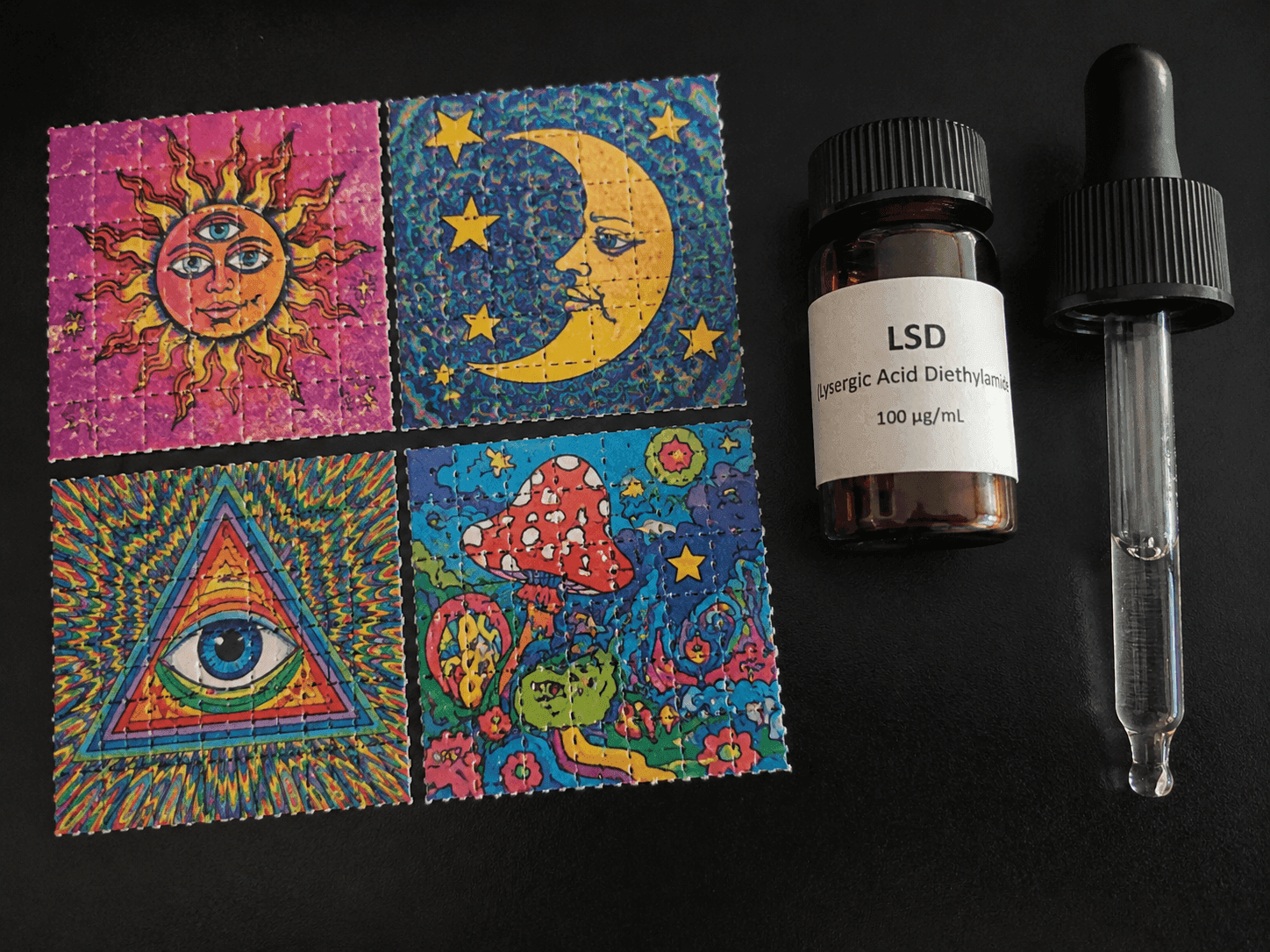
LSD
High-risk education profile focused on perception changes, psychological distress and legal context.
Psychological distress risk
Legal: Legal context varies
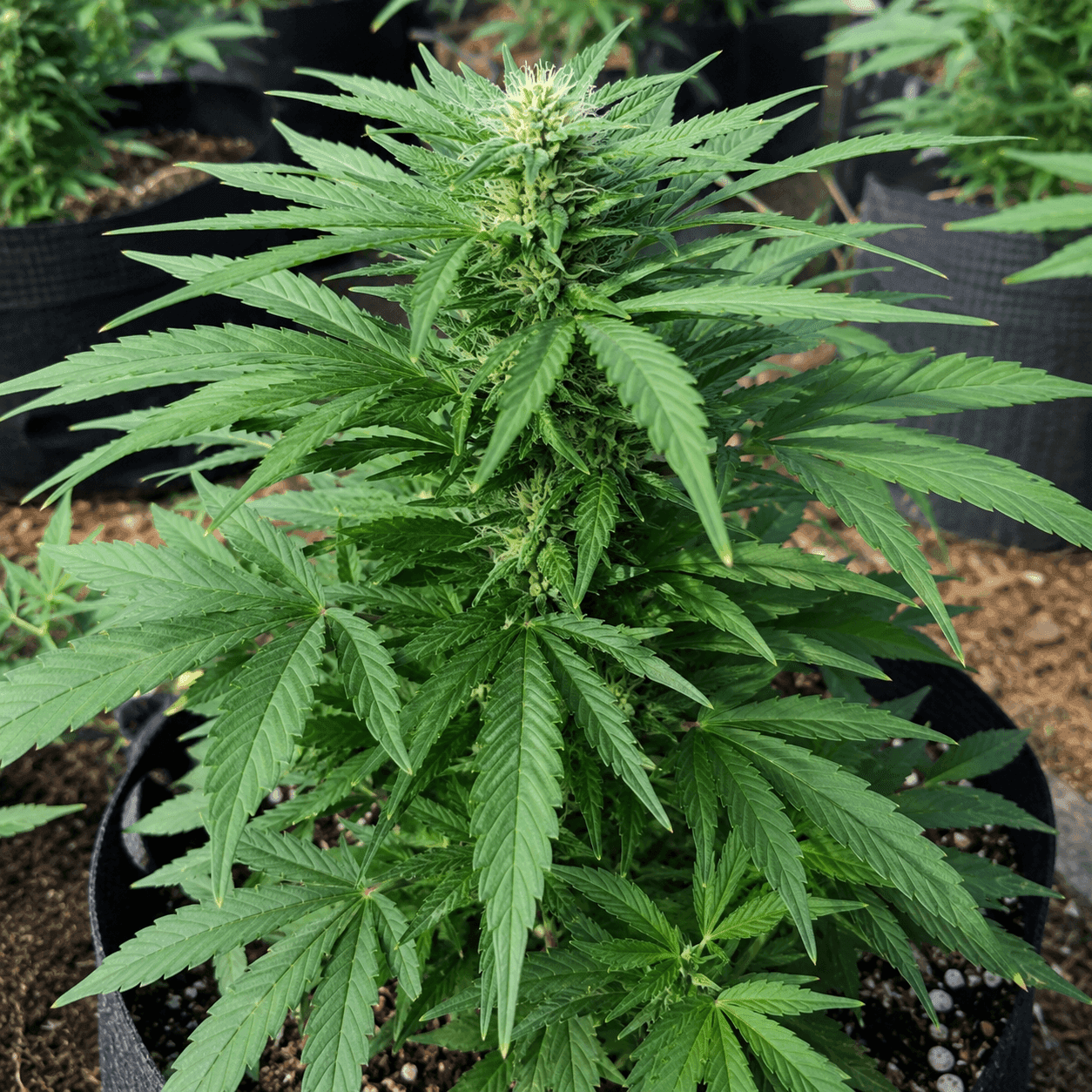
Cannabis
Plant profile covering cannabinoids, terpenes, reported effects, impairment, dependence, legal variation and risk context across a wide range of products.
Main caution
Impaired coordination, memory and judgment — do not drive or operate machinery
Legal: Legal context varies
Full educational profiles
Explore each substance profile for complete effects, risk and evidence context.
Amanita Muscaria
High-caution fungus with a distinct pharmacological profile from psilocybin mushrooms. Misidentification and ibotenic acid toxicity are serious risks.
Psilocybin Mushrooms
Psilocybin-containing fungi with intense psychological effects, high anxiety potential and serious legal restrictions in most jurisdictions.
Share this comparison
Visual educational card for this comparison.
Related guide
Educational guide with expanded context for this comparison.
Educational information only. Not medical advice. Effects, risks and responses vary by individual. SubsAtlas does not provide dosing, sourcing, preparation or optimization guidance.