What not to mix with alcohol: interaction awareness
Alcohol has extensive documented interaction concerns with a range of other substances and medications. This guide provides educational context on the most significant categories — for risk awareness, not as a guide to combinations.
Educational context
This guide provides educational context only. It is not a use guide, medical advice, legal advice, dosing guidance or sourcing guidance.
Context
Why alcohol interaction concerns matter
Alcohol acts as a CNS depressant, reducing activity across multiple brain systems. When combined with other CNS-depressing substances, these effects compound in ways that are not simply additive — the combined effect can be significantly more severe than either substance alone. This is why certain combinations involving alcohol are among the most serious documented risks in substance safety contexts.
SubsAtlas does not describe any combination as safe. This page is for risk awareness only — not guidance on combined use.
High-risk combination
Alcohol and opioids
Combining alcohol with opioids (including heroin, fentanyl and prescription opioids) significantly increases the risk of respiratory depression — where breathing slows to a dangerous degree. This combination is a leading factor in opioid-related overdose deaths globally. Fentanyl contamination in the illicit supply makes this risk apply even when opioids are not intentionally being used.
High-risk combination
Alcohol and benzodiazepines
Benzodiazepines (including alprazolam/Xanax) combined with alcohol compound CNS depression and respiratory risk. The combination is associated with significant overdose risk and is over-represented in emergency and overdose contexts. Both substances also impair memory and judgment individually — combined use compounds this effect substantially.
High-risk combination
Alcohol and GHB
GHB combined with alcohol is among the highest-risk documented drug combinations. GHB has an extremely narrow margin between sedating and overdose amounts, and alcohol significantly narrows this margin further. The result can be sudden unconsciousness and respiratory depression. This combination appears in emergency medical contexts with concerning frequency.
Interaction context
Alcohol and stimulants
Combining alcohol with stimulants (including caffeine) can mask the perceived level of intoxication without reducing actual impairment. This is an important risk context: feeling less drunk does not mean being less impaired. Cardiovascular strain is also a concern with stimulant-alcohol combinations.
Emergency awareness
When to seek emergency help
Difficulty breathing, loss of consciousness, unresponsiveness, confusion and pale or blue-tinged skin are signs that require immediate emergency medical attention. If someone appears to be in a medical emergency, contact local emergency services immediately. SubsAtlas does not provide guidance on managing overdose situations.
If someone may be in immediate danger, contact local emergency services. This page is educational context only — not emergency guidance.
Related profiles
Substance profiles relevant to this guide. For educational context and risk awareness.

Alcohol
Legal CNS depressant with well-documented impairment, dependence, organ health risks and extensive interaction concerns across many substances and medications.
Impaired judgment and coordination — do not drive or operate machinery
Legal: Legal context varies
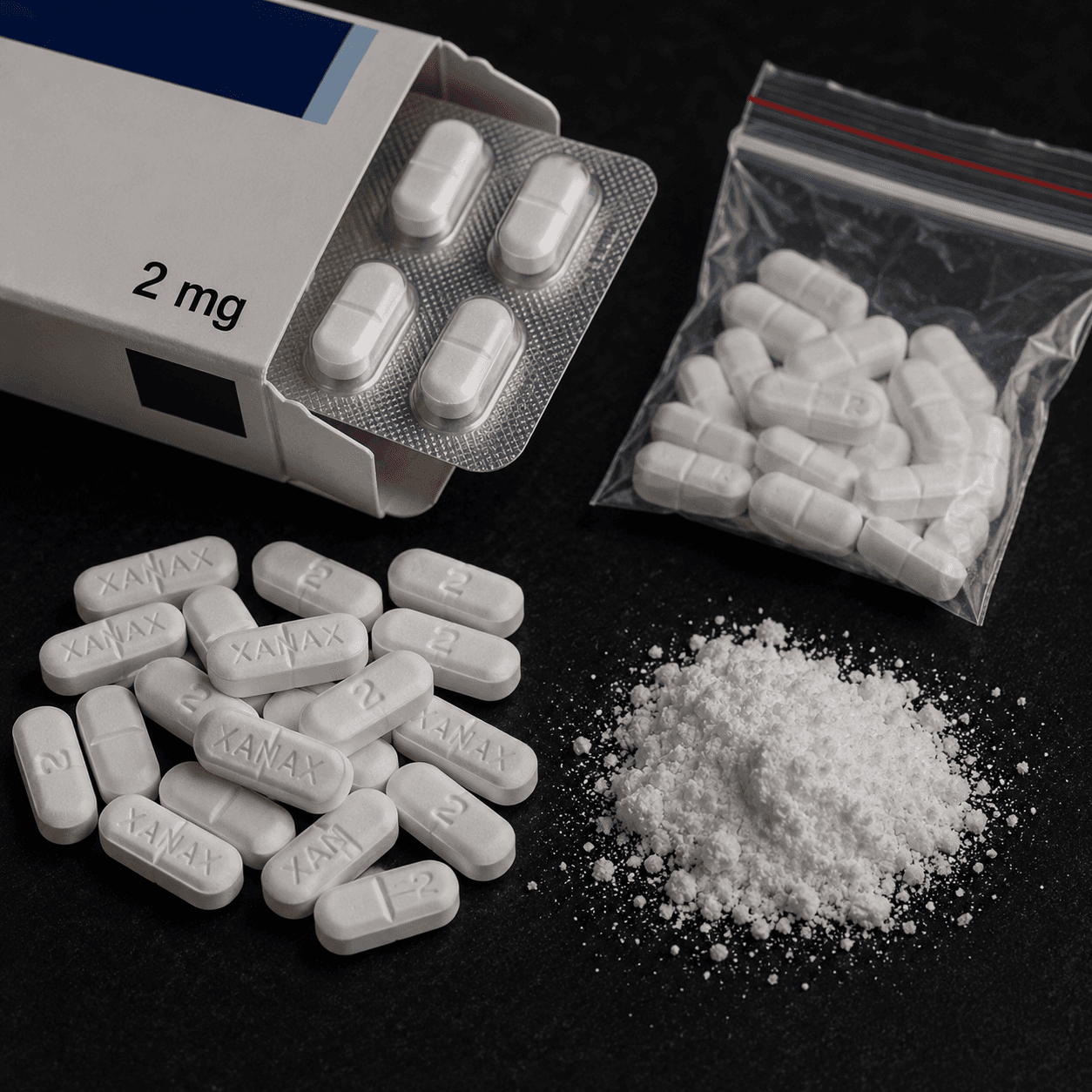
Alprazolam / Xanax
High-risk benzodiazepine profile focused on sedation, dependence, withdrawal and depressant interaction concerns.
High dependence potential — withdrawal can be medically serious or life-threatening
Legal: Prescription-only
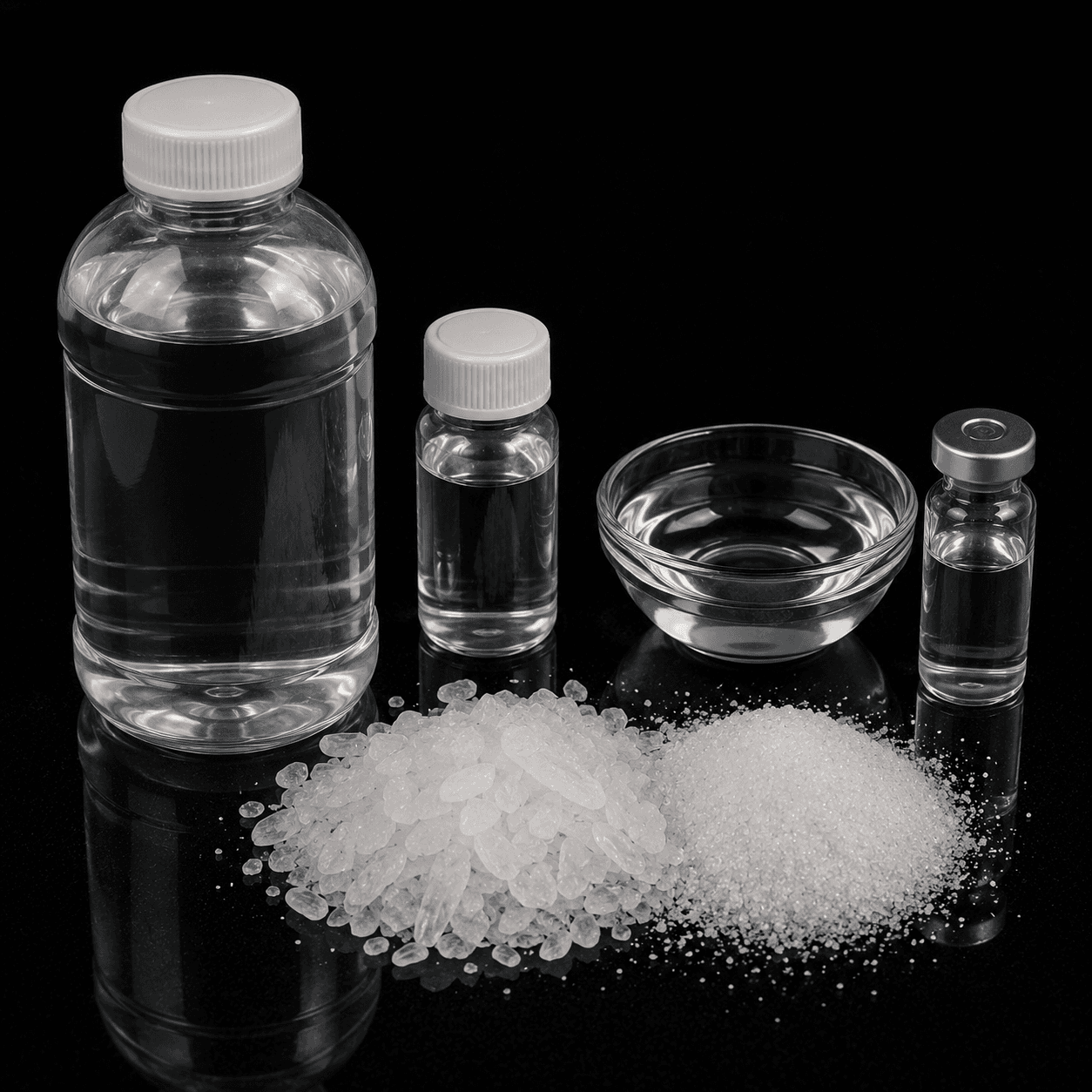
GHB
High-risk depressant profile focused on sedation, overdose, dependence and alcohol interaction concerns.
Extremely narrow margin between sedating and overdose amounts — a defining safety concern
Legal: Restricted / controlled
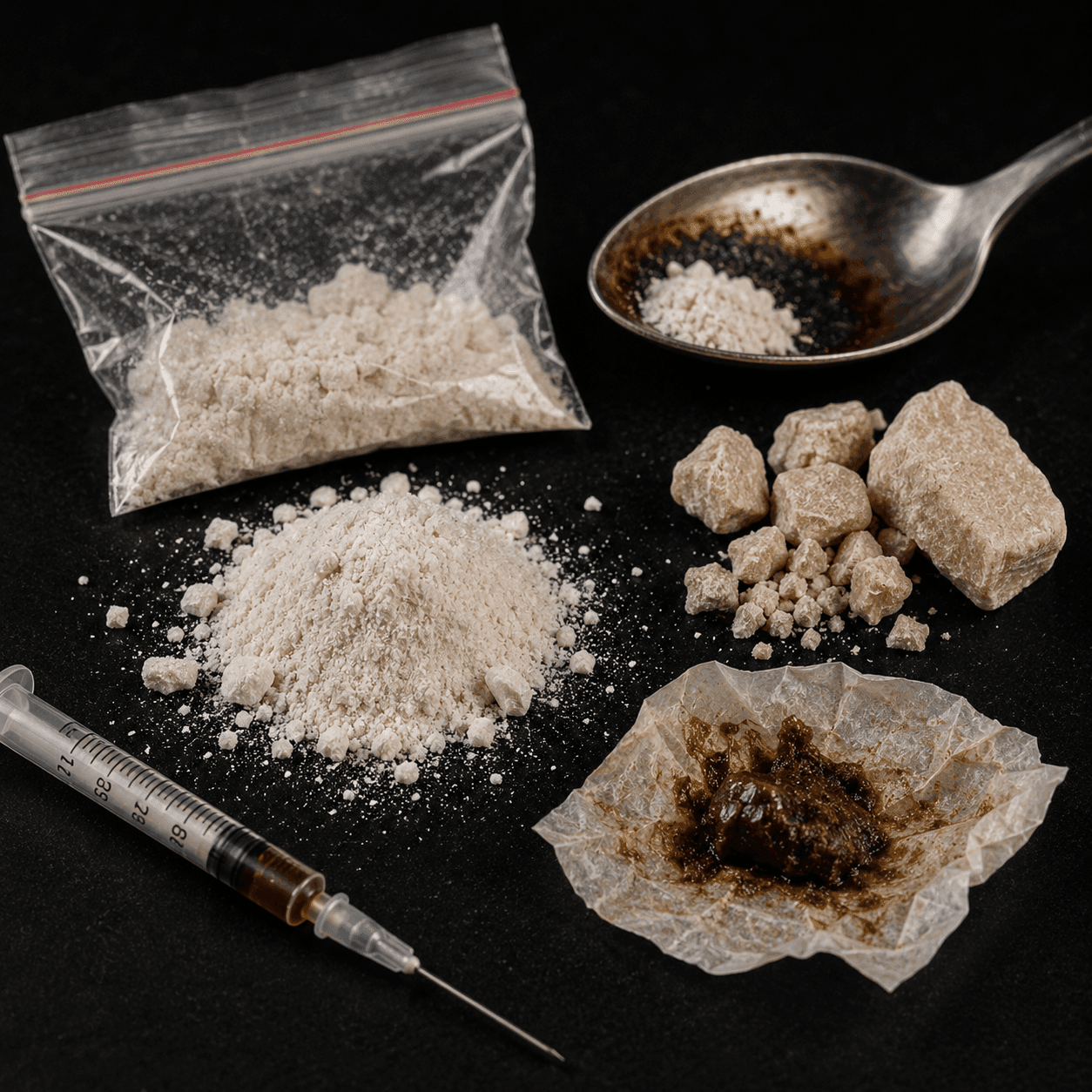
Heroin
High-risk opioid profile focused on overdose, dependence, sedation and depressant interaction concerns.
High overdose risk — respiratory depression can be fatal
Legal: Prohibited in many regions
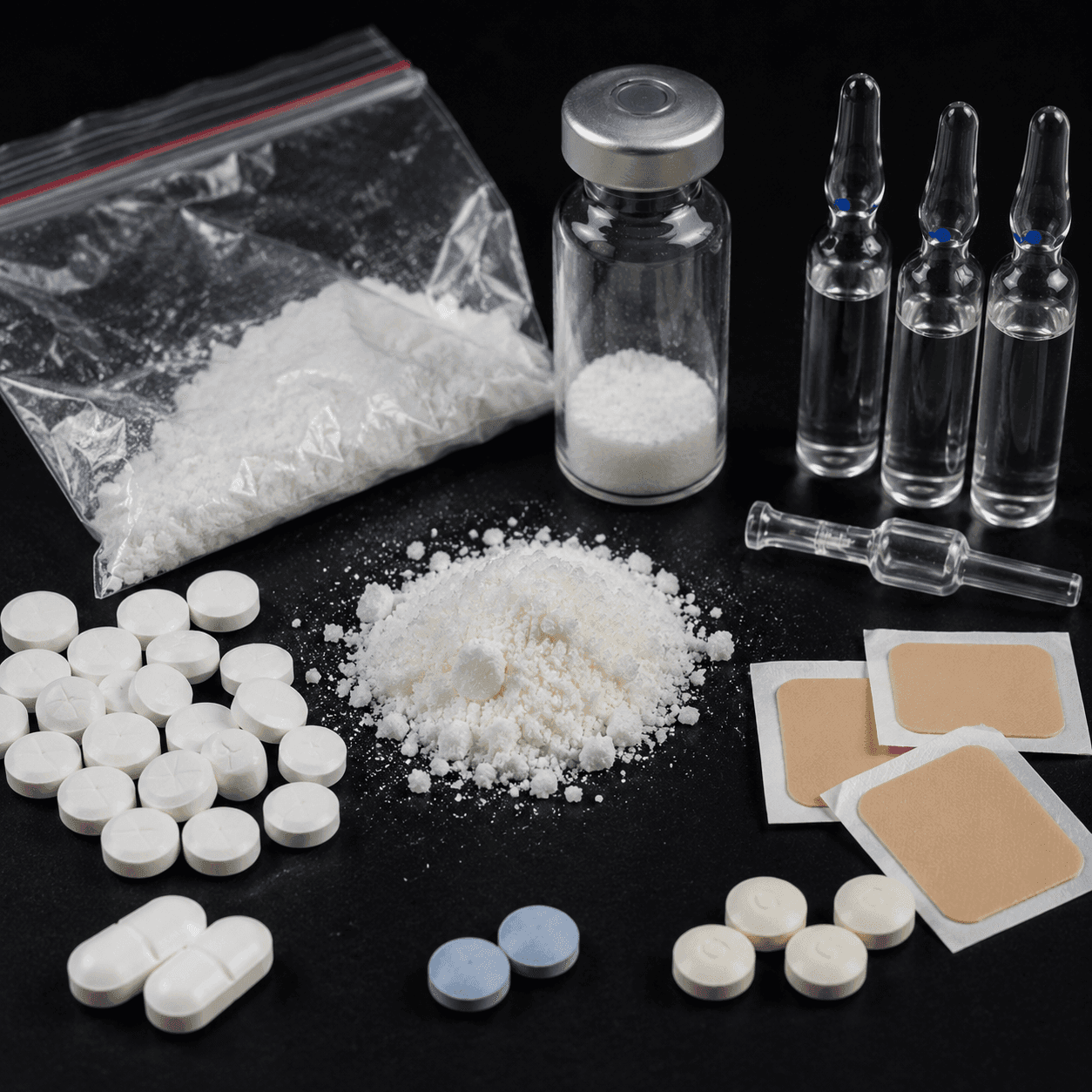
Fentanyl
High-risk opioid profile focused on extreme overdose risk, respiratory depression and depressant interactions.
Extreme overdose risk — respiratory depression can be fatal
Legal: Prescription-only
Related safety topics
Safety topics with relevant risk and interaction context for this guide.
What not to mix with alcohol
Alcohol may increase risk when combined with depressants, opioids, benzodiazepines and other substances.
Benzodiazepines and alcohol
Risk awareness around sedation, memory impairment, loss of control, dependence and overdose concerns.
Opioids and depressants
Combining opioids with depressants may increase sedation, breathing-related risks and overdose concerns.
When to seek emergency help
General emergency awareness — recognizing signs that require immediate contact with emergency services.
Trust Center context
Relevant sections of the Trust Center that explain how SubsAtlas works.
Educational context only. Not medical advice, legal advice, dosing guidance, sourcing guidance or a use guide. Effects, risks and legal status vary by individual, product and jurisdiction.