Kava vs Kratom
An educational comparison of Kava and Kratom across reported effects, risk profile, evidence quality and interaction concerns.
Educational context
This comparison covers reported effects, risk profiles, evidence quality and interaction concerns. It is not a recommendation, use guide or ranking.
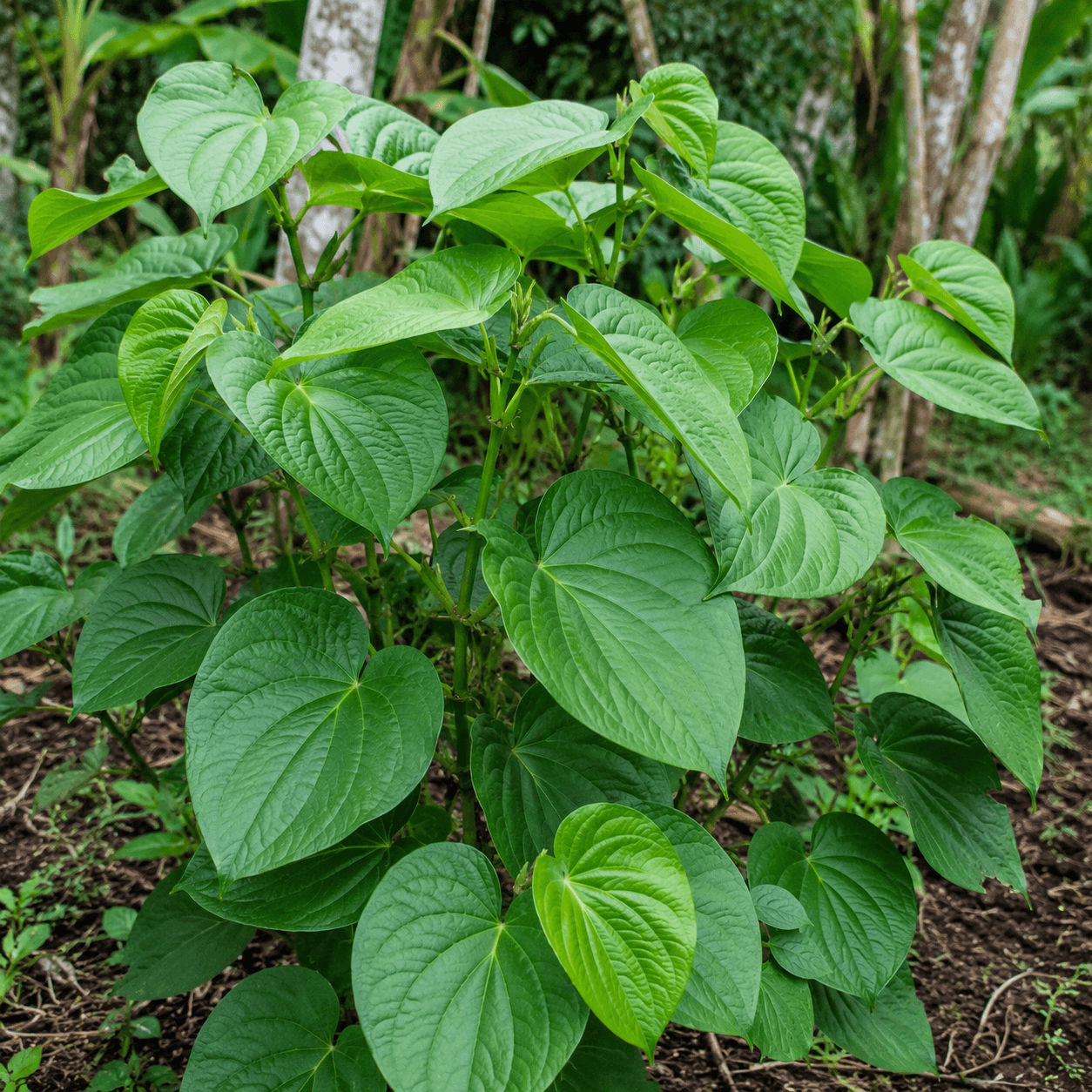
Kava
Legal status varies by country and product type. Some jurisdictions have issued restrictions or advisories due to liver safety concerns. This profile is for educational context only.
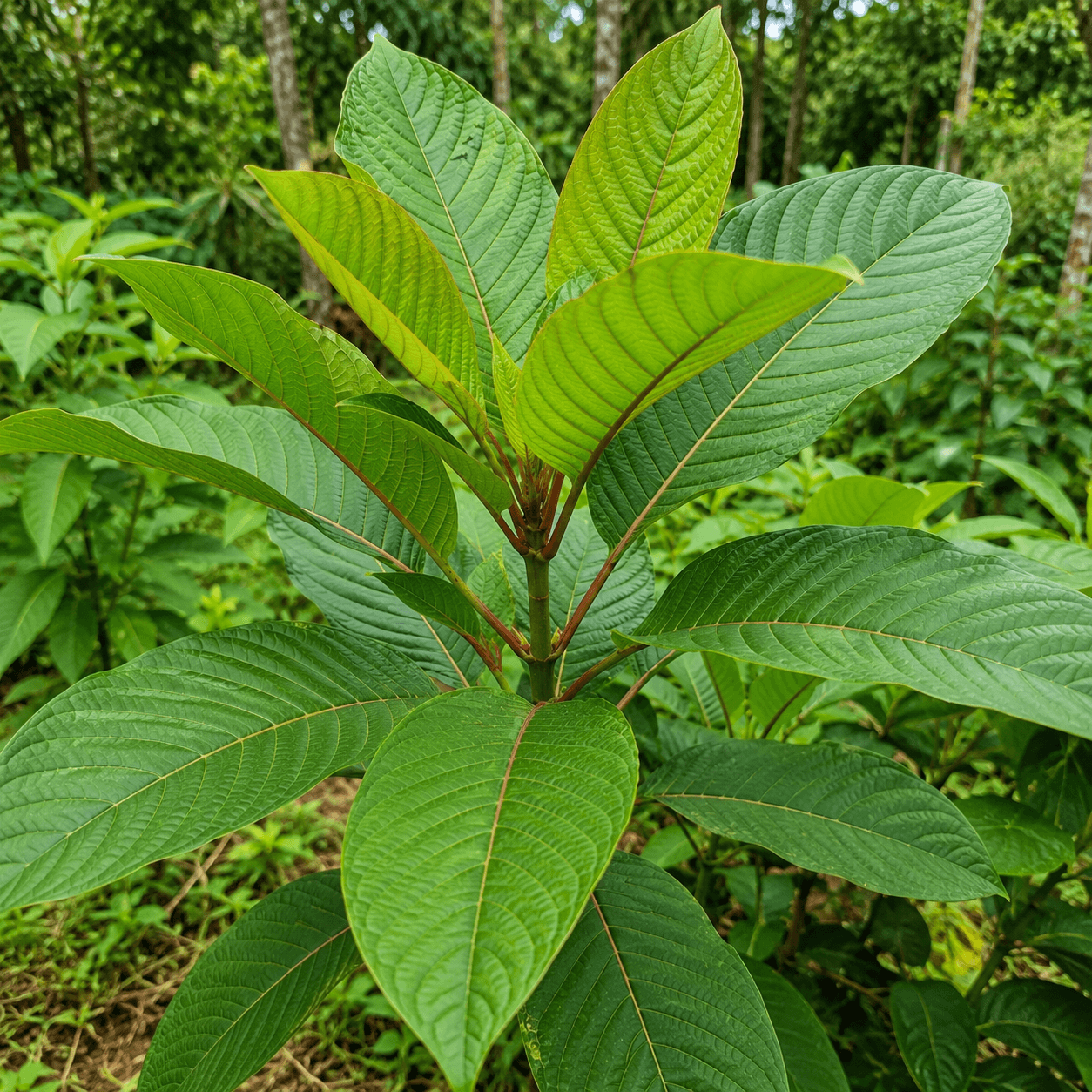
Kratom
Legal status varies significantly by country and region. Several jurisdictions have restricted or scheduled kratom due to safety concerns. This profile is for educational context only.
Images are educational visuals. Plant and fungi visuals are not identification guidance.
Compared profiles
Educational profiles for Kava and Kratom.
Kava
Traditional Pacific botanical associated with calm and social ease. Liver safety concerns and interaction risks with alcohol and sedatives are key documented cautions.
Key caution
Liver toxicity has been associated with kava use — regulatory advisories exist in some countries
Kratom
Southeast Asian botanical with opioid receptor activity. Significant dependence, withdrawal and interaction risks. Evidence base is limited.
Key caution
Opioid receptor activity — dependence and withdrawal risk analogous in some respects to opioids
Comparison matrix
Side-by-side educational context. Not a recommendation or ranking.
Kava
Kratom
AI Context
Educational comparison summary from curated archive data. Not a ranking or recommendation.
Kava and Kratom: comparison overview
This is an educational comparison summary of Kava and Kratom, not a ranking or recommendation. Kava has a moderate risk profile with moderate evidence quality. Kratom has a elevated risk profile with limited evidence quality. SubsAtlas does not rank substances as better, more suitable or preferable.
- Kava: Moderate risk, Moderate evidence.
- Kratom: Elevated risk, Limited evidence.
- Kava category: Botanical.
- Kratom category: Botanical.
- Legal context — Kava: varies by region.
- Legal context — Kratom: varies by region.
This comparison is educational context only. Effects, risks and responses vary.
Limitations
- This is an educational comparison, not a ranking or recommendation.
- Neither substance is described as better, safer or more suitable.
- Based on curated SubsAtlas archive data only.
- Not medical advice. Not legal advice. Not a use guide.
- Individual responses vary. Source review is ongoing.
- Do not rely on this for personal decisions.
AI Context summarizes curated SubsAtlas archive data only. Not medical advice. Not legal advice. Not a use guide. No external AI calls are made.
Key differences
Factual educational distinctions between the two profiles.
Kava acts primarily on GABA-A receptors and ion channels; Kratom acts on opioid receptors and adrenergic receptors.
Kratom has a more significant reported dependence profile, with opioid-like withdrawal concerns at higher exposure levels.
Kava is associated with hepatotoxicity concerns, particularly with concentrated preparations or prolonged use.
Kratom carries additional risks relating to product quality, adulteration and variable alkaloid content in unregulated markets.
Both have traditional contexts of use, but evidence from modern clinical research is limited for each.
Legal status differs significantly by country and is subject to change; both have faced regulatory actions in various jurisdictions.
Risk context
Kratom carries an elevated risk profile compared to traditional kava, primarily due to opioid receptor activity, dependence potential and withdrawal concerns. Kava's risk profile includes liver concerns and interaction with alcohol and sedatives. Neither should be combined with alcohol, CNS depressants or opioids. Product quality is a concern for both in unregulated markets. Individual response varies.
Evidence context
Evidence for both kava and kratom is limited from a clinical research perspective. Kava has more traditional documentation and some observational research on anxiolytic reported effects. Kratom's evidence base is primarily observational and community-reported, with significant uncertainty regarding long-term safety. Regulatory agencies in several countries have issued warnings about kratom due to dependence and safety concerns.
Interaction concerns
Shown for risk awareness only. SubsAtlas does not describe any combination as safe.
Kava should not be combined with alcohol, benzodiazepines or other CNS depressants due to additive sedation concerns. Kratom carries serious interaction risks with opioids, alcohol and sedative substances due to overlapping CNS depressant and opioid receptor activity. Both may interact with medications metabolised through the liver. Professional guidance is appropriate when any medication is involved.
Legal context
Legal status varies by country, state and local regulation. This is educational context only — not legal advice.
Kava
Kava is legal in most countries as a beverage or food supplement. Some European countries have imposed restrictions or bans on certain kava preparations due to historical safety concerns now under re-evaluation. Legal and regulatory status varies by region and product form. This profile is for educational context only.
Kratom
Kratom legal status varies significantly by country and region. It is prohibited or controlled in several countries and some US states, while remaining legal and unregulated in others. Regulatory status is actively evolving. This profile is for educational context only.
Legal status varies by jurisdiction and changes over time. Verify current local law through official sources. How legal context works
Related safety topics
Educational context pages relevant to this comparison.
Dependence and withdrawal
Dependence and withdrawal can occur with several substance classes. Stopping abruptly may carry risks for some substances.
Unknown product quality
Unknown contents, contamination, mislabeling and variable potency can increase risk.
What not to mix with alcohol
Alcohol may increase risk when combined with depressants, opioids, benzodiazepines and other substances.
Related profiles
Educational profiles with related risk or effect context.

Blue Lotus
Botanical associated with calm and dreamlike reports, with limited evidence and product-quality uncertainty.
Main caution
Limited evidence
Legal: Legal context varies
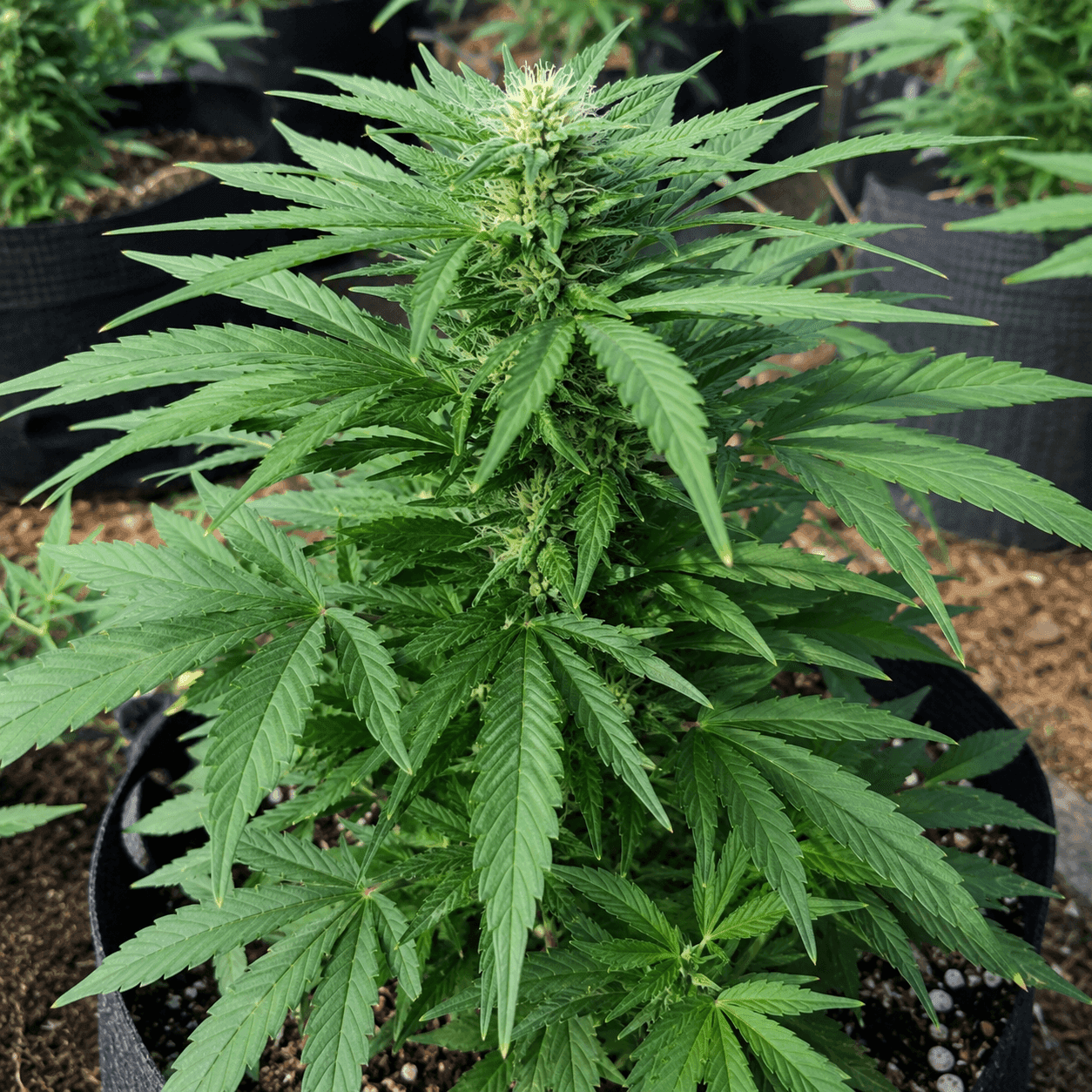
Cannabis
Plant profile covering cannabinoids, terpenes, reported effects, impairment, dependence, legal variation and risk context across a wide range of products.
Main caution
Impaired coordination, memory and judgment — do not drive or operate machinery
Legal: Legal context varies
Full educational profiles
Explore each substance profile for complete effects, risk and evidence context.
Kava
Traditional Pacific botanical associated with calm and social ease. Liver safety concerns and interaction risks with alcohol and sedatives are key documented cautions.
Kratom
Southeast Asian botanical with opioid receptor activity. Significant dependence, withdrawal and interaction risks. Evidence base is limited.
Related guide
Educational guide with expanded context for this comparison.
Educational information only. Not medical advice. Effects, risks and responses vary by individual. SubsAtlas does not provide dosing, sourcing, preparation or optimization guidance.