THC vs CBD
An educational comparison of THC and CBD across reported effects, risk profile, evidence quality and interaction concerns.
Educational context
This comparison covers reported effects, risk profiles, evidence quality and interaction concerns. It is not a recommendation, use guide or ranking.
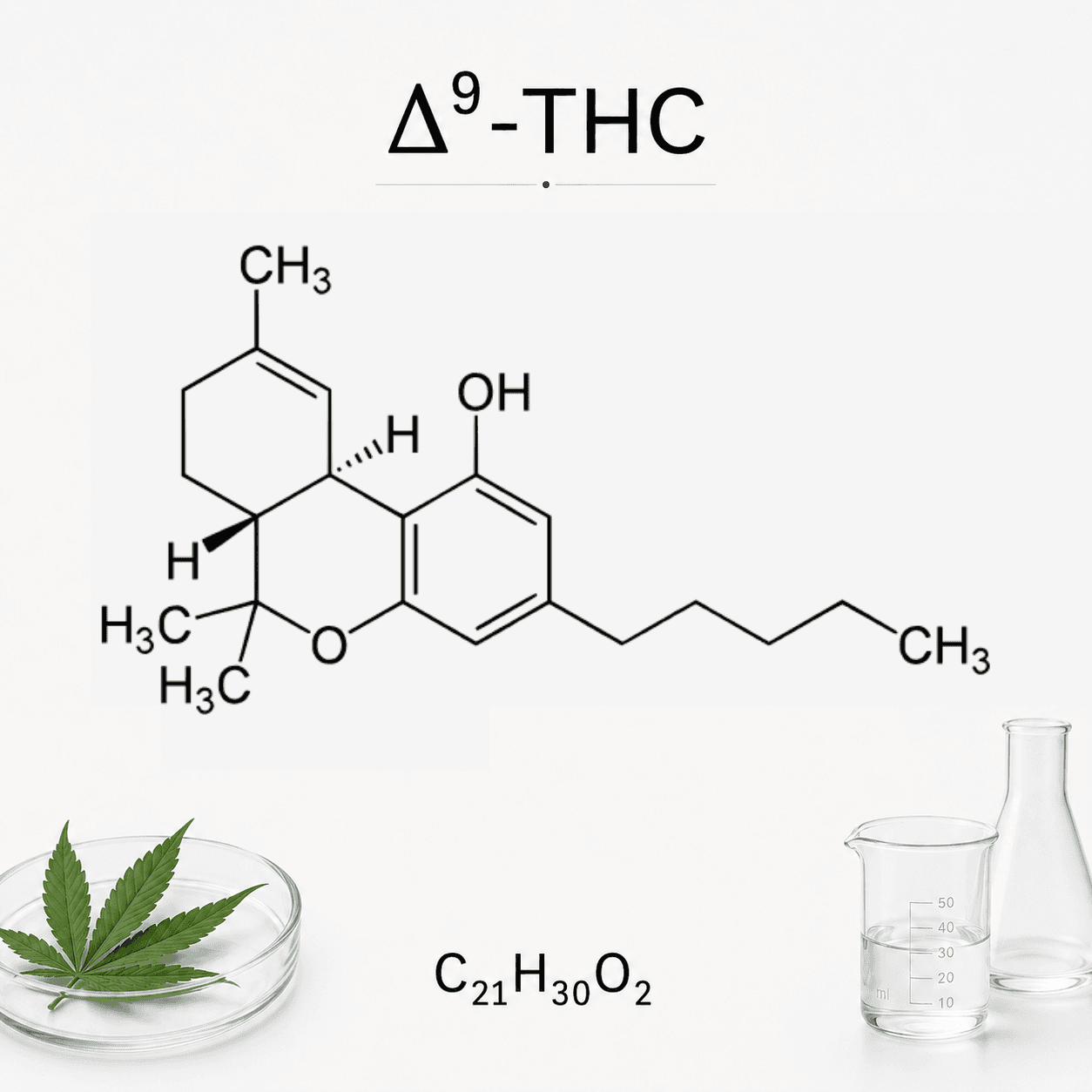
THC
Controlled or restricted in many jurisdictions; legal status varies by country, region and product type. This profile is for educational context only.
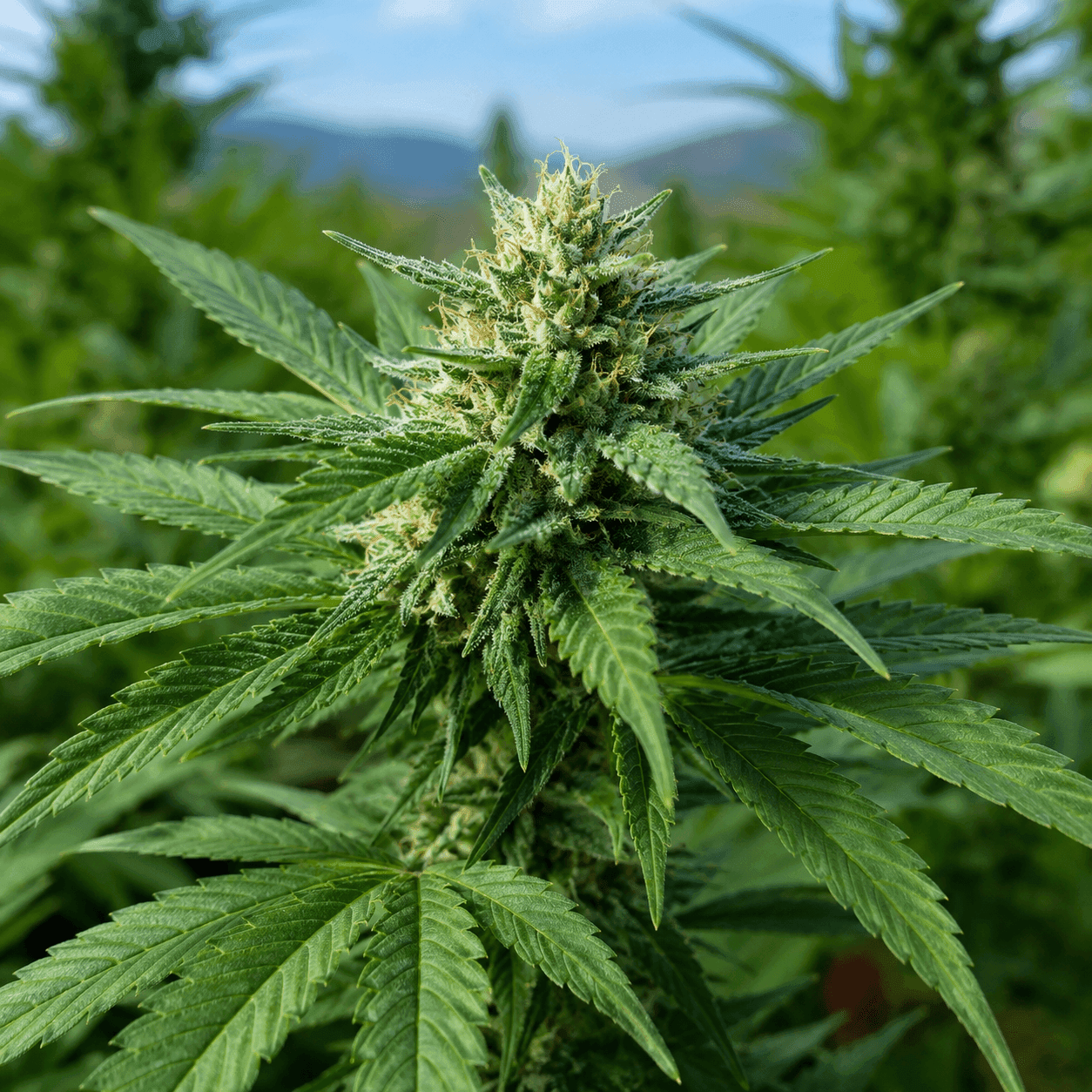
CBD
Legal status varies by country and often depends on THC content thresholds in the product. Rules change frequently. This profile is for educational context only.
Images are educational visuals. Plant and fungi visuals are not identification guidance.
Compared profiles
Educational profiles for THC and CBD.
THC
Primary intoxicating cannabinoid in cannabis. Clear impairment risks, dependence potential and adverse mental health outcomes at high-dose or regular use.
Key caution
Impaired memory, attention and psychomotor function — do not drive or operate machinery
CBD
Non-intoxicating cannabinoid discussed for calm and sleep support. Medication interaction concerns and significant product quality variation are key considerations.
Key caution
Significant drug interaction potential — CBD affects liver enzymes that metabolise many medications
Comparison matrix
Side-by-side educational context. Not a recommendation or ranking.
THC
CBD
AI Context
Educational comparison summary from curated archive data. Not a ranking or recommendation.
THC and CBD: comparison overview
This is an educational comparison summary of THC and CBD, not a ranking or recommendation. THC has a elevated risk profile with moderate evidence quality. CBD has a low risk profile with moderate evidence quality. SubsAtlas does not rank substances as better, more suitable or preferable.
- THC: Elevated risk, Moderate evidence.
- CBD: Low risk, Moderate evidence.
- THC category: Cannabinoid.
- CBD category: Cannabinoid.
- Legal context — THC: varies by region.
- Legal context — CBD: varies by region.
This comparison is educational context only. Effects, risks and responses vary.
Limitations
- This is an educational comparison, not a ranking or recommendation.
- Neither substance is described as better, safer or more suitable.
- Based on curated SubsAtlas archive data only.
- Not medical advice. Not legal advice. Not a use guide.
- Individual responses vary. Source review is ongoing.
- Do not rely on this for personal decisions.
AI Context summarizes curated SubsAtlas archive data only. Not medical advice. Not legal advice. Not a use guide. No external AI calls are made.
Key differences
Factual educational distinctions between the two profiles.
THC is psychoactive and produces intoxicating effects; CBD is generally reported as non-intoxicating at typical exposure levels.
THC has a higher reported anxiety potential; CBD is researched for its anxiolytic properties in some contexts.
CBD has a broader clinical evidence base, including FDA-approved use for certain seizure conditions.
THC is more widely restricted under drug laws; CBD legal status varies significantly by region and source.
Both cannabinoids interact with the endocannabinoid system but through different primary mechanisms.
Reported effects of THC include euphoria, relaxation and altered perception; CBD is associated with calming and anti-inflammatory reported effects without intoxication.
Risk context
THC carries a higher reported risk profile than CBD, including anxiety potential, temporary cognitive impairment and in some individuals, cardiovascular effects. CBD is generally considered lower risk in isolation, though high-dose exposure may affect liver enzymes. Both are subject to product quality concerns in unregulated markets. Neither is free of risk. Individual response varies significantly.
Evidence context
CBD has stronger clinical evidence than THC for certain specific indications, including a regulatory-approved application for severe epilepsy syndromes. THC has moderate evidence from observational research but faces regulatory barriers that limit formal clinical study. Community-reported data for both cannabinoids is substantial but carries inherent uncertainty. Evidence quality for cannabis-related research is complicated by legal restrictions on research in many jurisdictions.
Interaction concerns
Shown for risk awareness only. SubsAtlas does not describe any combination as safe.
Both THC and CBD can interact with other substances and medications. THC may intensify sedation when combined with alcohol or other CNS depressants. CBD inhibits certain liver enzymes (CYP450 pathway) and may affect the metabolism of other medications. Individuals taking pharmaceutical medications should seek professional guidance before exposure to either cannabinoid. Combination with serotonergic substances may also carry interaction concerns.
Legal context
Legal status varies by country, state and local regulation. This is educational context only — not legal advice.
THC
THC legal status varies by country, state and local jurisdiction. In some regions THC is available through regulated cannabis markets; in others it is controlled or prohibited. Legal thresholds, permitted contexts and product types vary widely. This profile is for educational context only.
CBD
CBD legal status varies by country and regulatory framework. Some jurisdictions distinguish between hemp-derived and cannabis-derived CBD, with different rules applying to each. Regulatory thresholds, permitted products and health claims differ significantly by region. This profile is for educational context only.
Legal status varies by jurisdiction and changes over time. Verify current local law through official sources. How legal context works
Related safety topics
Educational context pages relevant to this comparison.
Related profiles
Educational profiles with related risk or effect context.
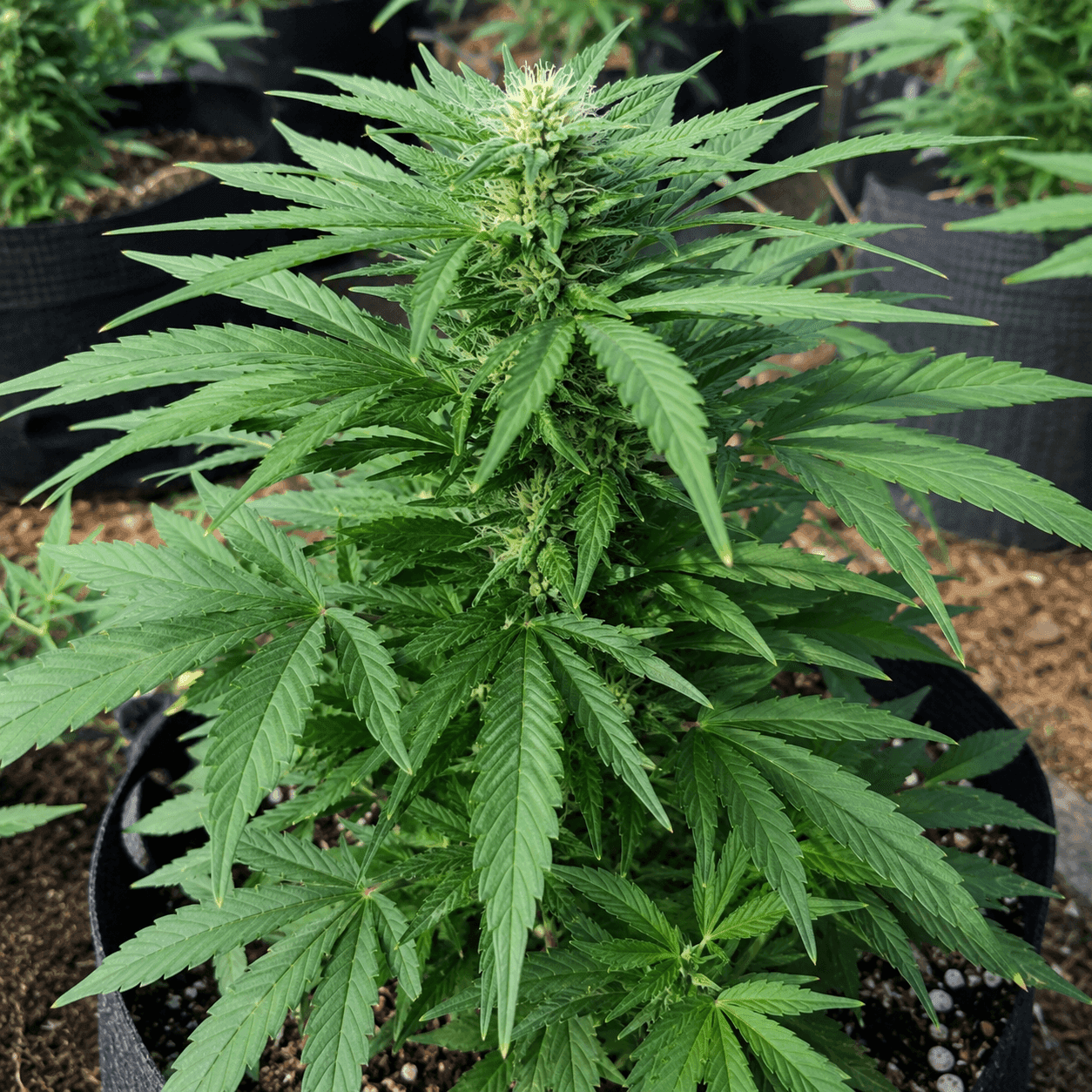
Cannabis
Plant profile covering cannabinoids, terpenes, reported effects, impairment, dependence, legal variation and risk context across a wide range of products.
Main caution
Impaired coordination, memory and judgment — do not drive or operate machinery
Legal: Legal context varies
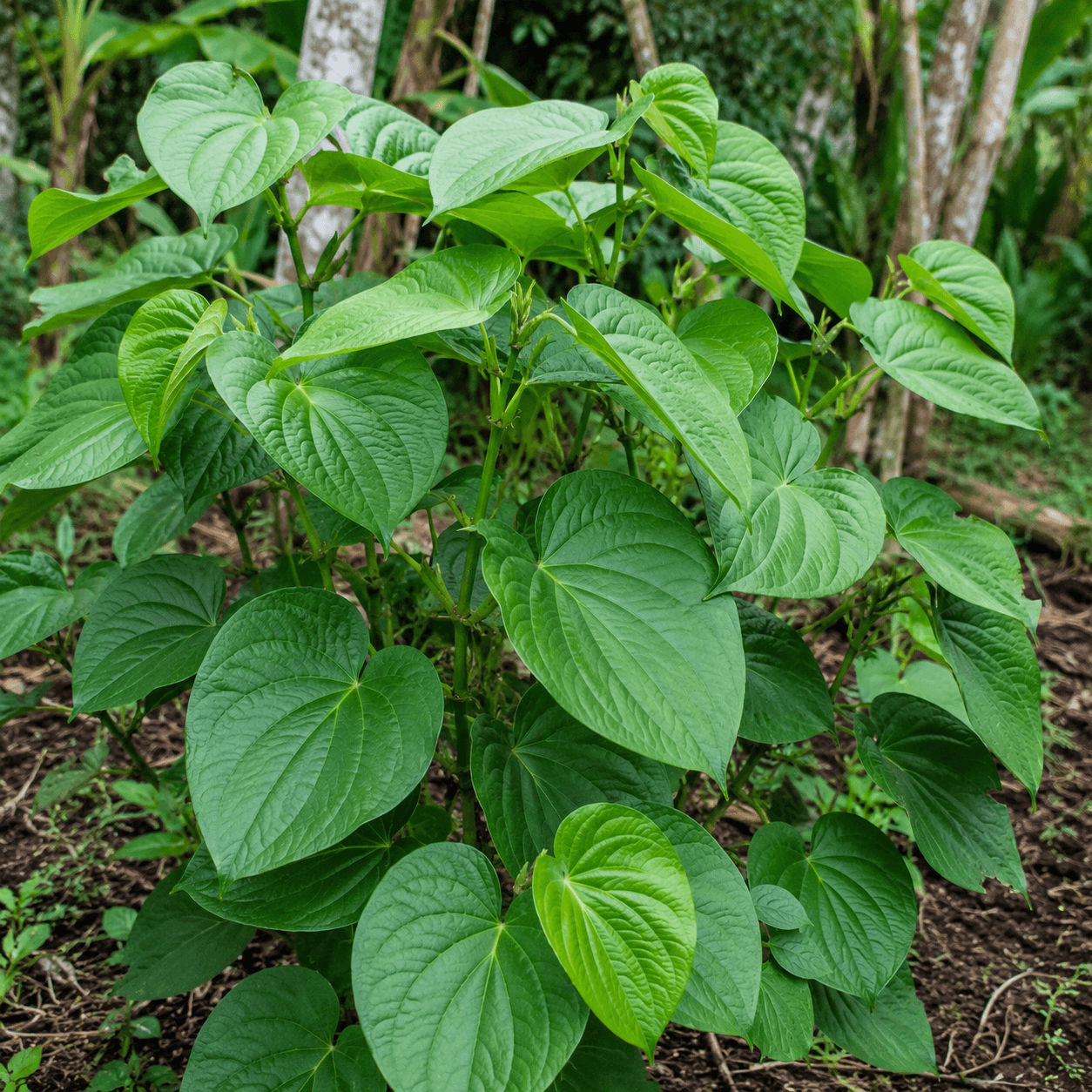
Kava
Traditional Pacific botanical associated with calm and social ease. Liver safety concerns and interaction risks with alcohol and sedatives are key documented cautions.
Main caution
Liver toxicity has been associated with kava use — regulatory advisories exist in some countries
Legal: Legal context varies
Full educational profiles
Explore each substance profile for complete effects, risk and evidence context.
THC
Primary intoxicating cannabinoid in cannabis. Clear impairment risks, dependence potential and adverse mental health outcomes at high-dose or regular use.
CBD
Non-intoxicating cannabinoid discussed for calm and sleep support. Medication interaction concerns and significant product quality variation are key considerations.
Share this comparison
Visual educational card for this comparison.
Related guide
Educational guide with expanded context for this comparison.
Educational information only. Not medical advice. Effects, risks and responses vary by individual. SubsAtlas does not provide dosing, sourcing, preparation or optimization guidance.