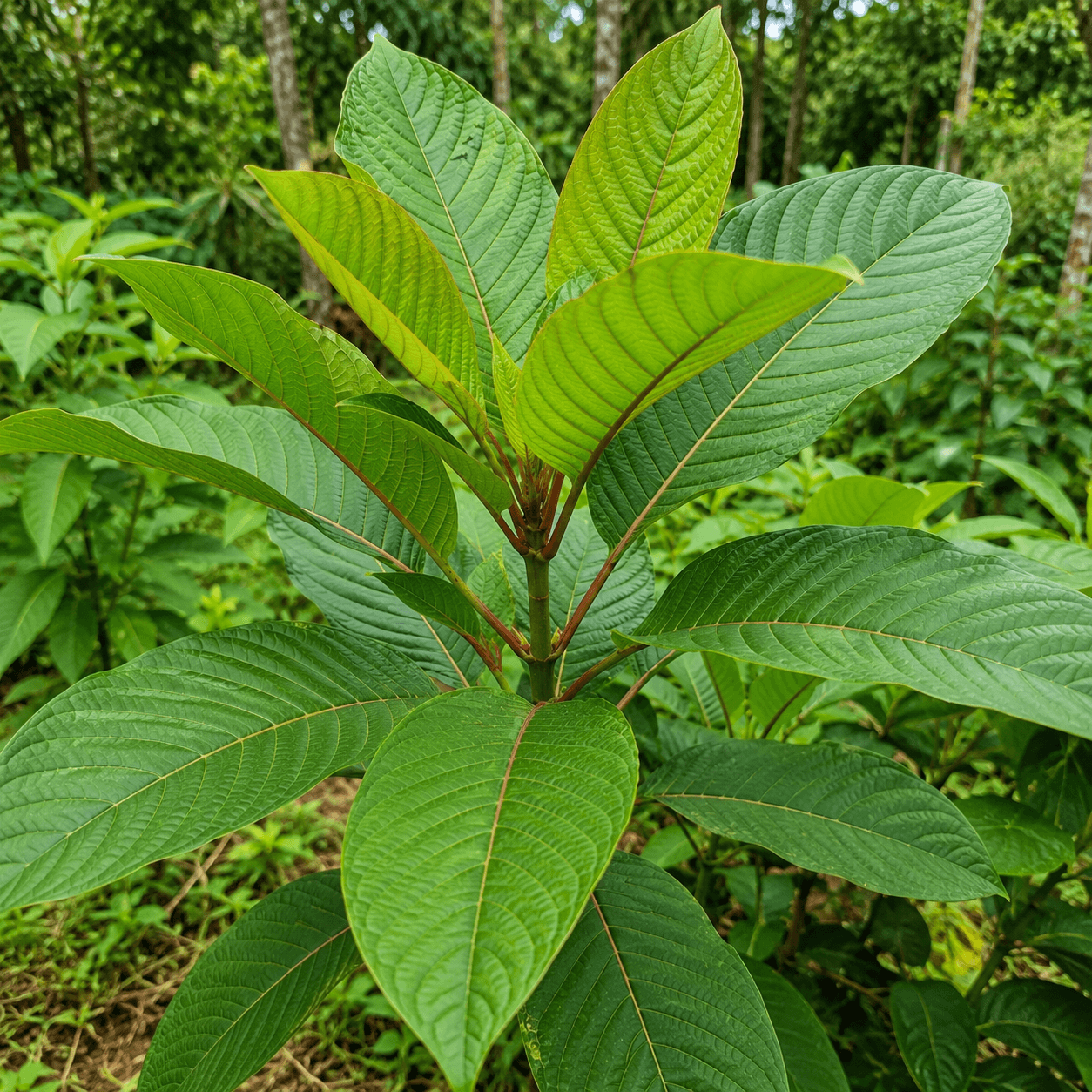
Kratom
Mitragyna speciosa
Southeast Asian botanical with opioid receptor activity. Significant dependence, withdrawal and interaction risks. Evidence base is limited.
Key caution
Opioid receptor activity — dependence and withdrawal risk analogous in some respects to opioids
Editorial review status — shown for transparency
AI Context
Deterministic summaries of curated archive data. Not medical advice. Not a use guide.
Kratom: profile overview
Kratom is a botanical with limited evidence quality and a elevated risk profile. Southeast Asian botanical with opioid receptor activity. Significant dependence, withdrawal and interaction risks. Evidence base is limited. Individual responses vary significantly. This summary is drawn from the curated SubsAtlas archive.
- Risk profile: Elevated — elevated concern reflecting meaningful risks or significant interaction potential.
- Evidence quality: Limited — early or narrow research — uncertainty is significant.
- Key caution: Opioid receptor activity — dependence and withdrawal risk analogous in some respects to opioids
- Interaction concerns noted with: Opioids, Alcohol, Benzodiazepines.
- Primary compounds: Mitragynine, 7-hydroxymitragynine.
Opioid receptor activity — dependence and withdrawal risk analogous in some respects to opioids
Limitations
- Based on curated SubsAtlas archive data only.
- Not medical advice. Not legal advice. Not a use guide.
- Individual responses vary. Source review is ongoing.
- Do not rely on this for personal decisions.
AI Context summarizes curated SubsAtlas archive data only. Not medical advice. Not legal advice. Not a use guide. No external AI calls are made.
Quick Facts
Concise educational context for orientation. Effects and risks vary.
Category
botanical
Main compounds
Mitragynine, 7-hydroxymitragynine
Reported profile
Stimulant-like alertness at lower amounts, Sedation at higher amounts, Nausea, Physical dependence with regular use, Withdrawal on cessation
Onset range
General context varies
Duration range
General educational range only
Main caution
Opioid receptor activity — dependence and withdrawal risk analogous in some respects to opioids
Body & Mind Map
Visual summary of reported effect patterns. Effects vary.
Community Signal
Community Signal is based on anonymous structured reports. It does not represent a recommendation.
Common warning
Preview signal — not from live moderated reports. Opioid receptor activity, dependence and withdrawal risk are central documented concerns.
Risk awareness
Clear cautions, uncertainty and interaction concerns. This is not medical advice.
Main risks
- Opioid receptor activity — dependence and withdrawal risk analogous in some respects to opioids
- Withdrawal from regular use is documented and can be significant
- Serious interaction risk with opioids — combining can be fatal
- Avoid combining with alcohol, benzodiazepines or other CNS depressants
- Evidence base is limited — long-term safety data is insufficient
Avoid if…
- You have relevant medical concerns without professional guidance
- You are in an unsafe setting
- You need to drive or operate machinery
Do not combine with…
- Opioids
- Alcohol
- Benzodiazepines
- Sedatives
- Other CNS depressants
Medical caution
- Review medication interactions with a qualified professional
- Seek professional help for medical concerns
Unknowns
- Product quality may vary
- Individual response varies
- Evidence may be incomplete
Interaction Warnings
Interaction concerns are shown for risk awareness only. SubsAtlas does not describe any combination as safe.
- Kratom's opioid receptor activity means interaction with opioids carries risk of additive respiratory depression, which can be fatal. Combining with alcohol, benzodiazepines or other CNS depressants significantly compounds sedation and risk. Kratom may also affect liver enzyme activity and medication metabolism.
General onset
General context varies
Peak
Varies by substance, product and person
Duration
General educational range only
After effects
May vary; monitor uncertainty and risk context
Timeline ranges are general educational context, not instructions.
Sources
Evidence quality, source type and review context are separated from community patterns.
Sources need editorial review
Sources listed here have not yet completed editorial review. They are shown for transparency, not as verified citations. What source review means
Curated kratom risk profile
editorial source · Reviewed 2026-05-16
Source status: needs-review · How source review works
Legal context
Legal status varies by country, state and local regulation. This is educational context only — not legal advice.
Kratom legal status varies significantly by country and region. It is prohibited or controlled in several countries and some US states, while remaining legal and unregulated in others. Regulatory status is actively evolving. This profile is for educational context only.
Legal status varies by country, state and local regulation. SubsAtlas provides educational context only and does not provide legal advice, sourcing or buying guidance.
Legal context requires ongoing review as laws change. How legal context works
Similar Entries
Related educational profiles for comparison and context.
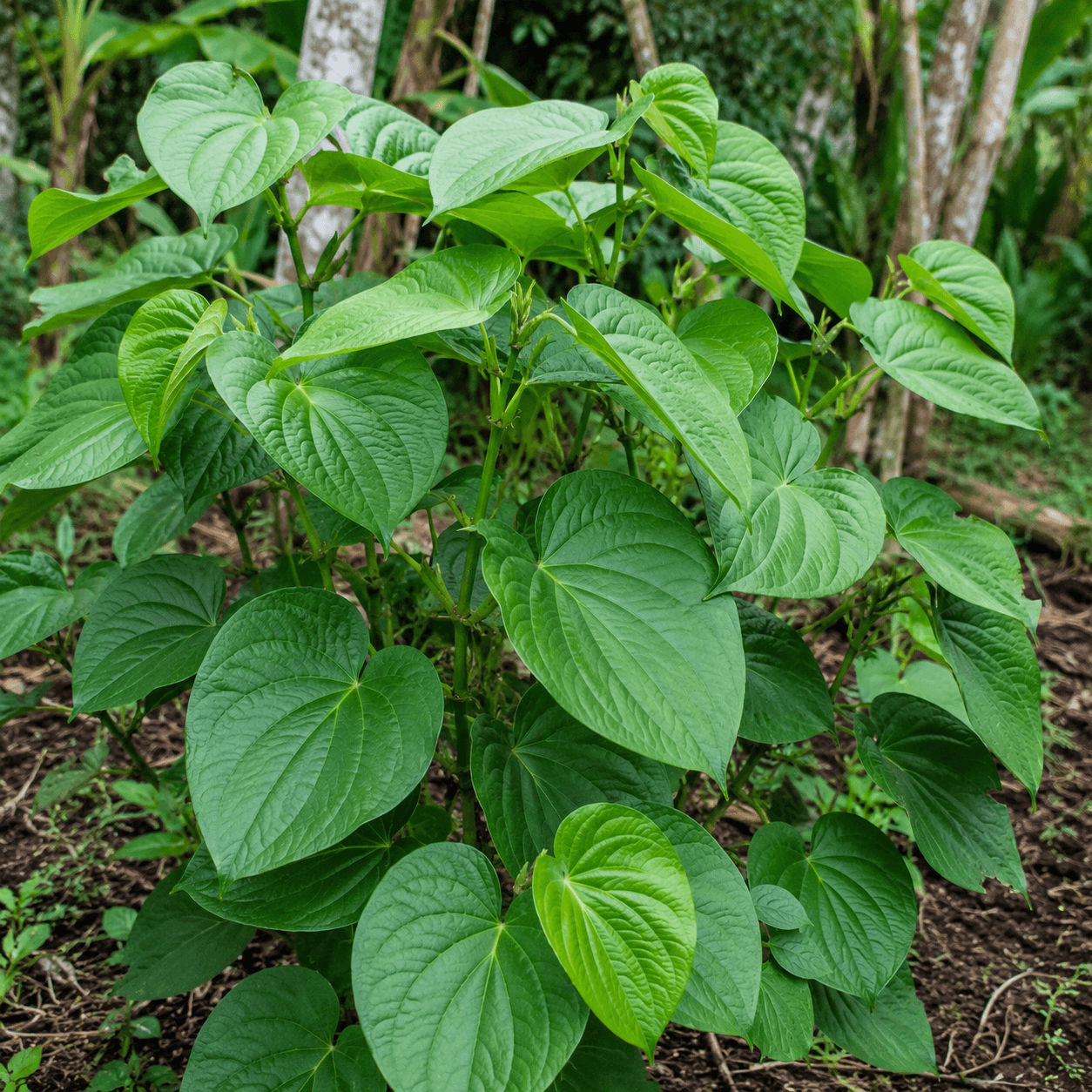
Kava
Traditional Pacific botanical associated with calm and social ease. Liver safety concerns and interaction risks with alcohol and sedatives are key documented cautions.
Main caution
Liver toxicity has been associated with kava use — regulatory advisories exist in some countries
Legal: Legal context varies
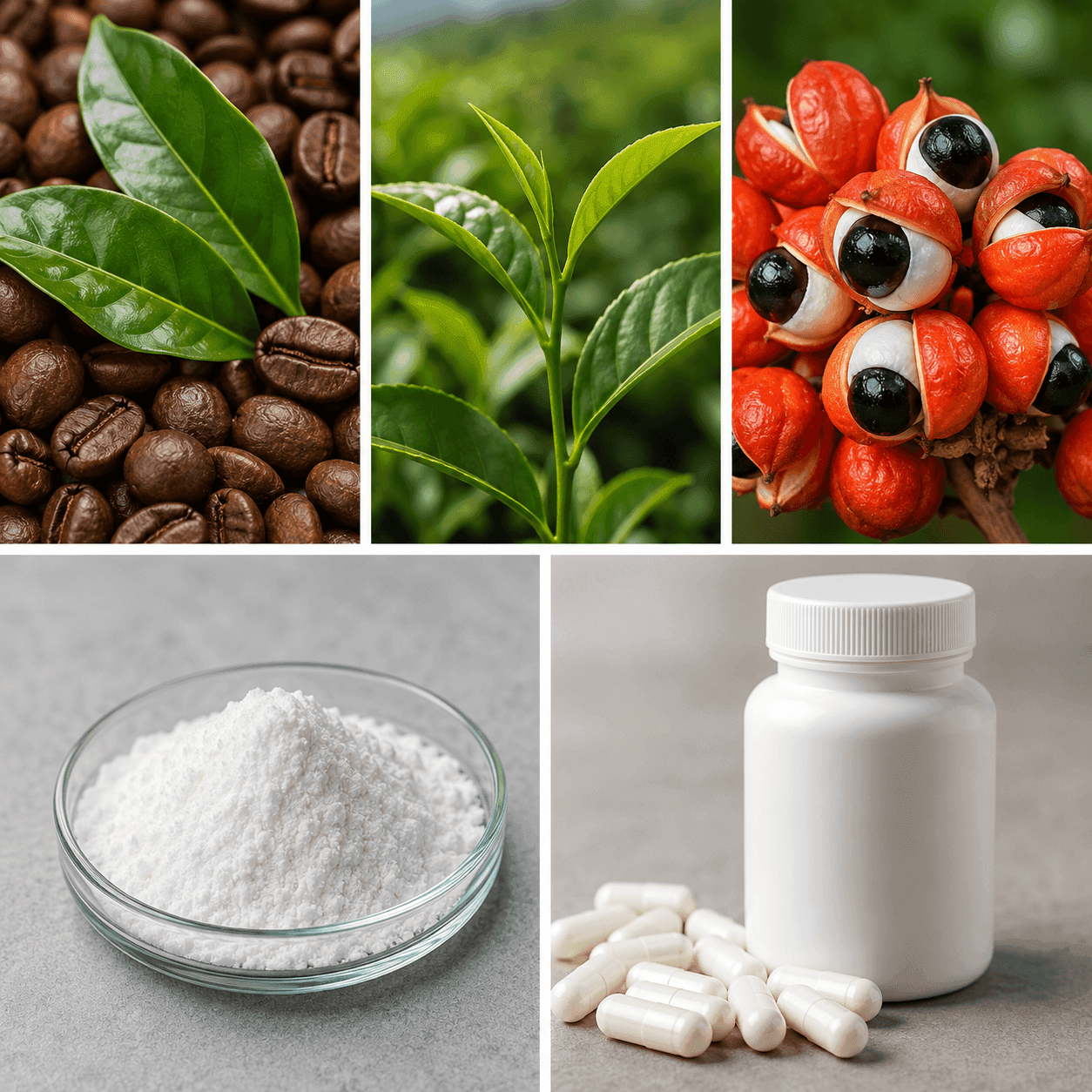
Caffeine
Common stimulant with strong evidence, documented anxiety, sleep disruption, dependence and interaction concerns at regular or high-dose use.
Main caution
Anxiety, jitteriness and elevated heart rate — especially at higher intakes
Legal: Legal context varies

Alcohol
Legal CNS depressant with well-documented impairment, dependence, organ health risks and extensive interaction concerns across many substances and medications.
Impaired judgment and coordination — do not drive or operate machinery
Legal: Legal context varies
Partner Resources
Education resources editorially separate from risk ratings and evidence content.
Botanical & Fungi Science — Course
PreviewEducation Partner · Course
An academic introduction to botanical pharmacognosy and fungal biochemistry. Covers plant and fungi secondary metabolites, traditional use contexts and scientific research methods. No use guidance.
Partner link. We may earn a commission. Editorial content remains independent.
Risk ratings and evidence levels are not influenced by partners.
Partner resource preview — not yet active
Partner resources never affect risk ratings or evidence levels. Disclosure policy
Related comparisons
Structured educational comparisons featuring this profile.
Related guides
Educational guides with relevant context for this profile.
Contribute a structured report
Help future Community Signal summaries by submitting a structured educational report. Reports are stored locally in this MVP and are not published publicly.
Educational information only. Not medical advice. No personalized dosing, sourcing, preparation or optimization guidance.