Legal context explained: why status varies by region
Legal status for psychoactive and pharmacologically active substances varies significantly by country, state, region and local law. SubsAtlas provides educational context on this variability — not legal advice or sourcing guidance.
Educational context
This guide provides educational context only. It is not a use guide, medical advice, legal advice, dosing guidance or sourcing guidance.
Context
Why legal status varies
Substance legal status is determined by national and regional law — and these laws differ substantially across the world, and within countries by state or province. A substance controlled at the federal level may be regulated differently at the state level. International drug treaties, domestic scheduling systems and harm-reduction policy approaches all contribute to this variation. Laws also change over time, often faster than educational resources can be updated.
SubsAtlas legal context does not confirm that any substance is legal in your jurisdiction. Always verify current local law through official government sources or qualified legal professionals. This is not legal advice.
What SubsAtlas shows
What legal context on SubsAtlas includes
SubsAtlas provides a general legal status characterisation for each profile — whether a substance is broadly legal, restricted, controlled, prescription-only or prohibited in most documented contexts. This is accompanied by a source review status and a note that laws vary by jurisdiction. Legal context is educational background — not a current, jurisdiction-specific legal opinion.
- General legal status characterisation for awareness.
- Note that legal status varies by country, state and local regulation.
- Indication of editorial review status for legal content.
- Link to Trust Center for context on how legal review works.
What SubsAtlas does not include
What legal context on SubsAtlas does not cover
SubsAtlas does not provide legal advice, jurisdiction-specific opinions, sourcing guidance, purchasing guidance, import or export advice, or guidance on navigating legal restrictions. Legal context information on SubsAtlas is educational only — it is not verified legal opinion and it is not real-time data.
If you need specific legal information for your jurisdiction, consult official government sources or a qualified legal professional.
Illustrative examples
Examples of legal variability
Cannabis is legal for recreational use in some countries (Canada, the Netherlands in regulated form, some US states) and prohibited in others. CBD legal status varies by THC content thresholds. Kratom is legal in some US states and prohibited in others; its status differs in Europe. Psilocybin has been decriminalised or permitted for clinical research in some jurisdictions while remaining controlled in most. These examples illustrate variability — they are not current legal opinions.
Editorial transparency
Legal review status transparency
Legal context on SubsAtlas profiles carries a source review status. Most profiles are currently marked as 'needs-review' for their legal context. This reflects honest editorial transparency — legal content has not been independently verified for every jurisdiction. Profiles should not be used as authoritative legal sources.
Related profiles
Substance profiles relevant to this guide. For educational context and risk awareness.
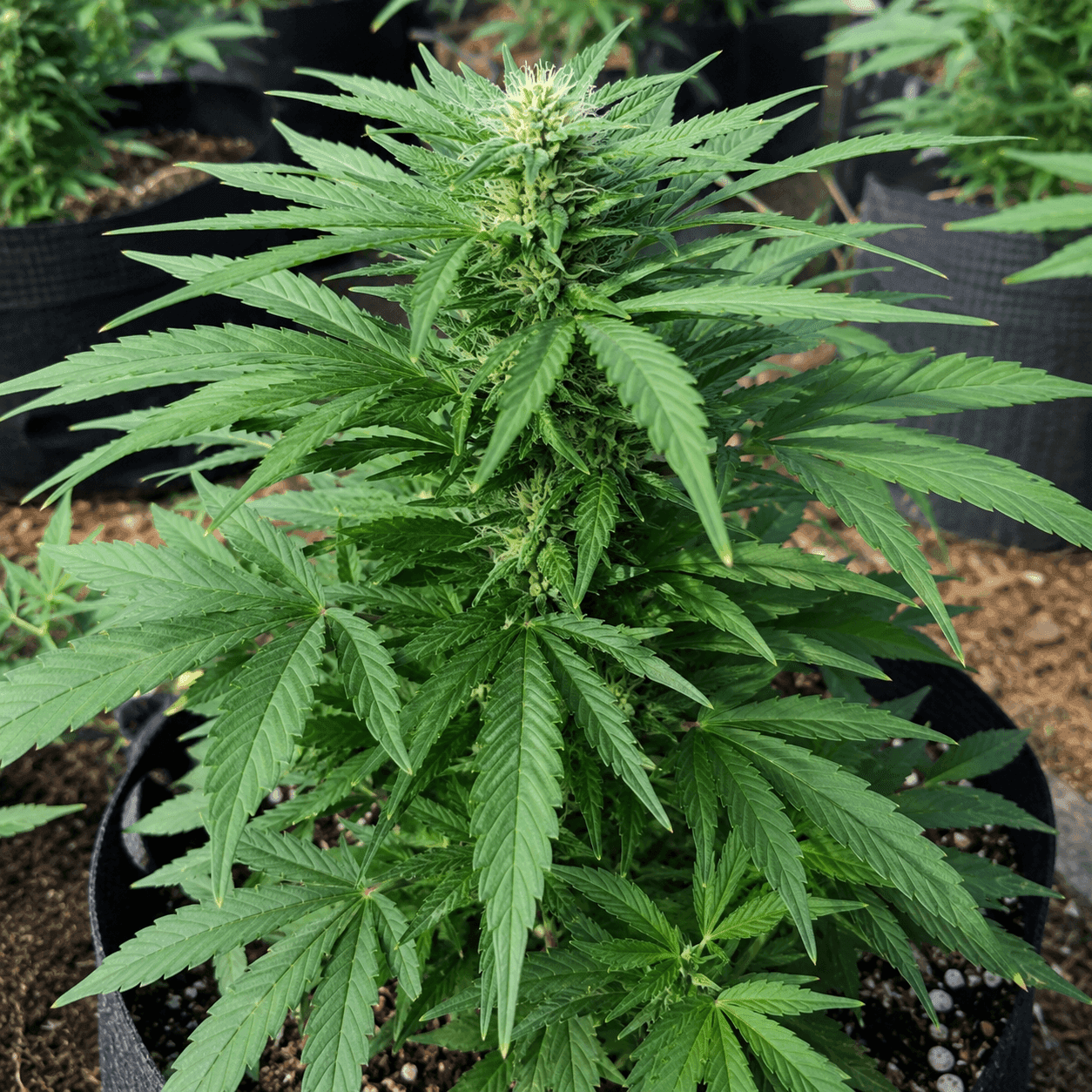
Cannabis
Plant profile covering cannabinoids, terpenes, reported effects, impairment, dependence, legal variation and risk context across a wide range of products.
Main caution
Impaired coordination, memory and judgment — do not drive or operate machinery
Legal: Legal context varies
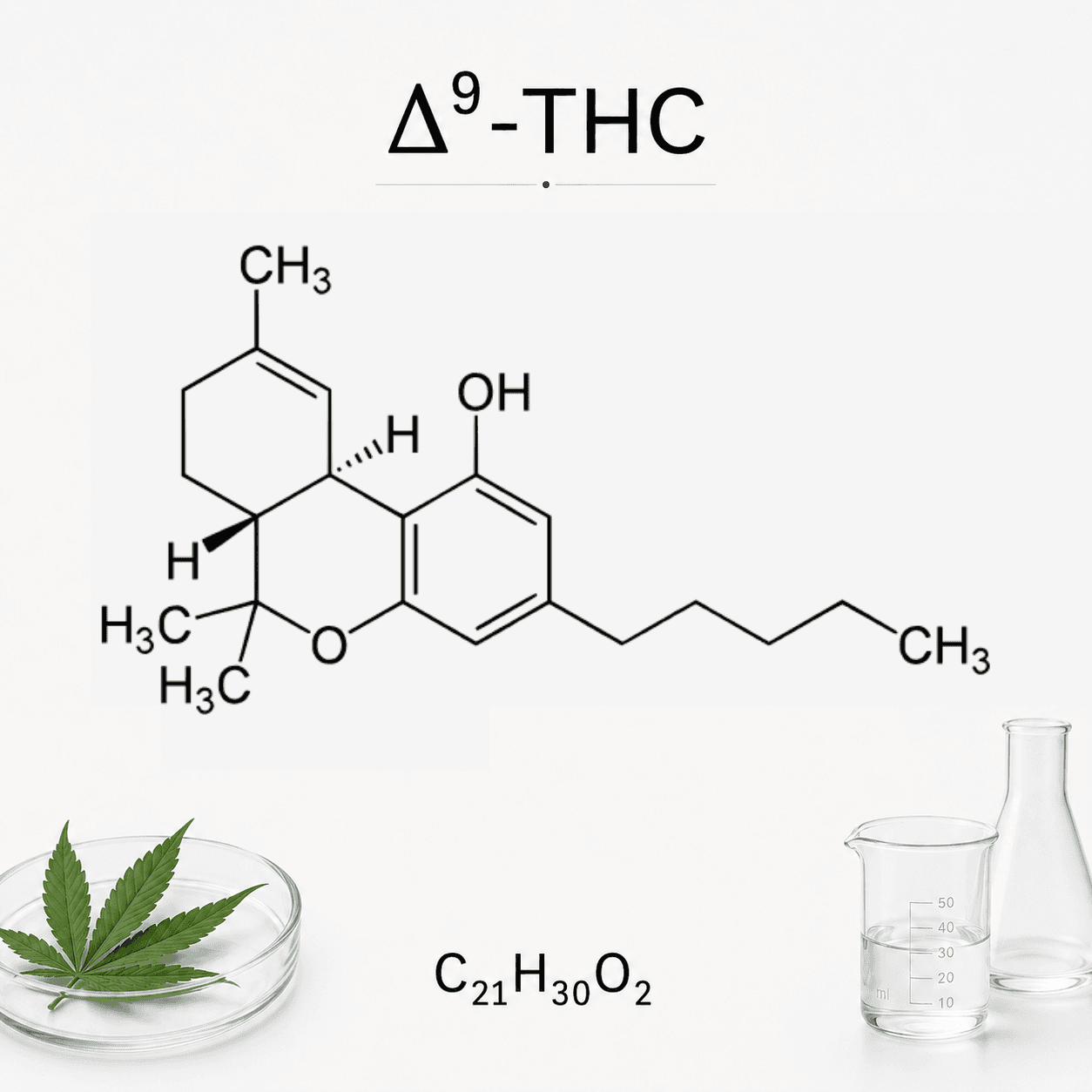
THC
Primary intoxicating cannabinoid in cannabis. Clear impairment risks, dependence potential and adverse mental health outcomes at high-dose or regular use.
Main caution
Impaired memory, attention and psychomotor function — do not drive or operate machinery
Legal: Legal context varies
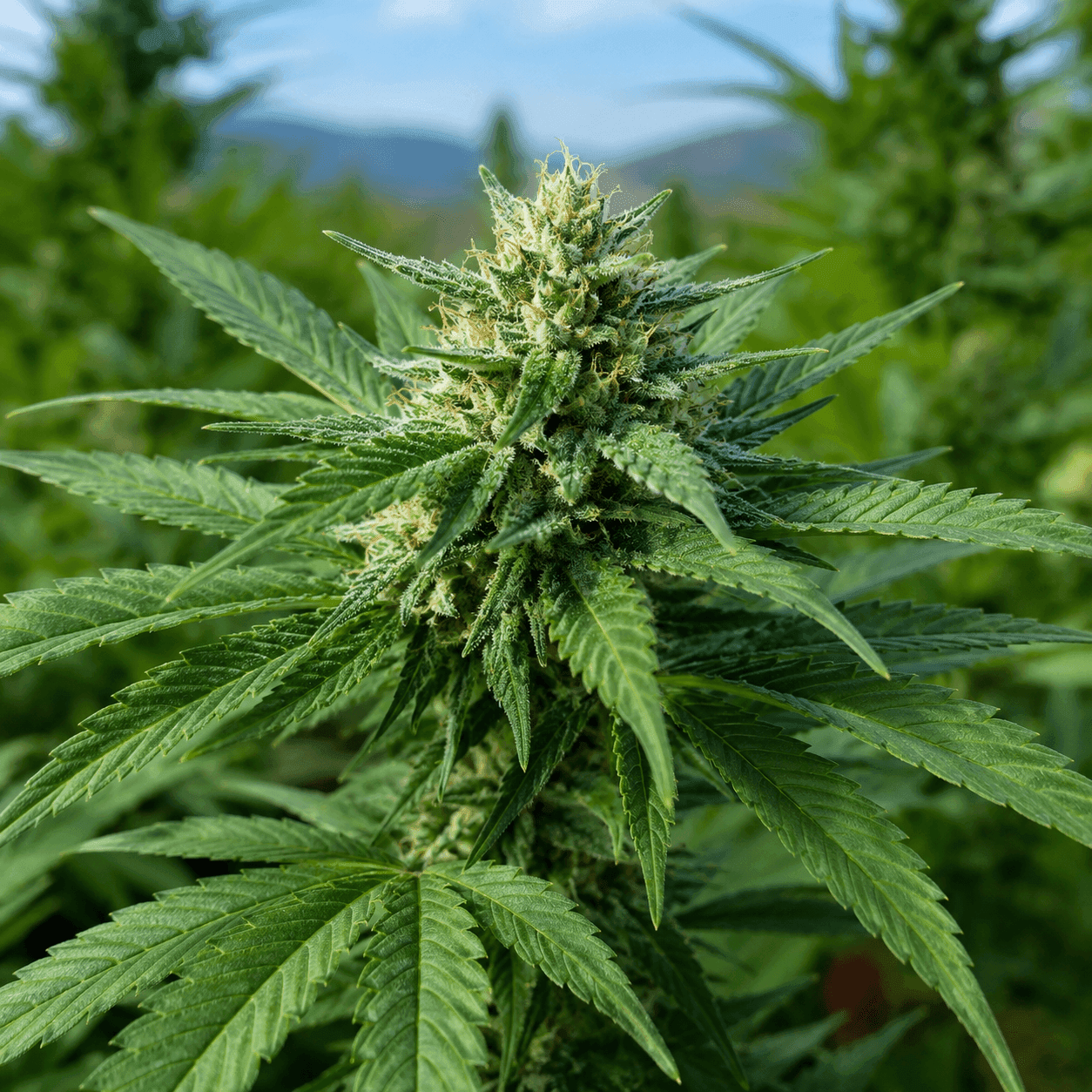
CBD
Non-intoxicating cannabinoid discussed for calm and sleep support. Medication interaction concerns and significant product quality variation are key considerations.
Main caution
Significant drug interaction potential — CBD affects liver enzymes that metabolise many medications
Legal: Legal context varies
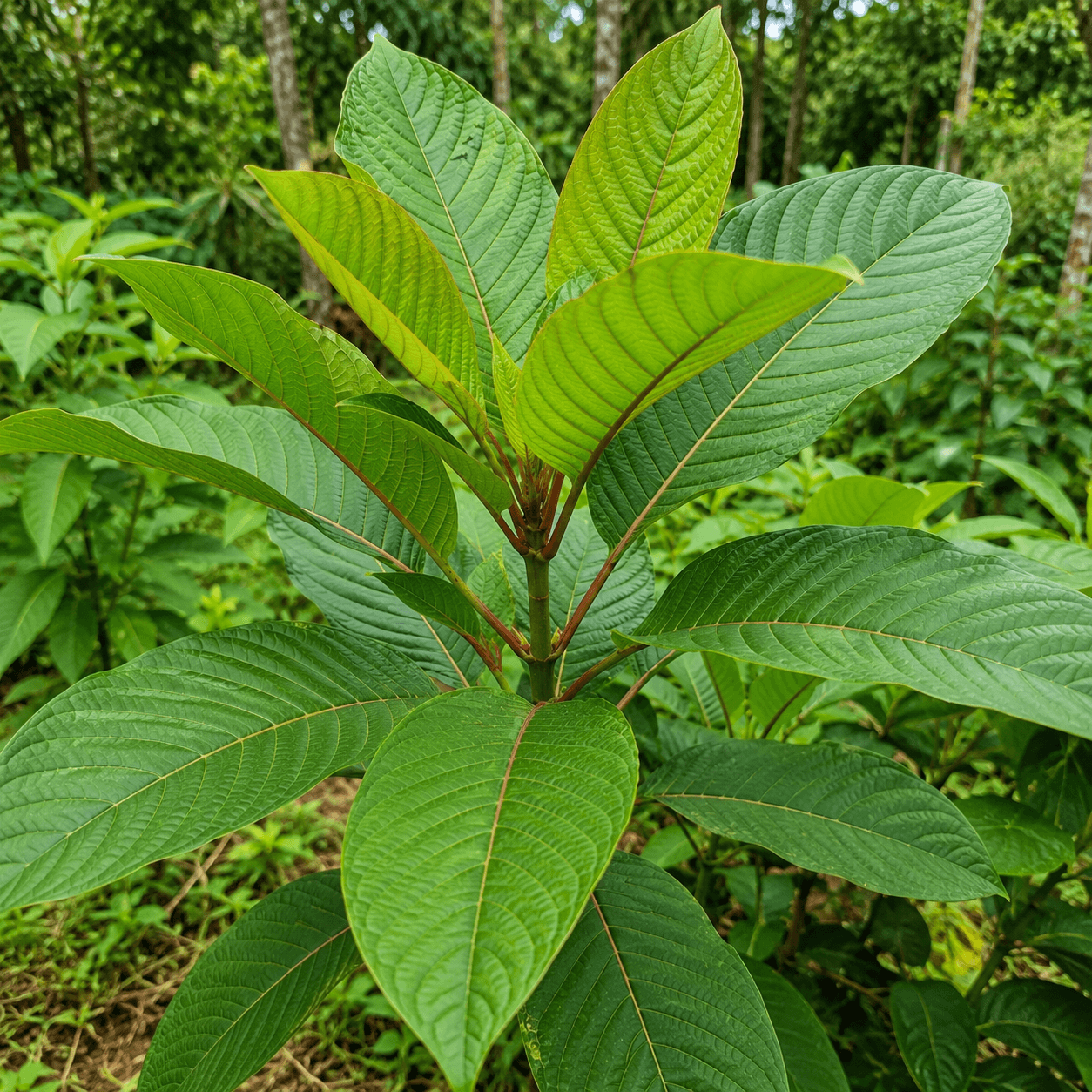
Kratom
Southeast Asian botanical with opioid receptor activity. Significant dependence, withdrawal and interaction risks. Evidence base is limited.
Main caution
Opioid receptor activity — dependence and withdrawal risk analogous in some respects to opioids
Legal: Legal context varies

Psilocybin Mushrooms
Psilocybin-containing fungi with intense psychological effects, high anxiety potential and serious legal restrictions in most jurisdictions.
Psychological distress, panic reactions and difficult psychological experiences are documented risks — particularly at higher exposures
Legal: Restricted / controlled
Trust Center context
Relevant sections of the Trust Center that explain how SubsAtlas works.
Related guides
Other educational guides with related context.
THC vs CBD: effects, risks and evidence
Kava vs Kratom: reported profiles and risk context
Amanita Muscaria vs Psilocybin Mushrooms: why they should not be confused
Educational context only. Not medical advice, legal advice, dosing guidance, sourcing guidance or a use guide. Effects, risks and legal status vary by individual, product and jurisdiction.