Amanita Muscaria vs Psilocybin Mushrooms: why they should not be confused
Amanita muscaria and psilocybin mushrooms are frequently confused by the general public, but they have entirely different pharmacological profiles, different active compounds, and different risk contexts. This guide explains why confusing them can be dangerous — not as a guide to identification or use.
Educational context
This guide provides educational context only. It is not a use guide, medical advice, legal advice, dosing guidance or sourcing guidance.
Background
Why the confusion matters
Amanita muscaria (fly agaric) and psilocybin-containing mushrooms are visually and culturally associated in ways that lead to frequent misidentification and mischaracterisation. They are not interchangeable. They do not contain the same compounds. Their effects, risks and safety profiles are fundamentally different. Understanding this distinction is important safety context.
This guide is educational context — not a mushroom identification guide. Wild foraging carries serious risk of poisoning from misidentification. The Amanita genus contains some of the world's most toxic mushrooms.
Pharmacology
Different compounds, different pharmacology
Psilocybin mushrooms contain psilocybin and psilocin, which primarily act on serotonin receptors. Amanita muscaria contains muscimol and ibotenic acid. Muscimol acts on GABA-B receptors, producing sedative and dissociative effects. Ibotenic acid is a neurotoxic compound. These are distinct mechanisms producing different effects and different risks. Ibotenic acid's neurotoxicity is a safety concern not present with psilocybin.
- Psilocybin mushrooms: psilocybin and psilocin (serotonergic).
- Amanita muscaria: muscimol and ibotenic acid (GABA-ergic and neurotoxic).
- Different receptor systems, different effect profiles, different risk contexts.
- Ibotenic acid is neurotoxic. No equivalent concern exists with psilocybin.
Reported effects
Effect profile differences
Psilocybin is associated with altered visual perception, emotional shifts and changes in the sense of time — effects attributed to serotonergic activity. Amanita muscaria is associated with dreamlike or delirious states, sedation, confusion and loss of coordination — not the visual and perceptual profile of psilocybin. Nausea and vomiting are commonly reported with Amanita muscaria. These are not equivalent experiences.
Safety context
Misidentification risk
The Amanita genus contains some of the world's most toxic species — including Amanita phalloides (death cap) and Amanita ocreata (destroying angel), which are responsible for the majority of fatal mushroom poisonings globally. Wild mushroom foraging for any purpose requires expert knowledge that goes significantly beyond visual pattern recognition. This guide does not and cannot provide identification guidance.
Wild mushroom foraging carries serious risk of fatal poisoning. No visual guide — including images of Amanita muscaria — should be used for identification of wild fungi.
Legal context
Legal context
Psilocybin and psilocin are controlled substances in most jurisdictions. Amanita muscaria's legal status varies by country and product type. Legal context for both is educational information only — not legal advice.
Verify current legal status in your jurisdiction through official government sources. Legal context on SubsAtlas is educational only.
Related profiles
Substance profiles relevant to this guide. For educational context and risk awareness.
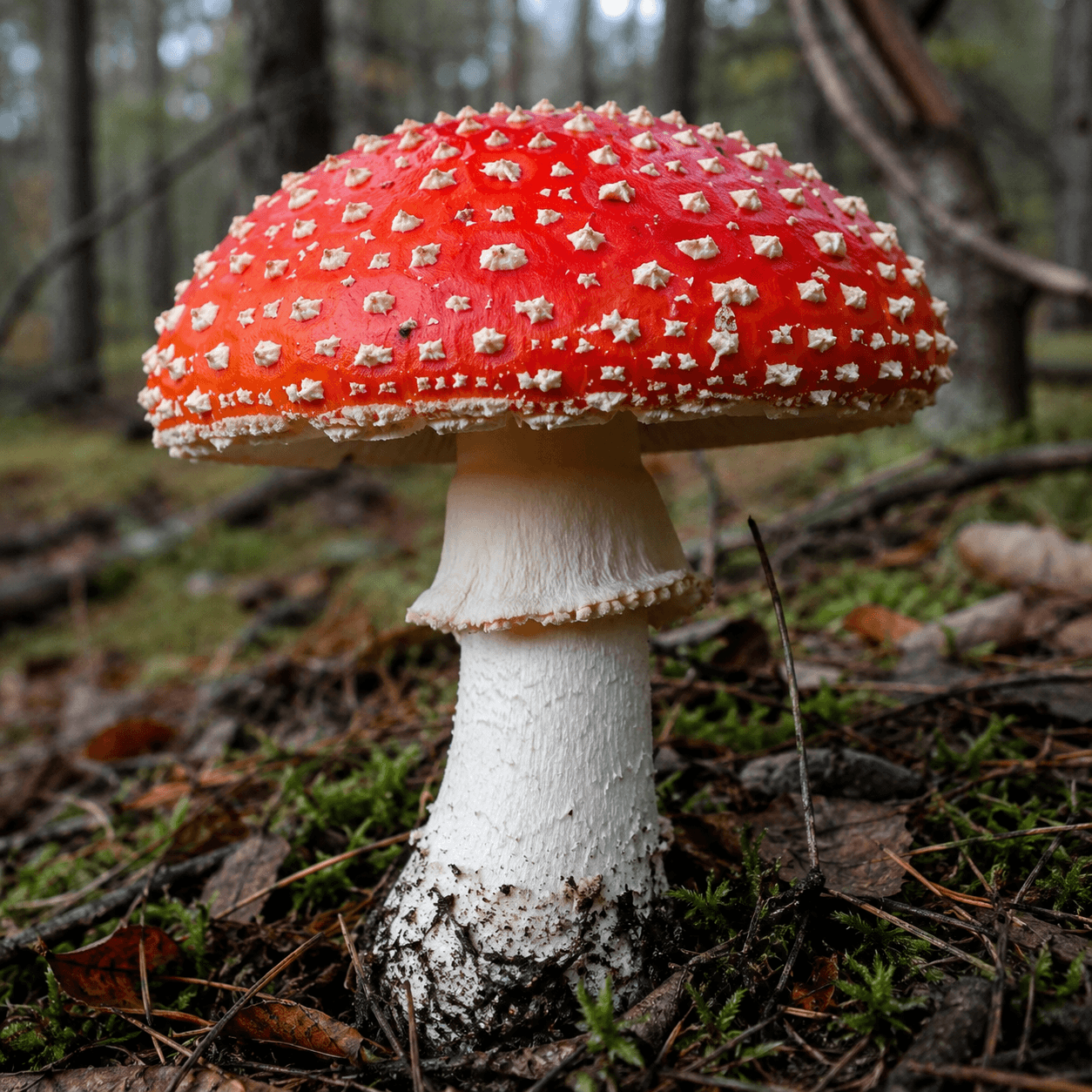
Amanita Muscaria
High-caution fungus with a distinct pharmacological profile from psilocybin mushrooms. Misidentification and ibotenic acid toxicity are serious risks.
Not the same as psilocybin mushrooms — different compounds, different pharmacology, different risk profile
Legal: Legal context varies
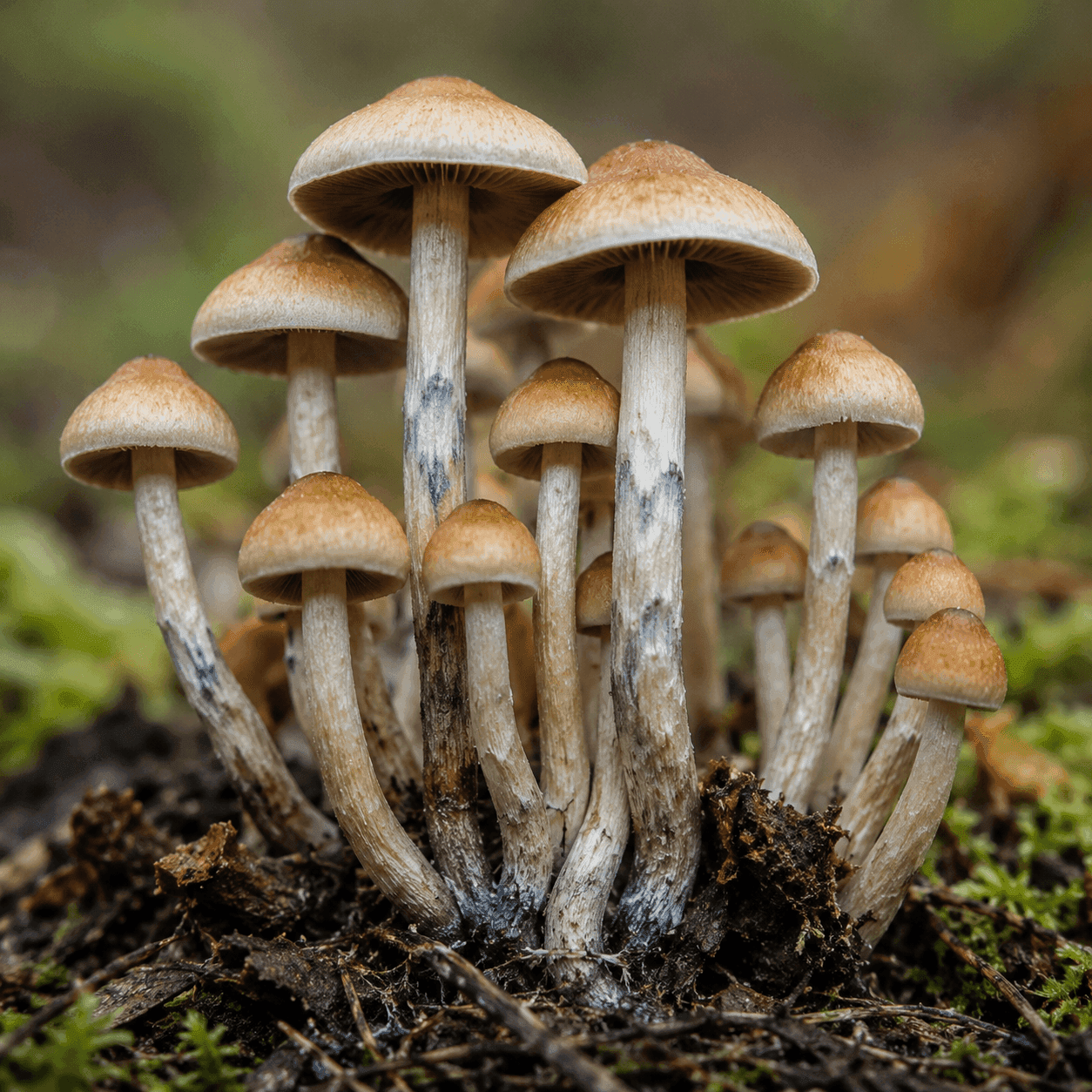
Psilocybin Mushrooms
Psilocybin-containing fungi with intense psychological effects, high anxiety potential and serious legal restrictions in most jurisdictions.
Psychological distress, panic reactions and difficult psychological experiences are documented risks — particularly at higher exposures
Legal: Restricted / controlled
Related comparisons
Structured educational comparisons relevant to this guide.
Related safety topics
Safety topics with relevant risk and interaction context for this guide.
Trust Center context
Relevant sections of the Trust Center that explain how SubsAtlas works.
Related guides
Other educational guides with related context.
Educational context only. Not medical advice, legal advice, dosing guidance, sourcing guidance or a use guide. Effects, risks and legal status vary by individual, product and jurisdiction.