Cannabis terpenes explained: aroma, evidence and uncertainty
Terpenes are aromatic compounds found across many plants — including cannabis — that contribute to scent and flavour. They have attracted significant interest in cannabis culture, but current evidence on their pharmacological effects in humans is limited. This guide explains what terpenes are and what the evidence honestly supports.
Educational context
This guide provides educational context only. It is not a use guide, medical advice, legal advice, dosing guidance or sourcing guidance.
Background
What terpenes are
Terpenes are organic aromatic compounds found widely across the plant kingdom — in cannabis, hops, citrus fruits, pine trees, lavender and many other plants. They are primarily responsible for the scent and flavour characteristics of cannabis. Hundreds of terpenes have been identified in cannabis plants. Common examples include myrcene, limonene, linalool, pinene and caryophyllene.
Evidence
Evidence context
Some terpenes have been studied in laboratory settings and animal research for various properties. However, there is limited high-quality human research specifically on terpene effects from cannabis at typical consumption levels. Many claims made about specific terpenes in cannabis culture significantly exceed what current peer-reviewed evidence supports. This gap between popular claims and available evidence is important context for evaluating information about terpenes.
Evidence quality matters. Many terpene claims in cannabis marketing exceed what current research demonstrates in humans. SubsAtlas applies the same evidence standards to terpenes as to any other claim.
Claimed mechanisms
The entourage effect claim
The "entourage effect" is the hypothesis that terpenes and other cannabis compounds interact with cannabinoids to modify effects. This hypothesis is discussed in the scientific literature but remains an area of active research with limited direct human evidence. The concept is frequently cited in cannabis marketing in ways that go beyond the current evidence base. SubsAtlas presents this as a hypothesis under research — not established fact.
Product context
Product quality and labelling
Terpene content varies significantly across cannabis products, and analytical accuracy of product labelling is inconsistent across markets. Products marketed primarily on terpene content make pharmacological claims that the evidence base does not yet support at meaningful levels of certainty. This is relevant context for interpreting product marketing.
Related profiles
Substance profiles relevant to this guide. For educational context and risk awareness.
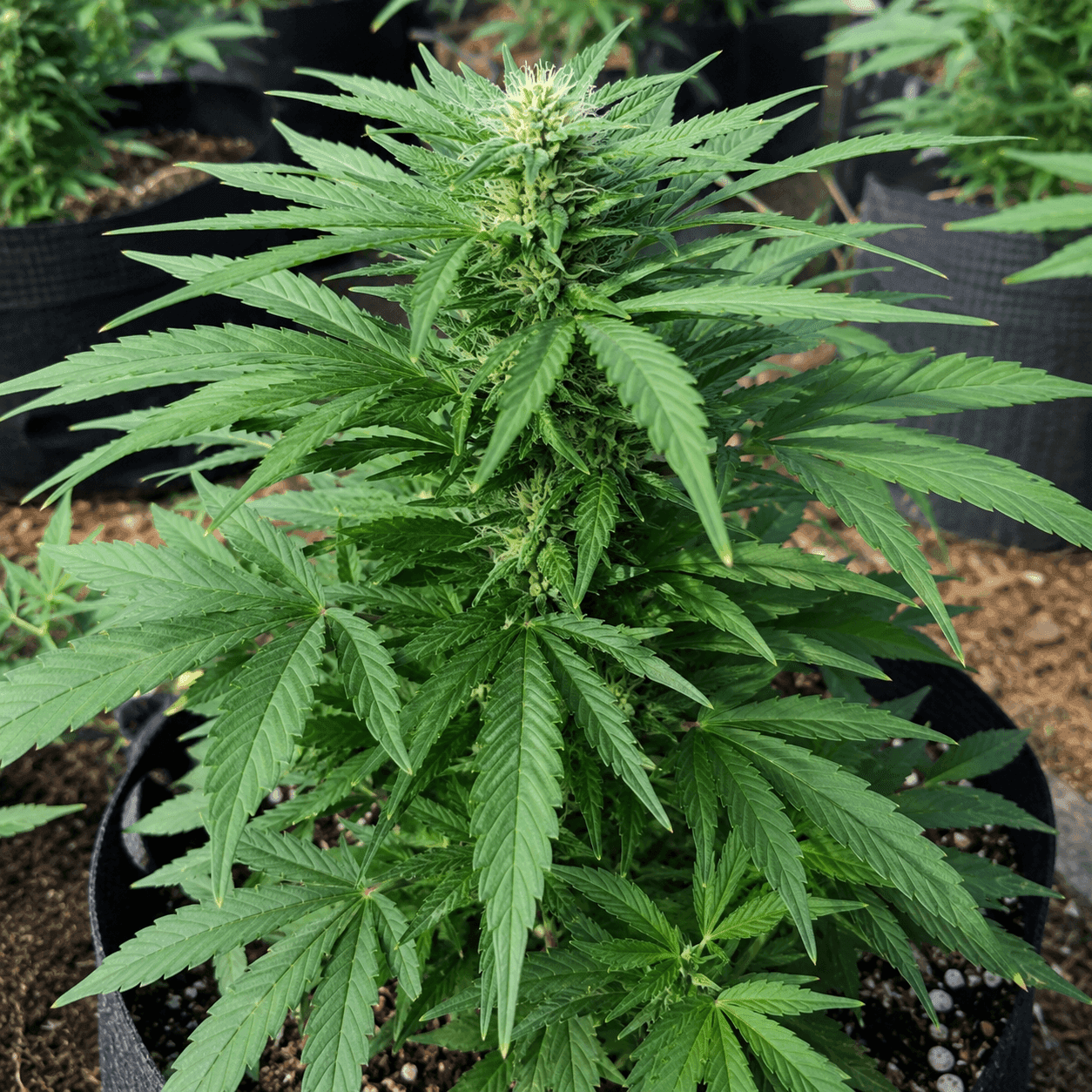
Cannabis
Plant profile covering cannabinoids, terpenes, reported effects, impairment, dependence, legal variation and risk context across a wide range of products.
Main caution
Impaired coordination, memory and judgment — do not drive or operate machinery
Legal: Legal context varies
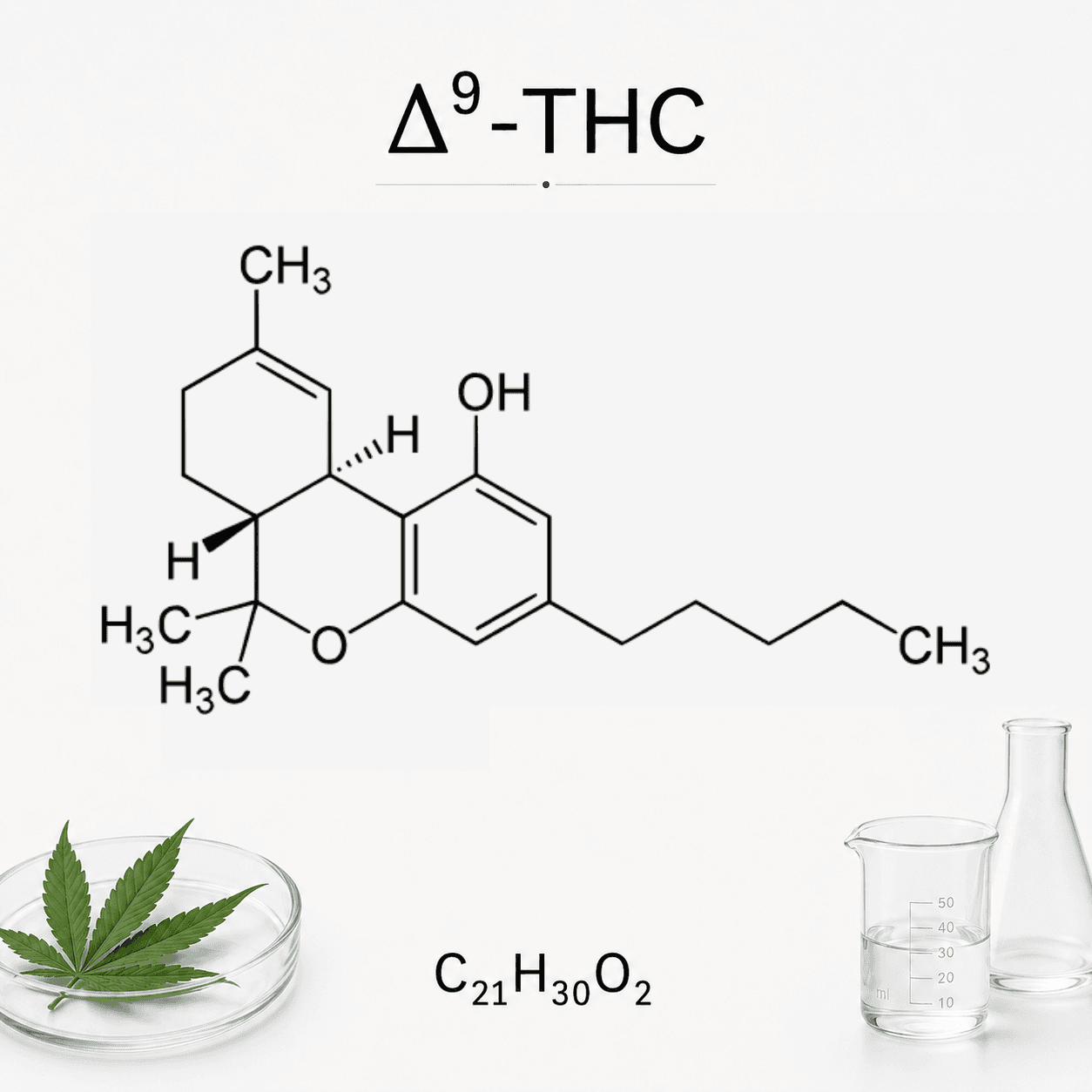
THC
Primary intoxicating cannabinoid in cannabis. Clear impairment risks, dependence potential and adverse mental health outcomes at high-dose or regular use.
Main caution
Impaired memory, attention and psychomotor function — do not drive or operate machinery
Legal: Legal context varies
CBD
Non-intoxicating cannabinoid discussed for calm and sleep support. Medication interaction concerns and significant product quality variation are key considerations.
Main caution
Significant drug interaction potential — CBD affects liver enzymes that metabolise many medications
Legal: Legal context varies
Trust Center context
Relevant sections of the Trust Center that explain how SubsAtlas works.
Related guides
Other educational guides with related context.
Educational context only. Not medical advice, legal advice, dosing guidance, sourcing guidance or a use guide. Effects, risks and legal status vary by individual, product and jurisdiction.