Benzodiazepines and alcohol
Risk awareness around sedation, memory impairment, loss of control, dependence and overdose concerns.
Educational context
This page provides risk awareness and interaction concerns. It is not a use guide and not medical advice.
Key points
Risk awareness context. Not medical advice.
Both can cause sedation and impaired coordination
Memory impairment and loss of control may occur
Dependence and withdrawal concerns require professional support
This page does not provide guidance on combined use
Educational context
Benzodiazepines and alcohol both depress the central nervous system. Their combined effects may be unpredictable and more severe than either alone. Dependence on benzodiazepines can develop, and withdrawal may carry serious risk without professional support. This is educational context only.
Interaction concerns
Shown for risk awareness only. SubsAtlas does not describe any combination as safe.
- Both benzodiazepines and alcohol are central nervous system depressants
- Combined effects may be more severe than either alone
- Memory impairment and loss of coordination may increase significantly
- Dependence can develop with regular benzodiazepine use and withdrawal may be medically significant
Evidence note
The interaction risks between benzodiazepines and alcohol are well-documented. Both substance classes carry dependence risk. Evidence on long-term effects and individual variation is ongoing.
AI Context
Deterministic summary of curated archive data for this safety topic. Not medical advice. Not a use guide.
Benzodiazepines and alcohol
This safety topic covers benzodiazepines and alcohol. Risk awareness around sedation, memory impairment, loss of control, dependence and overdose concerns. The interaction risks between benzodiazepines and alcohol are well-documented. Both substance classes carry dependence risk. Evidence on long-term effects and individual variation is ongoing. This page provides risk awareness context only.
- Both can cause sedation and impaired coordination
- Memory impairment and loss of control may occur
- Dependence and withdrawal concerns require professional support
- This page does not provide guidance on combined use
- Interaction concerns: Both benzodiazepines and alcohol are central nervous system depressants
This is educational context only. Not medical advice. Not a use guide.
Limitations
- This safety topic uses curated SubsAtlas data only.
- Not medical advice. Not a use guide.
- Individual responses and risk contexts vary.
AI Context summarizes curated SubsAtlas archive data only. Not medical advice. Not legal advice. Not a use guide. No external AI calls are made.
Emergency awareness
If someone may be in immediate danger, contact local emergency services now.
Related profiles
Substance profiles relevant to this safety topic. For educational context and risk awareness.
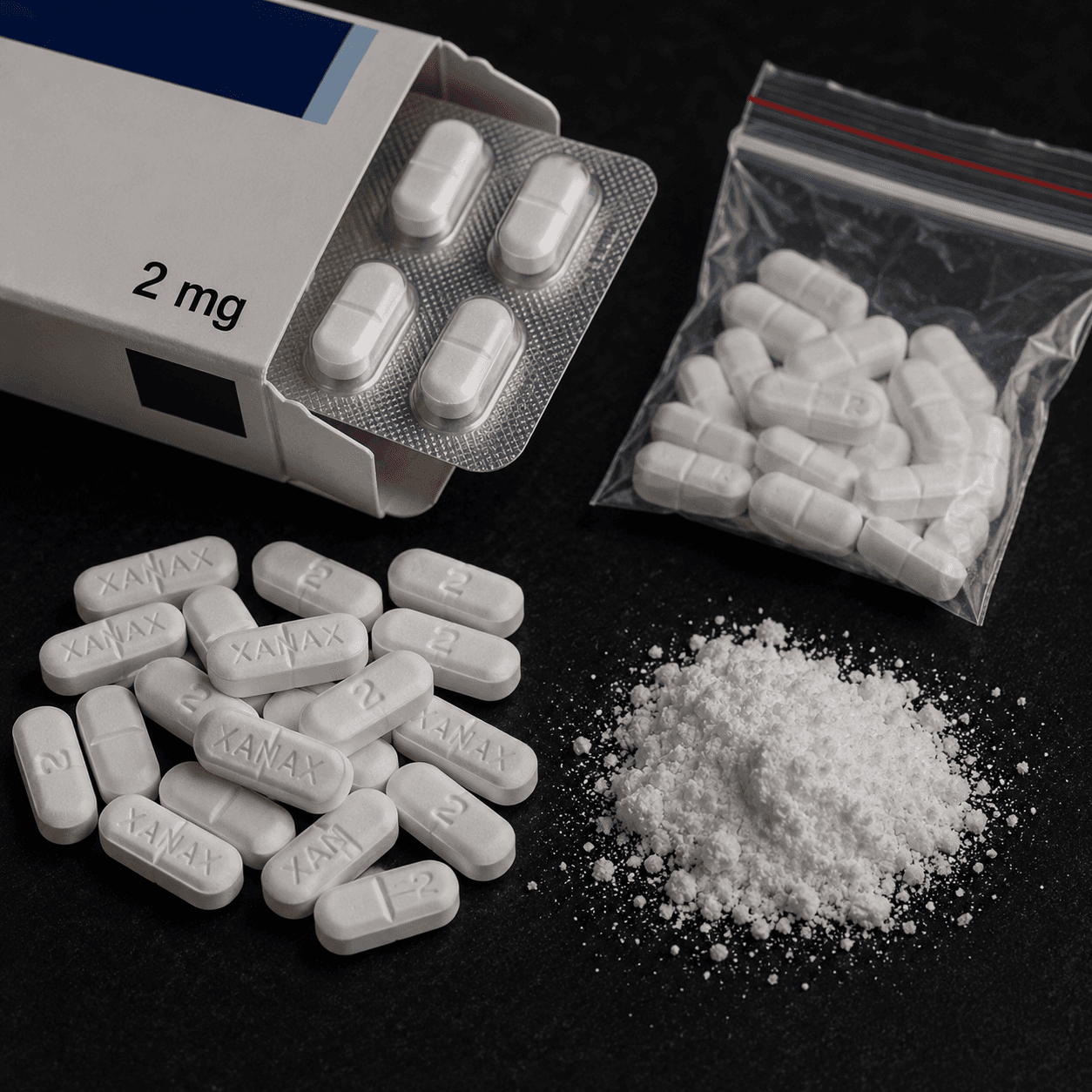
Alprazolam / Xanax
High-risk benzodiazepine profile focused on sedation, dependence, withdrawal and depressant interaction concerns.
High dependence potential — withdrawal can be medically serious or life-threatening
Legal: Prescription-only

Alcohol
Legal CNS depressant with well-documented impairment, dependence, organ health risks and extensive interaction concerns across many substances and medications.
Impaired judgment and coordination — do not drive or operate machinery
Legal: Legal context varies
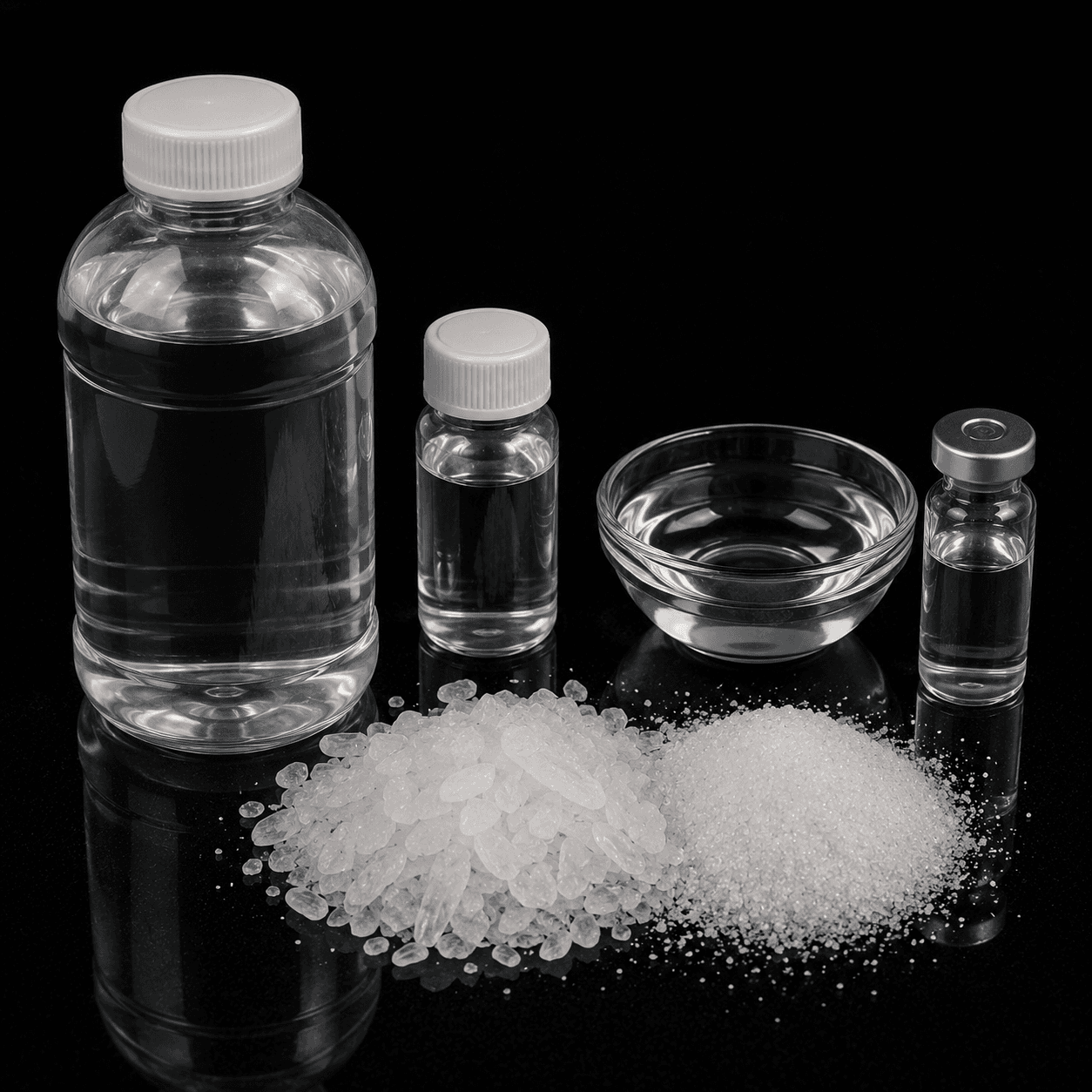
GHB
High-risk depressant profile focused on sedation, overdose, dependence and alcohol interaction concerns.
Extremely narrow margin between sedating and overdose amounts — a defining safety concern
Legal: Restricted / controlled

Heroin
High-risk opioid profile focused on overdose, dependence, sedation and depressant interaction concerns.
High overdose risk — respiratory depression can be fatal
Legal: Prohibited in many regions
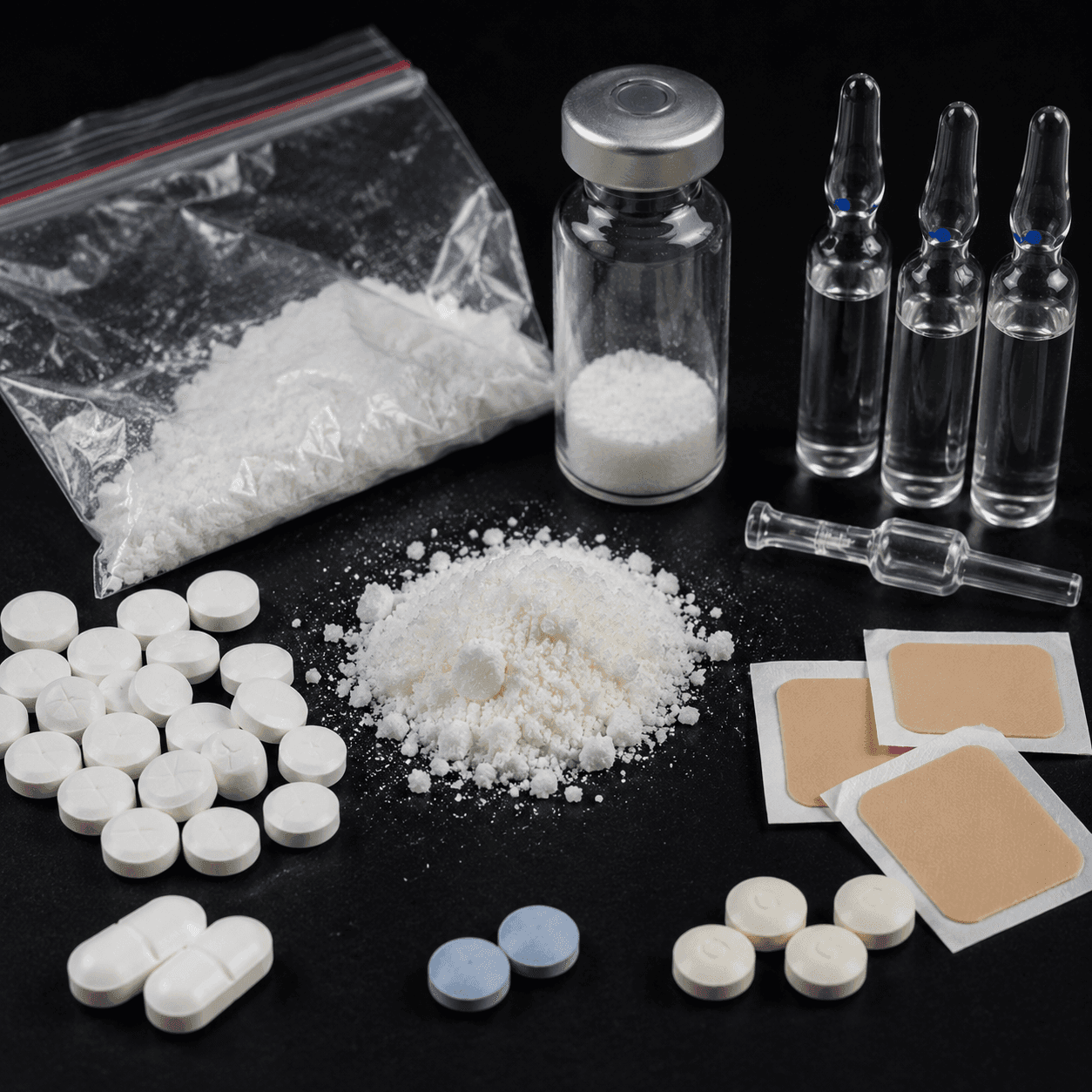
Fentanyl
High-risk opioid profile focused on extreme overdose risk, respiratory depression and depressant interactions.
Extreme overdose risk — respiratory depression can be fatal
Legal: Prescription-only
Related safety topics
Other educational context pages with overlapping substance profiles.
What not to mix with alcohol
Alcohol may increase risk when combined with depressants, opioids, benzodiazepines and other substances.
Opioids and depressants
Combining opioids with depressants may increase sedation, breathing-related risks and overdose concerns.
Dependence and withdrawal
Dependence and withdrawal can occur with several substance classes. Stopping abruptly may carry risks for some substances.
Related comparisons
Structured educational comparisons relevant to this safety topic.
Shareable cards
Visual educational summaries related to this safety topic.
Related guides
Educational guides with relevant context for this safety topic.
Educational information only. Not medical advice. If someone may be in immediate danger, contact local emergency services.