Alcohol vs Alprazolam / Xanax
High-risk education comparison focused on sedation, impairment, dependence concerns and interaction risk awareness.
Educational context
This comparison covers reported effects, risk profiles, evidence quality and interaction concerns. It is not a recommendation, use guide or ranking.

Alcohol
Legal in many countries with age restrictions and regulated sale. Legal status, purchase age and product restrictions vary by country and region. This profile is for educational context only.
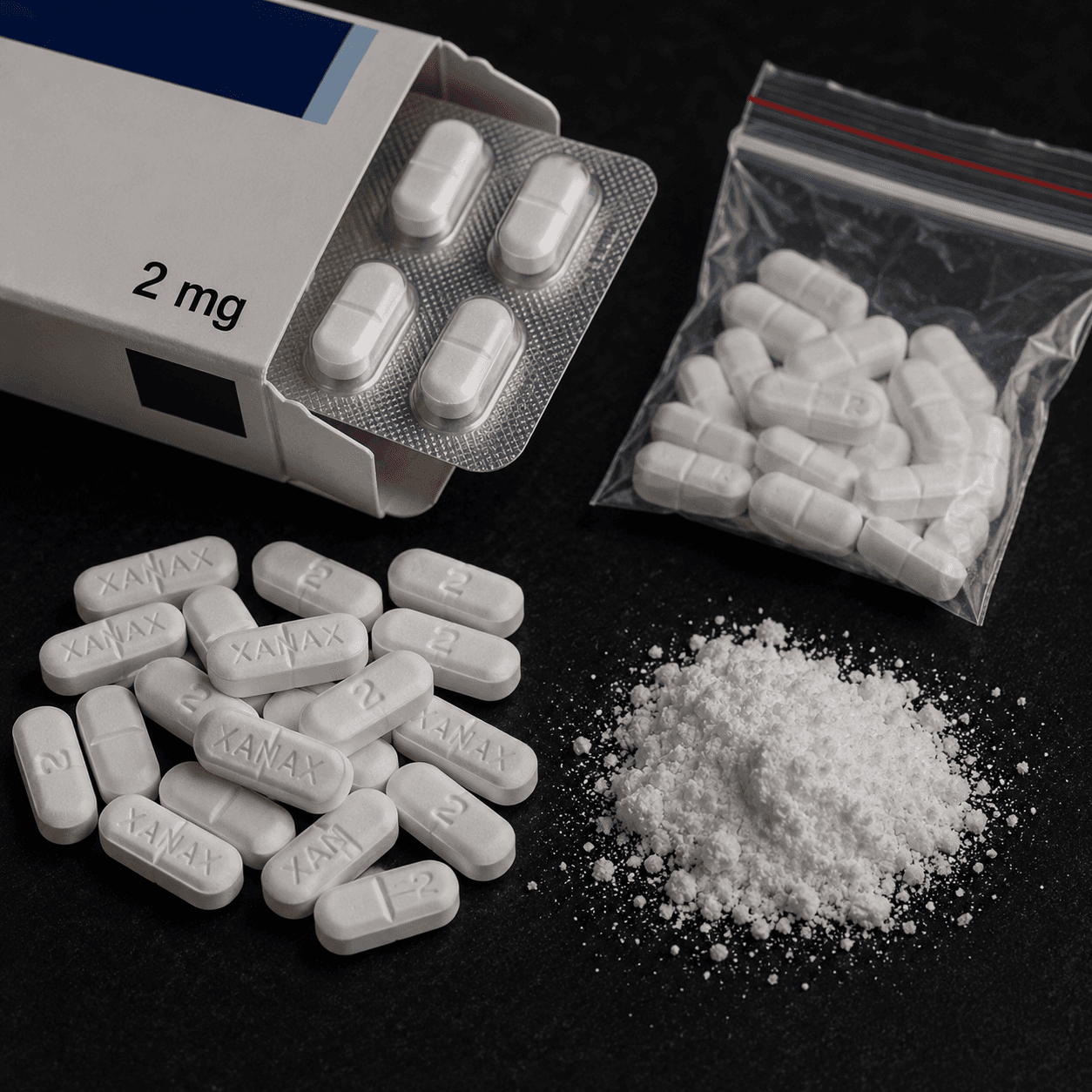
Alprazolam / Xanax
Alprazolam is a controlled substance and prescription-only medication in most countries, with restrictions on prescribing, dispensing and possession that vary by jurisdiction. Non-prescribed possession may carry legal consequences. This profile is for educational context only.
Images are educational visuals. Plant and fungi visuals are not identification guidance.
Education profile
High-risk comparison
This comparison includes high-risk profiles. Use this information for risk awareness and educational context only.
SubsAtlas does not rank substances as better, safer or more suitable.
Education profile
Severe interaction concern
This comparison includes substances with serious interaction or overdose concerns. This page does not provide guidance on combined use.
Compared profiles
Educational profiles for Alcohol and Alprazolam / Xanax.
Alcohol
Legal CNS depressant with well-documented impairment, dependence, organ health risks and extensive interaction concerns across many substances and medications.
Key caution
Impaired judgment and coordination — do not drive or operate machinery
Alprazolam / Xanax
High-risk benzodiazepine profile focused on sedation, dependence, withdrawal and depressant interaction concerns.
Key caution
High dependence potential — withdrawal can be medically serious or life-threatening
Comparison matrix
Side-by-side educational context. Not a recommendation or ranking.
Alcohol
High-risk educationAlprazolam / Xanax
High-risk educationAI Context
Educational comparison summary from curated archive data. Not a ranking or recommendation.
Alcohol and Alprazolam / Xanax: comparison overview
This is an educational comparison summary of Alcohol and Alprazolam / Xanax, not a ranking or recommendation. Alcohol has a high risk profile with strong evidence quality. Alprazolam / Xanax has a high risk profile with strong evidence quality. SubsAtlas does not rank substances as better, more suitable or preferable.
- Alcohol: High risk, Strong evidence.
- Alprazolam / Xanax: High risk, Strong evidence.
- Alcohol category: Everyday substance.
- Alprazolam / Xanax category: High-risk education.
- Legal context — Alcohol: legal.
- Legal context — Alprazolam / Xanax: prescription only.
This comparison includes high-risk education profiles. AI Context does not provide use or combination guidance.
Limitations
- This is an educational comparison, not a ranking or recommendation.
- Neither substance is described as better, safer or more suitable.
- Based on curated SubsAtlas archive data only.
- Not medical advice. Not legal advice. Not a use guide.
- Individual responses vary. Source review is ongoing.
- Do not rely on this for personal decisions.
AI Context summarizes curated SubsAtlas archive data only. Not medical advice. Not legal advice. Not a use guide. No external AI calls are made.
Key differences
Factual educational distinctions between the two profiles.
Alcohol is a legal psychoactive substance widely consumed in social contexts; alprazolam is a prescription benzodiazepine with controlled-drug status in most jurisdictions.
Both act on GABA-A receptors and enhance inhibitory signalling in the central nervous system.
Benzodiazepine physical dependence can develop rapidly; withdrawal from benzodiazepines can be life-threatening without medical supervision.
Alcohol withdrawal can also be medically serious in dependent individuals.
Alprazolam is prescribed for anxiety and panic disorders under medical supervision; illicit alprazolam sources carry significant product quality risk.
Both substances impair cognition, coordination and judgement — with risks compounding when combined.
Risk context
The combination of alcohol and benzodiazepines such as alprazolam carries severe risk of respiratory depression and is associated with a significant proportion of polydrug overdose deaths. Neither substance should be combined with the other. Dependence on either substance, and particularly on benzodiazepines, requires medical oversight for safe management. This page does not provide withdrawal management or detoxification guidance — those require qualified professional support.
Evidence context
Alcohol has extensive research documentation covering health effects, dependence mechanisms and interaction profiles. Alprazolam and the benzodiazepine class have a well-characterised clinical evidence base including dependence, tolerance and interaction data. Community-reported data for illicit benzodiazepine use carries significant uncertainty, particularly given counterfeit product quality concerns.
Interaction concerns
Shown for risk awareness only. SubsAtlas does not describe any combination as safe.
The combination of alcohol and alprazolam or any benzodiazepine is classified as a severe interaction in clinical pharmacology. Both enhance CNS depression and respiratory depression. Other CNS depressants, opioids and sedating antihistamines compound this risk further. This page does not describe any combination involving either substance as safe. If someone may be in medical distress, contact emergency services immediately.
Legal context
Legal status varies by country, state and local regulation. This is educational context only — not legal advice.
Alcohol
Alcohol is legal in many countries, typically with age restrictions, regulated sale and context-specific restrictions. Legal status, purchase age and specific product regulations vary by country, state and local law. This profile is for educational context only. SubsAtlas does not provide legal advice or purchasing guidance.
Alprazolam / Xanax
Alprazolam is a prescription-only medication in most countries and a controlled substance with restrictions on prescribing, possession and dispensing that vary by jurisdiction. Non-prescribed possession or use may be illegal. This profile is for educational context only.
Legal status varies by jurisdiction and changes over time. Verify current local law through official sources. How legal context works
Related safety topics
Educational context pages relevant to this comparison.
Benzodiazepines and alcohol
Risk awareness around sedation, memory impairment, loss of control, dependence and overdose concerns.
What not to mix with alcohol
Alcohol may increase risk when combined with depressants, opioids, benzodiazepines and other substances.
Dependence and withdrawal
Dependence and withdrawal can occur with several substance classes. Stopping abruptly may carry risks for some substances.
When to seek emergency help
General emergency awareness — recognizing signs that require immediate contact with emergency services.
Related profiles
Educational profiles with related risk or effect context.
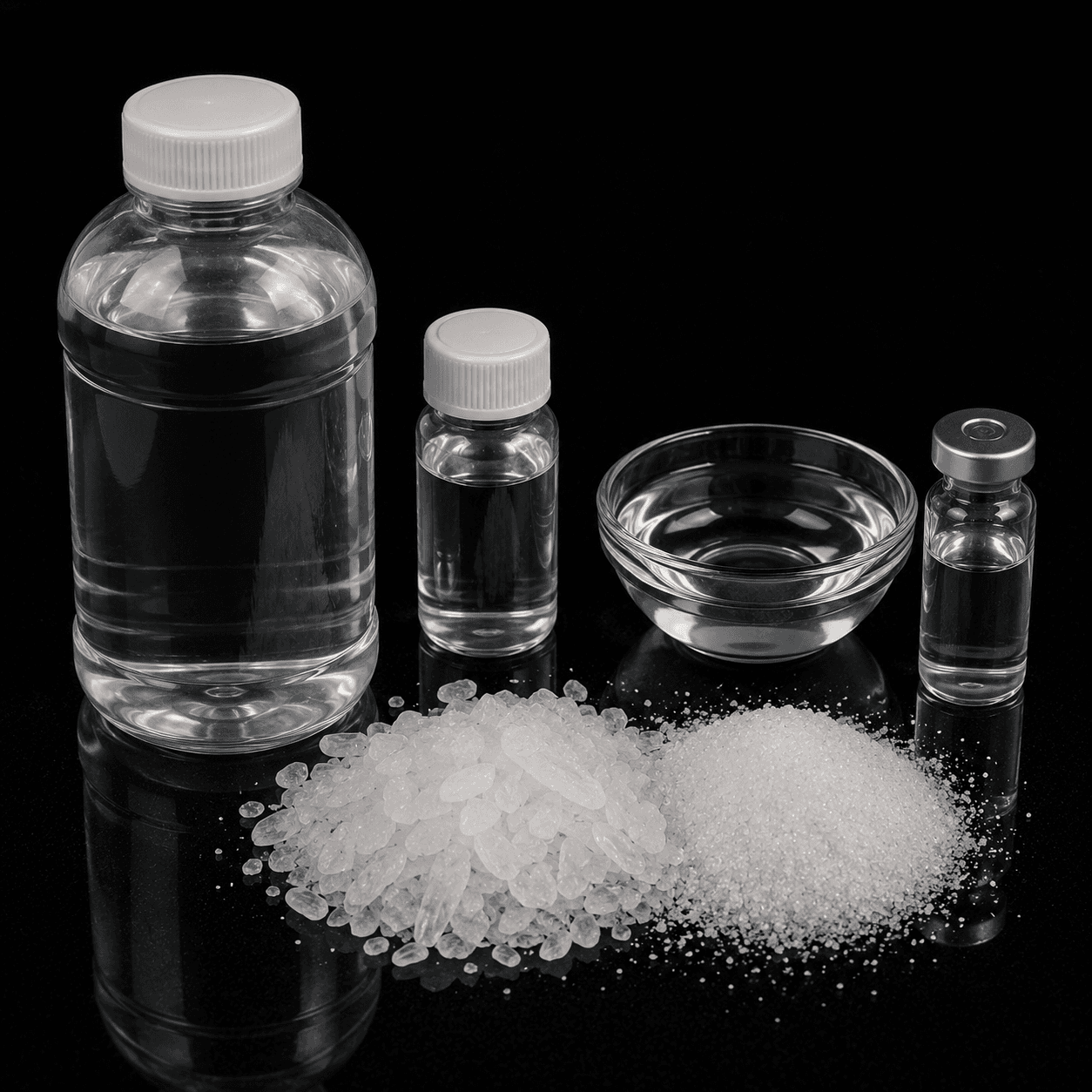
GHB
High-risk depressant profile focused on sedation, overdose, dependence and alcohol interaction concerns.
Extremely narrow margin between sedating and overdose amounts — a defining safety concern
Legal: Restricted / controlled
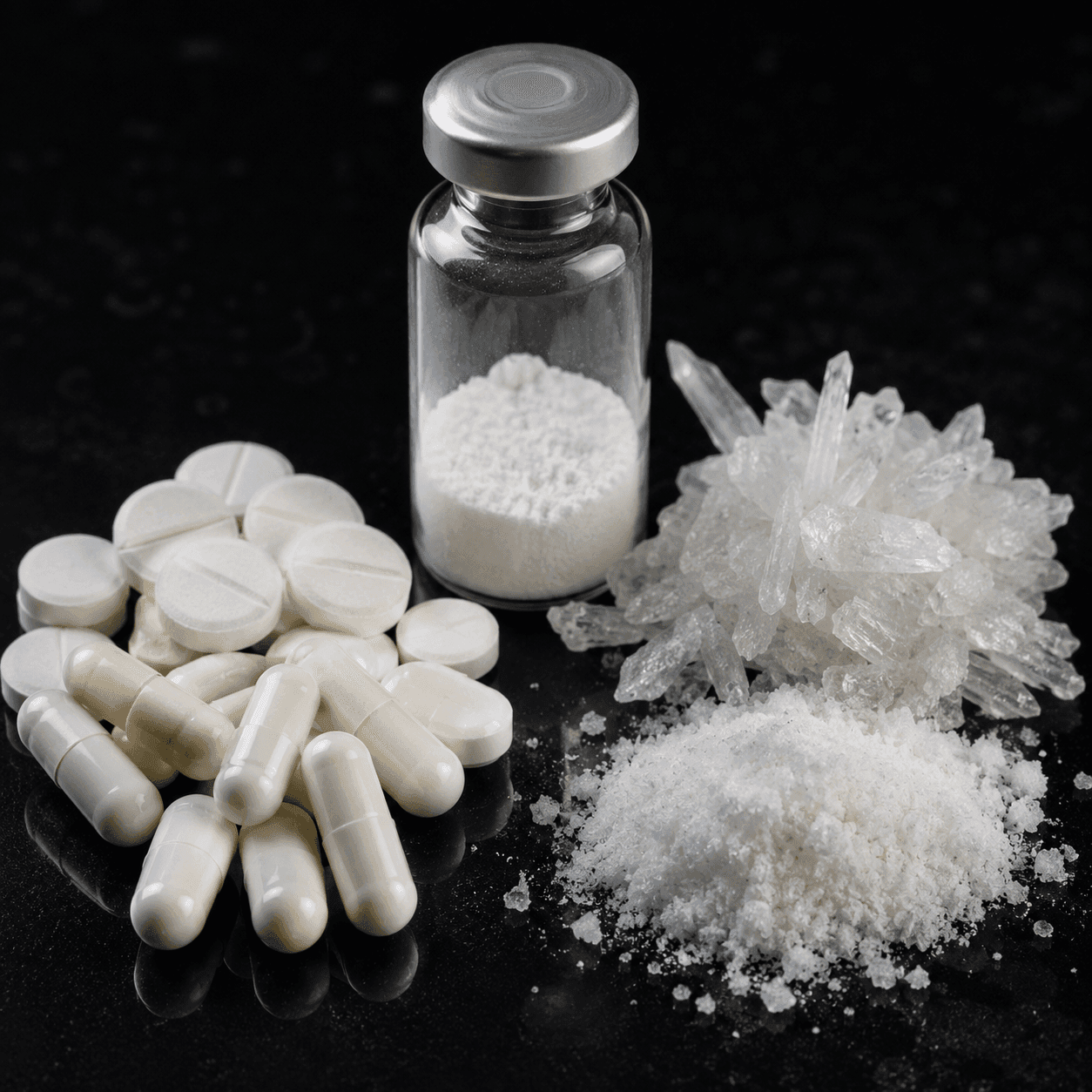
Ketamine
High-risk education profile focused on dissociation, impairment, bladder concerns and depressant interactions.
Dissociation and impairment risk
Legal: Legal context varies
Full educational profiles
Explore each substance profile for complete effects, risk and evidence context.
Share this comparison
Visual educational card for this comparison.
Educational information only. Not medical advice. Effects, risks and responses vary by individual. SubsAtlas does not provide dosing, sourcing, preparation or optimization guidance.