Heroin vs Fentanyl
High-risk education comparison focused on risk awareness, overdose concerns, evidence quality and interaction context.
Educational context
This comparison covers reported effects, risk profiles, evidence quality and interaction concerns. It is not a recommendation, use guide or ranking.
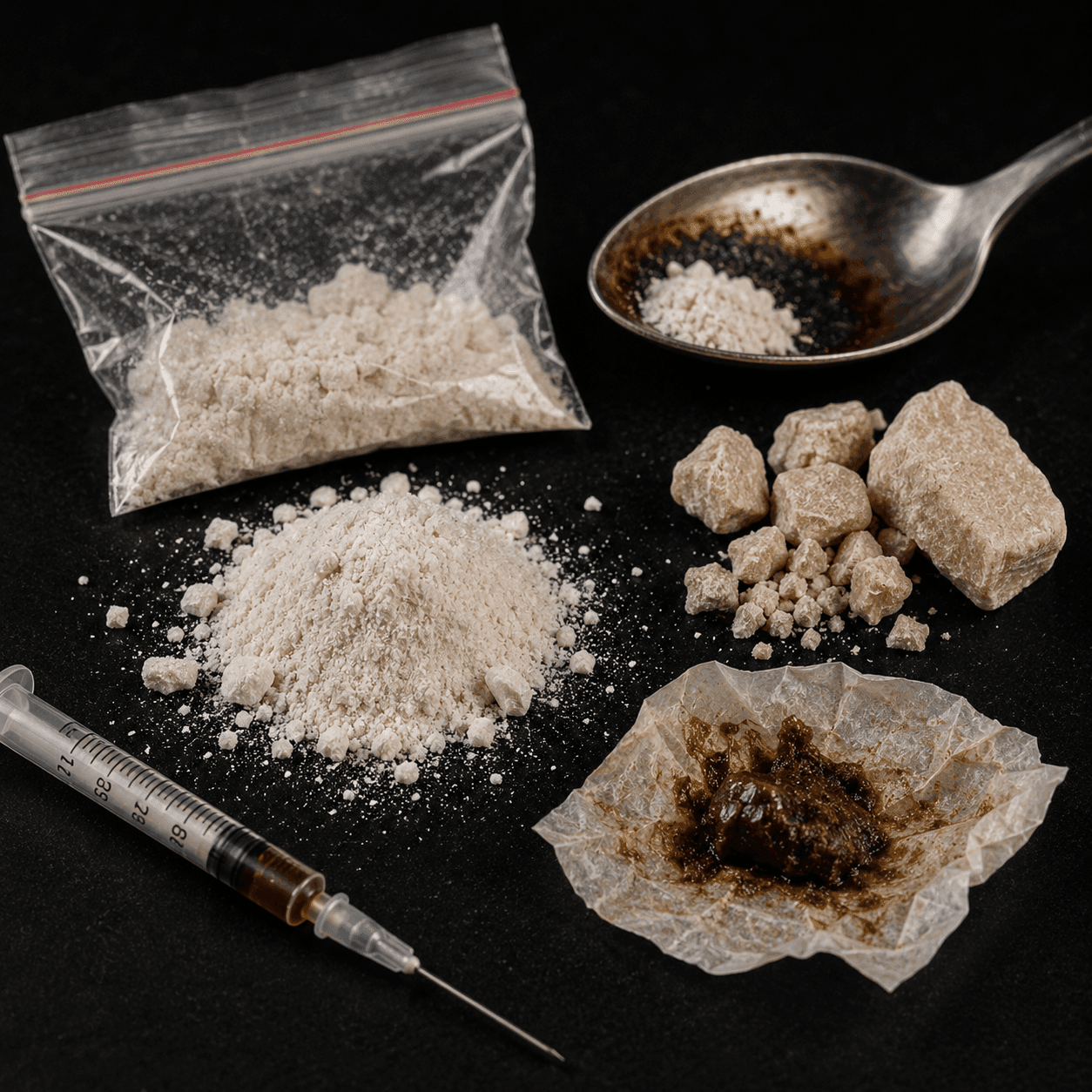
Heroin
Heroin is a prohibited controlled substance in most countries. Some jurisdictions operate supervised or assisted treatment programs under strict clinical frameworks. Non-medical possession and use is illegal in most regions. This profile is for educational context only.
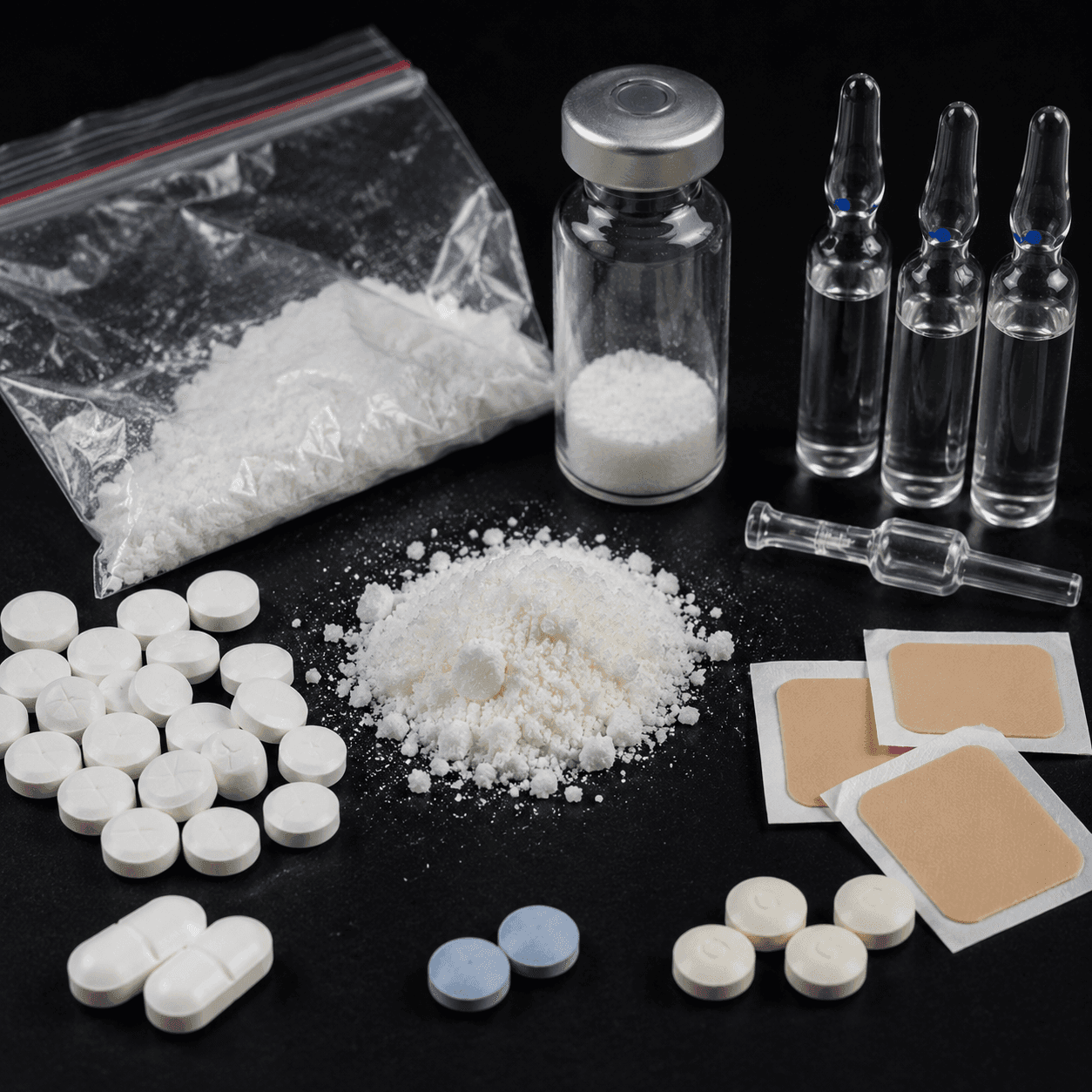
Fentanyl
Fentanyl is a controlled or Schedule I/II substance in most countries, available only under strict medical supervision. Non-medical possession and use is illegal in most jurisdictions. This profile is for educational context only.
Images are educational visuals. Plant and fungi visuals are not identification guidance.
Education profile
High-risk comparison
This comparison includes high-risk profiles. Use this information for risk awareness and educational context only.
SubsAtlas does not rank substances as better, safer or more suitable.
Education profile
Severe interaction concern
This comparison includes substances with serious interaction or overdose concerns. This page does not provide guidance on combined use.
Compared profiles
Educational profiles for Heroin and Fentanyl.
Heroin
High-risk opioid profile focused on overdose, dependence, sedation and depressant interaction concerns.
Key caution
High overdose risk — respiratory depression can be fatal
Fentanyl
High-risk opioid profile focused on extreme overdose risk, respiratory depression and depressant interactions.
Key caution
Extreme overdose risk — respiratory depression can be fatal
Comparison matrix
Side-by-side educational context. Not a recommendation or ranking.
Heroin
High-risk educationFentanyl
High-risk educationAI Context
Educational comparison summary from curated archive data. Not a ranking or recommendation.
Heroin and Fentanyl: comparison overview
This is an educational comparison summary of Heroin and Fentanyl, not a ranking or recommendation. Heroin has a high risk profile with strong evidence quality. Fentanyl has a high risk profile with strong evidence quality. SubsAtlas does not rank substances as better, more suitable or preferable.
- Heroin: High risk, Strong evidence.
- Fentanyl: High risk, Strong evidence.
- Heroin category: High-risk education.
- Fentanyl category: High-risk education.
- Legal context — Heroin: prohibited.
- Legal context — Fentanyl: prescription only.
This comparison includes high-risk education profiles. AI Context does not provide use or combination guidance.
Limitations
- This is an educational comparison, not a ranking or recommendation.
- Neither substance is described as better, safer or more suitable.
- Based on curated SubsAtlas archive data only.
- Not medical advice. Not legal advice. Not a use guide.
- Individual responses vary. Source review is ongoing.
- Do not rely on this for personal decisions.
AI Context summarizes curated SubsAtlas archive data only. Not medical advice. Not legal advice. Not a use guide. No external AI calls are made.
Key differences
Factual educational distinctions between the two profiles.
Fentanyl is a synthetic opioid; heroin is a semi-synthetic opioid derived from morphine.
Fentanyl is substantially more potent per weight than heroin — a difference that creates extreme product quality risk when fentanyl contaminates illicit drug supplies.
Illicit heroin is frequently adulterated with fentanyl or fentanyl analogues, creating unpredictable exposure risk.
Both carry severe dependence profiles with opioid-like physiological withdrawal.
Both are associated with respiratory depression as the primary overdose mechanism.
Fentanyl has legitimate medical applications under controlled conditions; illicit fentanyl is entirely uncontrolled.
Risk context
Both substances carry extreme overdose and dependence risk. Fentanyl contamination of illicit opioid supplies is a primary driver of opioid-related fatalities. Overdose risk is not predictable from product appearance, colour or source. Naloxone (where accessible) is a recognised emergency intervention for opioid overdose — information about naloxone access is available through harm reduction organisations and emergency services. This page does not provide mitigation, optimisation or use guidance.
Evidence context
Pharmaceutical fentanyl has a well-characterised clinical evidence base in controlled medical contexts. Illicit fentanyl and heroin are studied primarily through epidemiological, toxicological and public health research. Evidence from illicit drug markets is complicated by variable product quality and polydrug exposure. Community-reported data carries high uncertainty due to lack of product testing and significant underreporting.
Interaction concerns
Shown for risk awareness only. SubsAtlas does not describe any combination as safe.
Both substances carry severe interaction risk with alcohol, benzodiazepines, other CNS depressants, and other opioids. These combinations significantly increase respiratory depression and overdose risk. This page does not describe any combination as safe or manageable. If someone may be experiencing an overdose, contact emergency services immediately.
Legal context
Legal status varies by country, state and local regulation. This is educational context only — not legal advice.
Heroin
Heroin is prohibited in most countries. Some jurisdictions operate supervised consumption or assisted treatment programs under strict regulatory and clinical frameworks. Non-medical possession and use is illegal in most regions. This profile is for educational context on overdose risk only.
Fentanyl
Fentanyl is a strictly controlled opioid in most countries and used medically only under close clinical supervision. Non-medical possession, distribution or use is illegal in virtually all jurisdictions. Regulatory scheduling varies by region and formulation. This profile is for educational context on overdose risk only. SubsAtlas does not provide legal advice, sourcing or buying guidance.
Legal status varies by jurisdiction and changes over time. Verify current local law through official sources. How legal context works
Related safety topics
Educational context pages relevant to this comparison.
Opioids and depressants
Combining opioids with depressants may increase sedation, breathing-related risks and overdose concerns.
Dependence and withdrawal
Dependence and withdrawal can occur with several substance classes. Stopping abruptly may carry risks for some substances.
Unknown product quality
Unknown contents, contamination, mislabeling and variable potency can increase risk.
When to seek emergency help
General emergency awareness — recognizing signs that require immediate contact with emergency services.
Related profiles
Educational profiles with related risk or effect context.
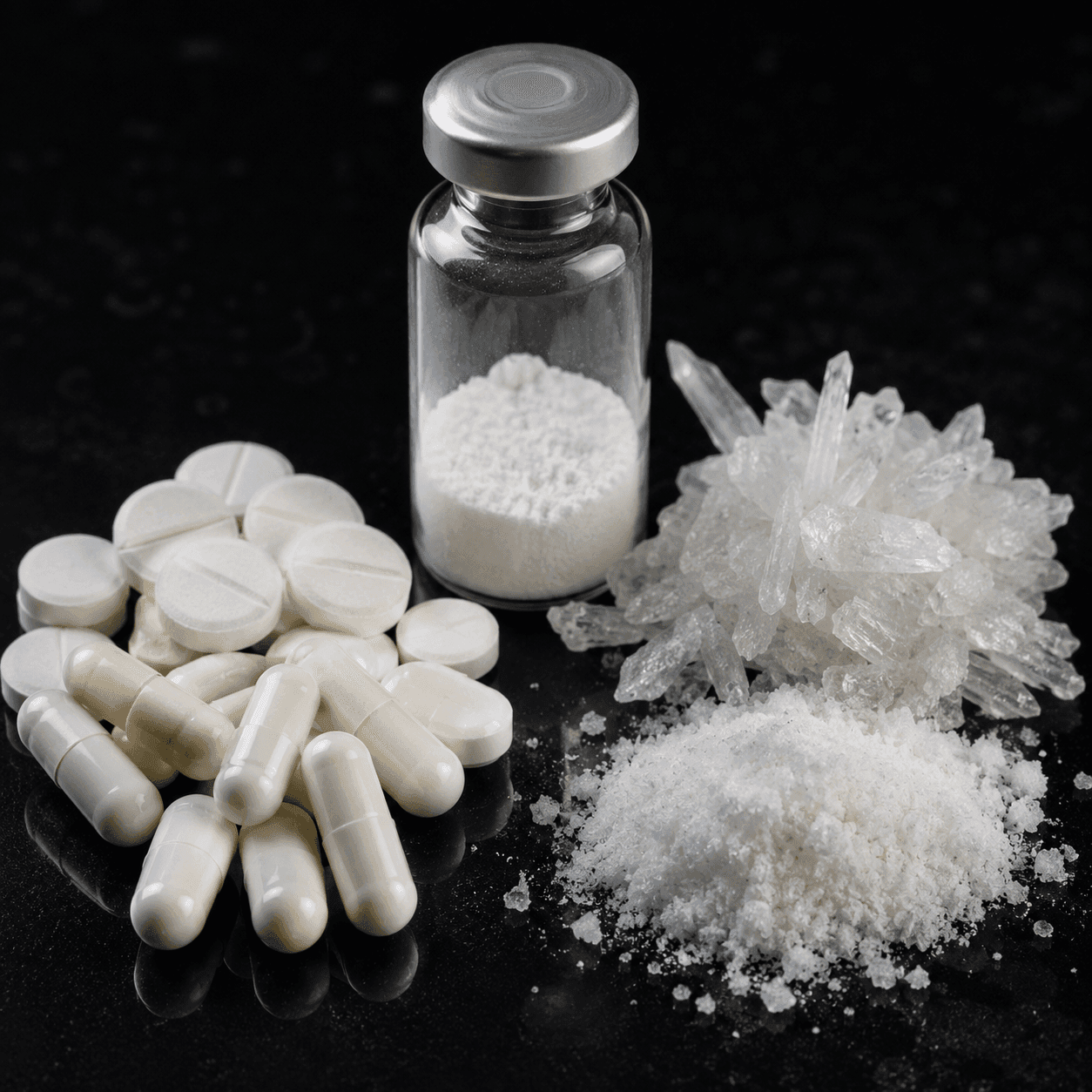
Ketamine
High-risk education profile focused on dissociation, impairment, bladder concerns and depressant interactions.
Dissociation and impairment risk
Legal: Legal context varies

Alcohol
Legal CNS depressant with well-documented impairment, dependence, organ health risks and extensive interaction concerns across many substances and medications.
Impaired judgment and coordination — do not drive or operate machinery
Legal: Legal context varies
Full educational profiles
Explore each substance profile for complete effects, risk and evidence context.
Share this comparison
Visual educational card for this comparison.
Educational information only. Not medical advice. Effects, risks and responses vary by individual. SubsAtlas does not provide dosing, sourcing, preparation or optimization guidance.