Cocaine vs Amphetamine
Educational comparison of stimulant profiles, cardiovascular strain, evidence context and interaction concerns.
Educational context
This comparison covers reported effects, risk profiles, evidence quality and interaction concerns. It is not a recommendation, use guide or ranking.
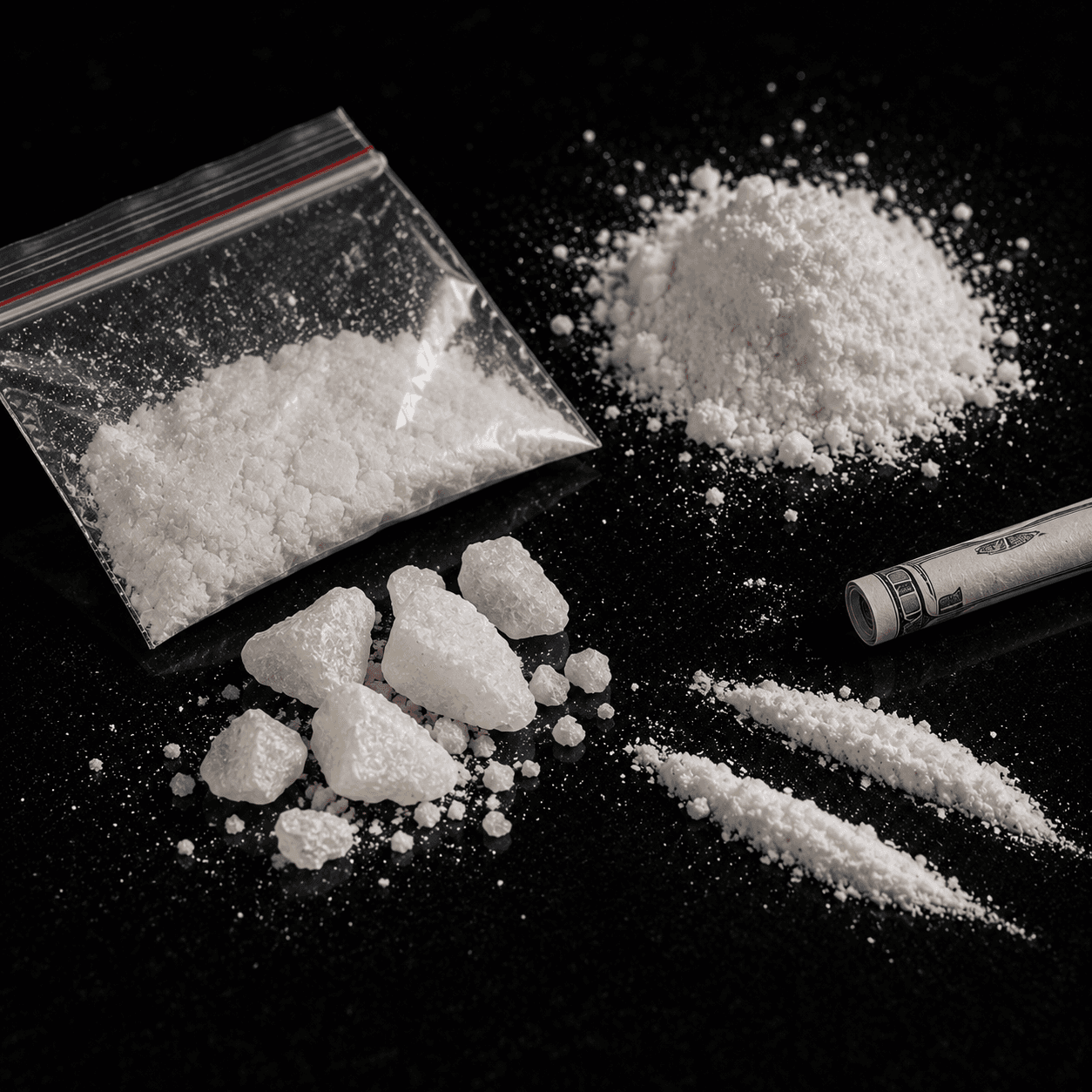
Cocaine
Legal status varies by region. This profile is for educational context only.
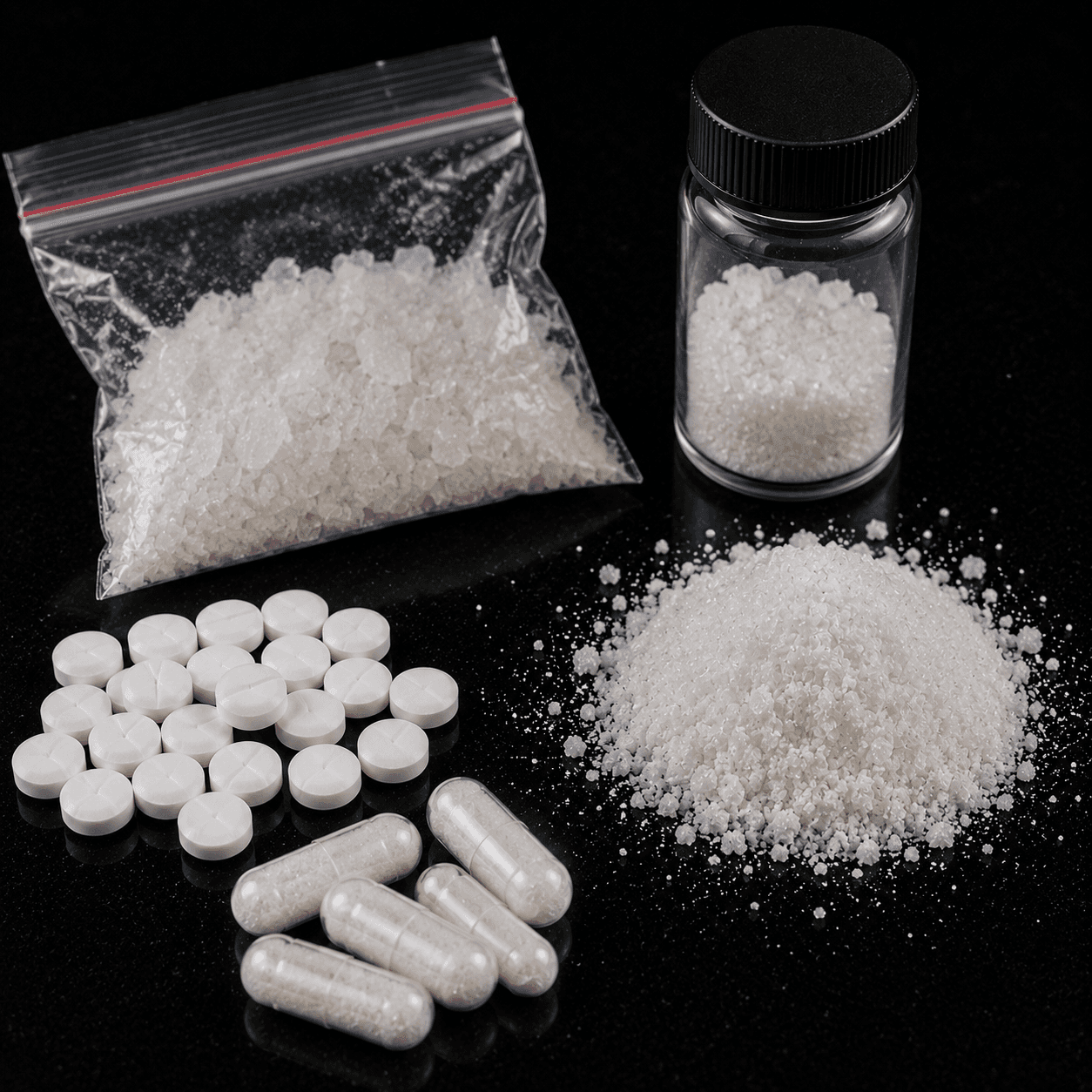
Amphetamine
Legal status varies by region and medical context. This profile is for educational context only.
Images are educational visuals. Plant and fungi visuals are not identification guidance.
Education profile
High-risk comparison
This comparison includes high-risk profiles. Use this information for risk awareness and educational context only.
SubsAtlas does not rank substances as better, safer or more suitable.
Compared profiles
Educational profiles for Cocaine and Amphetamine.
Cocaine
High-risk stimulant profile focused on cardiovascular, mental health, dependence and interaction concerns.
Key caution
High cardiovascular risk
Amphetamine
Elevated-risk stimulant profile focused on cardiovascular, sleep, dependence and mental health concerns.
Key caution
Cardiovascular strain
Comparison matrix
Side-by-side educational context. Not a recommendation or ranking.
Cocaine
High-risk educationAmphetamine
High-risk educationAI Context
Educational comparison summary from curated archive data. Not a ranking or recommendation.
Cocaine and Amphetamine: comparison overview
This is an educational comparison summary of Cocaine and Amphetamine, not a ranking or recommendation. Cocaine has a high risk profile with strong evidence quality. Amphetamine has a elevated risk profile with strong evidence quality. SubsAtlas does not rank substances as better, more suitable or preferable.
- Cocaine: High risk, Strong evidence.
- Amphetamine: Elevated risk, Strong evidence.
- Cocaine category: High-risk education.
- Amphetamine category: High-risk education.
- Legal context — Cocaine: varies by region.
- Legal context — Amphetamine: varies by region.
This comparison includes high-risk education profiles. AI Context does not provide use or combination guidance.
Limitations
- This is an educational comparison, not a ranking or recommendation.
- Neither substance is described as better, safer or more suitable.
- Based on curated SubsAtlas archive data only.
- Not medical advice. Not legal advice. Not a use guide.
- Individual responses vary. Source review is ongoing.
- Do not rely on this for personal decisions.
AI Context summarizes curated SubsAtlas archive data only. Not medical advice. Not legal advice. Not a use guide. No external AI calls are made.
Key differences
Factual educational distinctions between the two profiles.
Cocaine is derived from the coca plant; amphetamine is a synthetic compound.
Cocaine inhibits the reuptake of dopamine, norepinephrine and serotonin; amphetamine primarily increases the release and blocks reuptake of monoamines.
Cocaine has a significantly shorter reported effect duration than amphetamine.
Both carry cardiovascular strain risks including increased heart rate and blood pressure.
Amphetamine has pharmaceutical applications (ADHD treatment) under medical supervision; cocaine has limited medical applications in ENT procedures; illicit forms of both carry significant risk.
Both have documented dependence profiles, with compulsive use patterns reported in both clinical and community data.
Risk context
Both substances carry elevated cardiovascular risk, including concerns for cardiac events in vulnerable individuals. Dependence risk is significant for both. Illicit cocaine and amphetamine carry product quality risks due to adulteration and variable composition. Neither substance is free of serious risk. Stimulant use in combination with other stimulants significantly compounds cardiovascular strain.
Evidence context
Cocaine has a large body of observational and clinical research, primarily from addiction medicine and toxicology. Pharmaceutical amphetamines (as prescribed medications) have an extensive evidence base; illicit amphetamine is studied primarily through epidemiological and pharmacological research. Community-reported data for both carries uncertainty related to product quality and polydrug exposure.
Interaction concerns
Shown for risk awareness only. SubsAtlas does not describe any combination as safe.
Both substances carry serious interaction risks with cardiovascular medications, MAOIs and other stimulants. Combining cocaine or amphetamine with other stimulants or with substances that affect cardiac rhythm carries significant cardiovascular risk. Combination with alcohol or CNS depressants may mask impairment cues without eliminating underlying physiological risk. This page does not describe any combination as safe.
Legal context
Legal status varies by country, state and local regulation. This is educational context only — not legal advice.
Cocaine
Legal status varies by region. This profile is for educational context only.
Amphetamine
Legal status varies by region and medical context. This profile is for educational context only.
Legal status varies by jurisdiction and changes over time. Verify current local law through official sources. How legal context works
Related safety topics
Educational context pages relevant to this comparison.
Stimulants and cardiovascular strain
Stimulants may increase cardiovascular and mental strain, especially with multiple stimulants or underlying risk factors.
Dependence and withdrawal
Dependence and withdrawal can occur with several substance classes. Stopping abruptly may carry risks for some substances.
Unknown product quality
Unknown contents, contamination, mislabeling and variable potency can increase risk.
Related profiles
Educational profiles with related risk or effect context.

MDMA
High-risk education profile focused on overheating, cardiovascular, mood and interaction concerns.
Adulteration risk — substances sold as MDMA frequently contain other compounds including fentanyl
Legal: Restricted / controlled
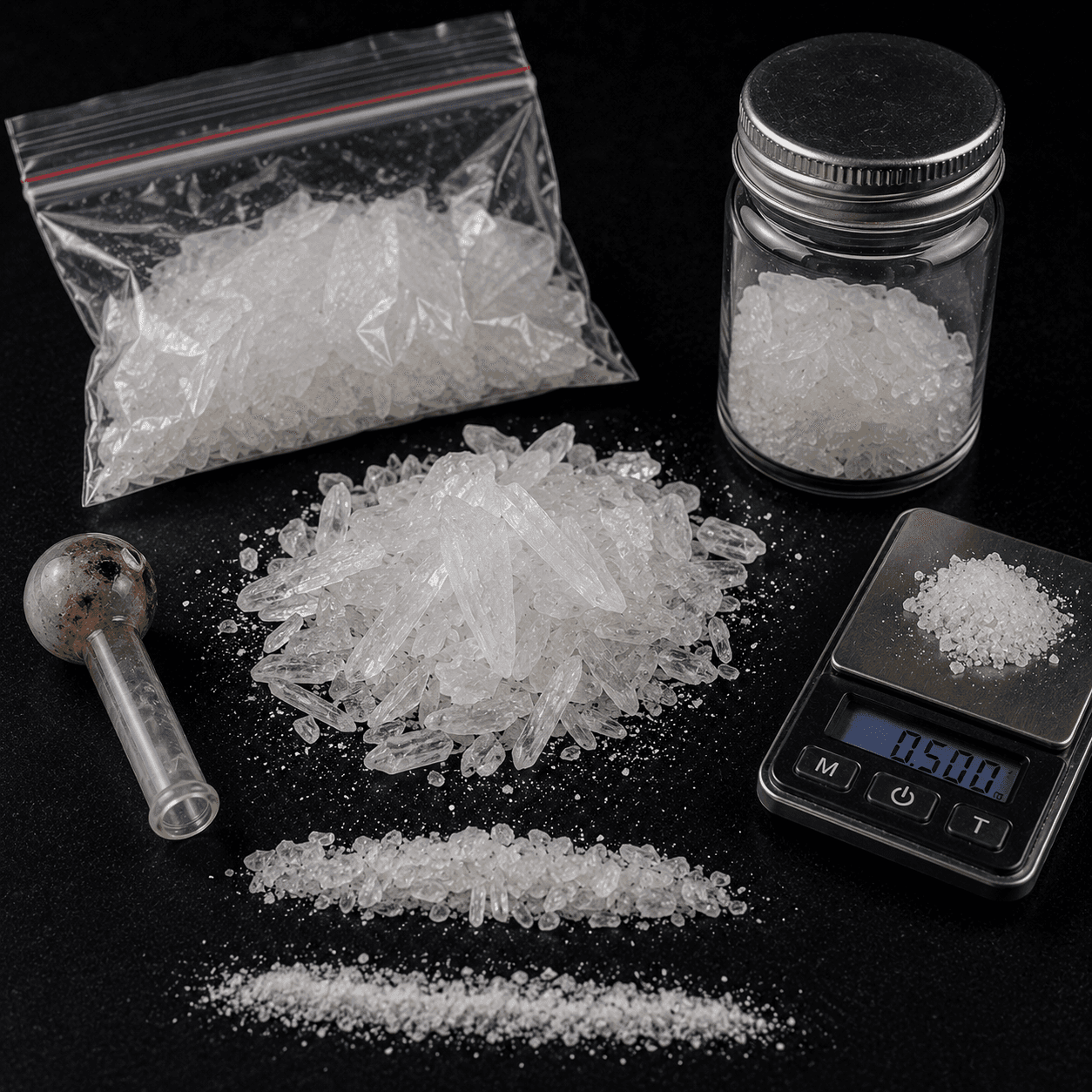
Methamphetamine
High-risk stimulant profile focused on dependence, cardiovascular, neurological and mental health concerns.
High dependence risk
Legal: Legal context varies
Full educational profiles
Explore each substance profile for complete effects, risk and evidence context.
Educational information only. Not medical advice. Effects, risks and responses vary by individual. SubsAtlas does not provide dosing, sourcing, preparation or optimization guidance.